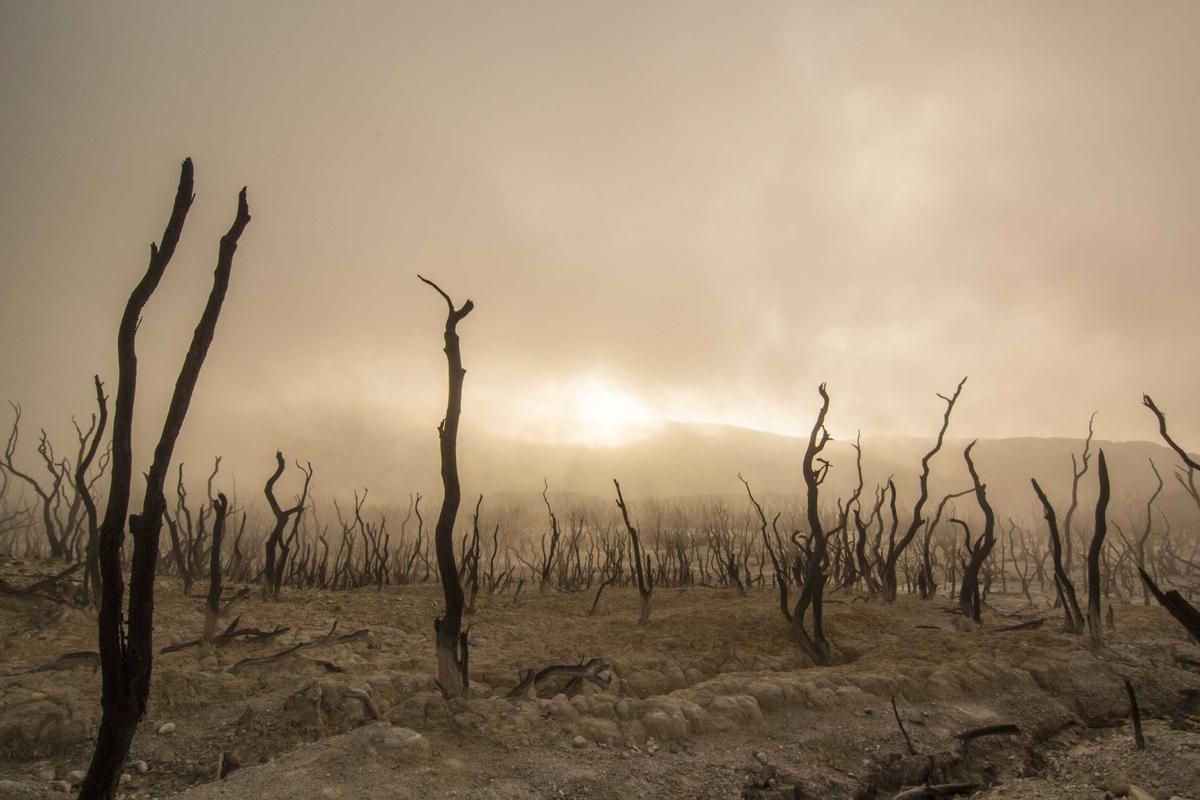
The Pentagon has confirmed a devastating series of precision strikes across 50 Iranian military installations, a move that fundamentally alters the strategic landscape of the Middle East. Satellite imagery released overnight reveals the scale of the devastation: scorched earth, shattered runways, and plumes of smoke still rising from munitions depots. This is not a punitive raid. This is a calculated decapitation of Iran’s force projection capabilities.
From my analysis of the targeting patterns, this was a methodical dismantling of Iran’s anti-access and area denial (A2/AD) architecture. The strikes prioritised ballistic missile launch sites, drone bases, and command-and-control nodes. Notably, the Bushehr air defence sector—long considered a red line—was neutralised in the opening minutes. This tells me the US has compromised Iranian air defence networks, likely through cyber warfare or electronic warfare saturation. The speed and precision suggest months of intelligence preparation, including signals intelligence and human assets on the ground.
The logistical implications are staggering. Iran’s Quds Force and Basij militia rely on these bases for resupply and coordination of proxy operations in Iraq, Syria, and Yemen. With these nodes offline, Tehran’s ability to project power is severely degraded. The strike on Bandar Abbas naval base, for instance, cripples Iran’s ability to threaten shipping in the Strait of Hormuz for at least six months. This is a strategic loss for Iran, one that will force the Supreme Leader to reconsider the utility of asymmetric warfare.
But we must consider the counter-move. Iran will not accept this humiliation without retaliation. The most likely threat vector is a cyber attack on US critical infrastructure or a proxy strike on an American embassy. The US should prepare for Iranian-backed militias to target oil infrastructure in Saudi Arabia or the UAE. The real chess game begins now: can the US maintain the momentum, or will this escalate into a full-scale conflict that neither side can control?
Military readiness is the key variable here. The US has demonstrated a willingness to use overwhelming force, but the sustainability of such operations is questionable. Each Tomahawk missile costs $1.5 million. Each strike fighter sortie requires weeks of maintenance. If Iran responds with a sustained campaign of attrition—mining the Gulf, launching suicide drones at ports—the US logistical tail will stretch thin. This is the classic dilemma of expeditionary warfare: you can win a battle, but can you win the war before domestic political pressure mounts?
Ultimately, this operation is a seismic event in the Middle East. The old rules of engagement are dead. The US has shown it can strike Iran at will, but Iran has shown it can endure. The next 72 hours will determine whether this is a strategic pivot towards deterrence or the opening salvo of a protracted conflict. Watch the cyber domain. Watch the Strait of Hormuz. Watch for proxy attacks in Iraq. The game board has been reset, and the adversaries are already making their next move.