It was a Tuesday like any other in the grey of a London drizzle, until the news alerts began to chime. The headlines screamed of precision strikes, of retaliatory justice. The Pentagon had hit Iran, we were told, in response to the attack on a cargo ship in the Gulf. And our own government, through British intelligence, had given its nod. But what does this mean for the people on the street, the ones whose lives are not shaped by war rooms but by the cost of petrol and the price of a pint?
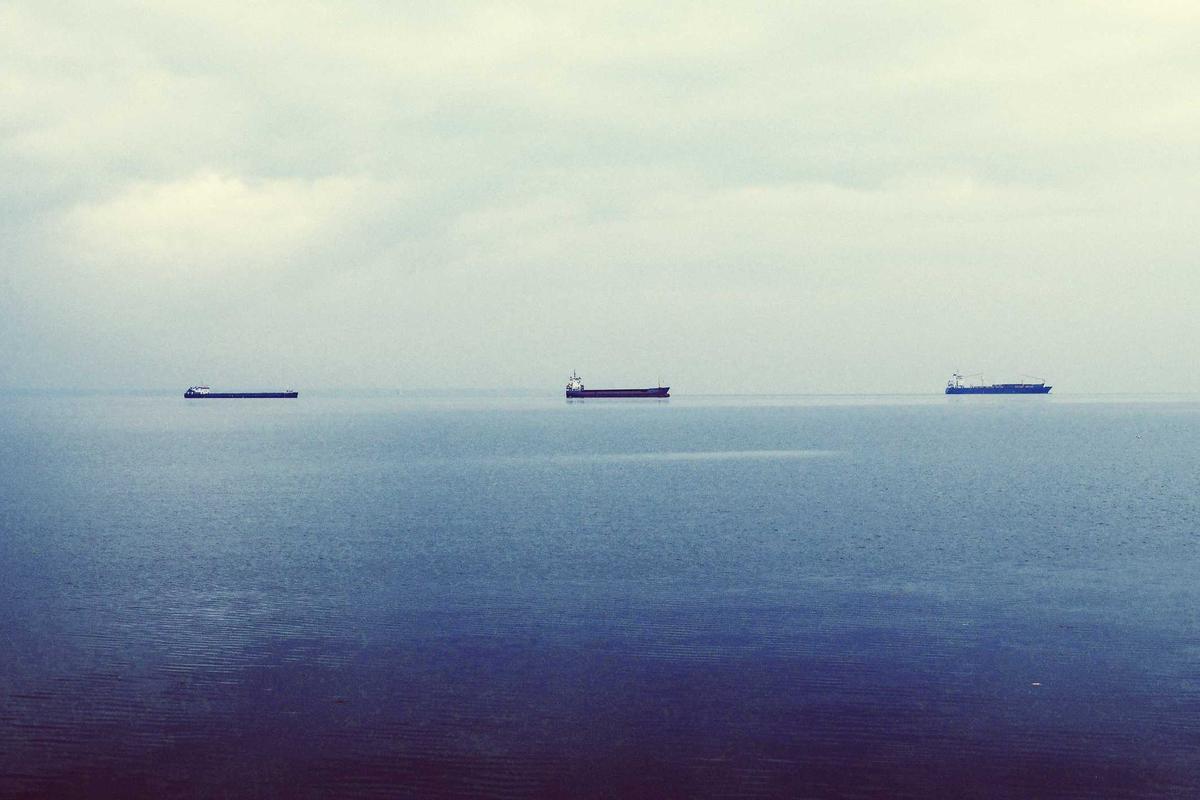
Let us step back from the geopolitical chessboard. The attack on the vessel - a commercial ship going about its anonymous business - was a stark reminder that conflict has a way of finding ordinary people in unexpected places. The crew, a mix of nationalities, now find themselves at the centre of a storm they did not ask for. One can only imagine the families, waiting for news, their worlds reduced to a single, agonising question: are they safe?
And now, the strikes. The Pentagon’s operation, supported by UK intelligence, is presented as a measured, surgical response. But in the narrow alleyways of Tehran, in the bustling bazaars of Isfahan, this will not feel measured. It will feel like the first domino in a cascade of violence that has no clear end. The memory of recent protests in Iran, the quiet resilience of its people, is still fresh. They have already endured so much. Now, the spectre of foreign bombs - even if ‘targeted’ - hangs over their daily lives.
Here at home, the cultural shift is subtler but no less real. There is a particular British anxiety that comes with being a junior partner in an American military action. It is the unease of the small boat tied to a larger vessel, unsure of the direction of the tide. In pubs and on playgrounds, conversations drift to ‘the situation’. Friends who grew up with the shadow of Iraq now see a familiar pattern: intelligence reports, swift strikes, the promise that this is not the start of another war. But experience teaches us that promises, like dominoes, are easily toppled.
The human cost is not only in the Middle East. Here, it is in the families of service personnel, who brace for the possibility of deployment. It is in the communities that already feel the strain of global tensions, where a rise in hate crimes often follows such news. It is in the quiet worry of parents, wondering what kind of world their children will inherit.
This is not about taking sides. It is about recognising that every decision in a distant capital ripples through the lives of real people. The attack on the cargo ship was a crime against commerce and humanity. The Pentagon’s response is a gamble on deterrence. And we, the public, are left to hope that the dice do not come up snake eyes. For now, the drizzle in London continues. But in the hearts of many, a storm is brewing.