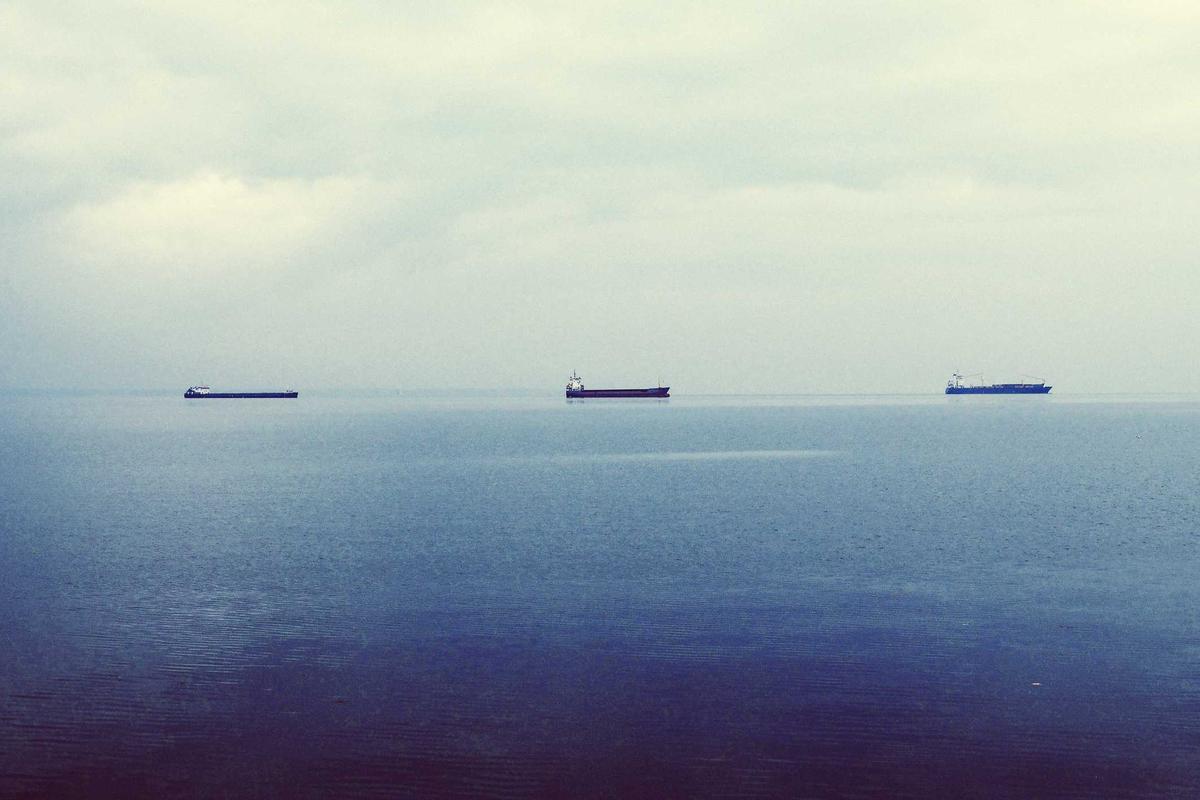
So the first Russian shadow fleet tanker has slithered through the English Channel since the Smyrtos incident. The vessel, a rust-bucket flying a flag of convenience, passed within a stone’s throw of Dover’s white cliffs, and what did Her Majesty’s government do? Wring their hands, issue a sternly worded statement, and compile a list of new sanctions that will achieve precisely nothing.
Let us be clear: this is not a maritime incident. It is a geopolitical test. The Kremlin is probing the resolve of a post-Brexit Britain that has spent the last decade dismantling its naval capacity and outsourcing its security to a distracted American uncle. The shadow fleet, those anonymous tankers that move Russian oil under the nose of the G7 price cap, is the modern equivalent of the Carthaginian quinquereme sneaking past the Roman fleet. And we, my dear readers, are playing the role of the complacent senators in their togas, debating the finer points of protocol while the enemy advances.
The Smyrtos boarding was a splash of realpolitik in a tepid sea of bureaucratic gesture. The Royal Navy should have made an example of this tanker, should have boarded it, inspected it, and if necessary, impounded it. Instead, we allowed it to pass, a silent admission that our threats are hollow. Compare this to the Victorian era: when Palmerston sent the Channel Fleet to discourage the French, or when Nelson’s ghost haunted Napoleon’s dreams. Today, we have a navy that struggles to keep its own ships seaworthy.
The intellectual decadence is manifest. Our elites cannot conceive of a world where a tanker is a weapon, where oil is a shield, where the rule of law is enforced at gunpoint. They imagine the world is a seminar where persuasion and goodwill win the day. But history, from the Peloponnesian War to the collapse of the Soviet Union, teaches us that power is the only currency that matters.
Russia smiles. They see our reluctance to act as confirmation that the West is exhausted, morally flabby, and divided. Every shadow fleet tanker that transits our waters unchallenged is a small victory for them, a chip off the marble of international order. We are not defending our maritime sovereignty; we are renting it out to the highest bidder.
The lesson is as old as Thucydides: the strong do what they can, the weak suffer what they must. We are not strong. We are rich in rhetoric, poor in resolve. The tanker has passed. But the shadow it casts will linger over a nation that has forgotten what it means to be feared.