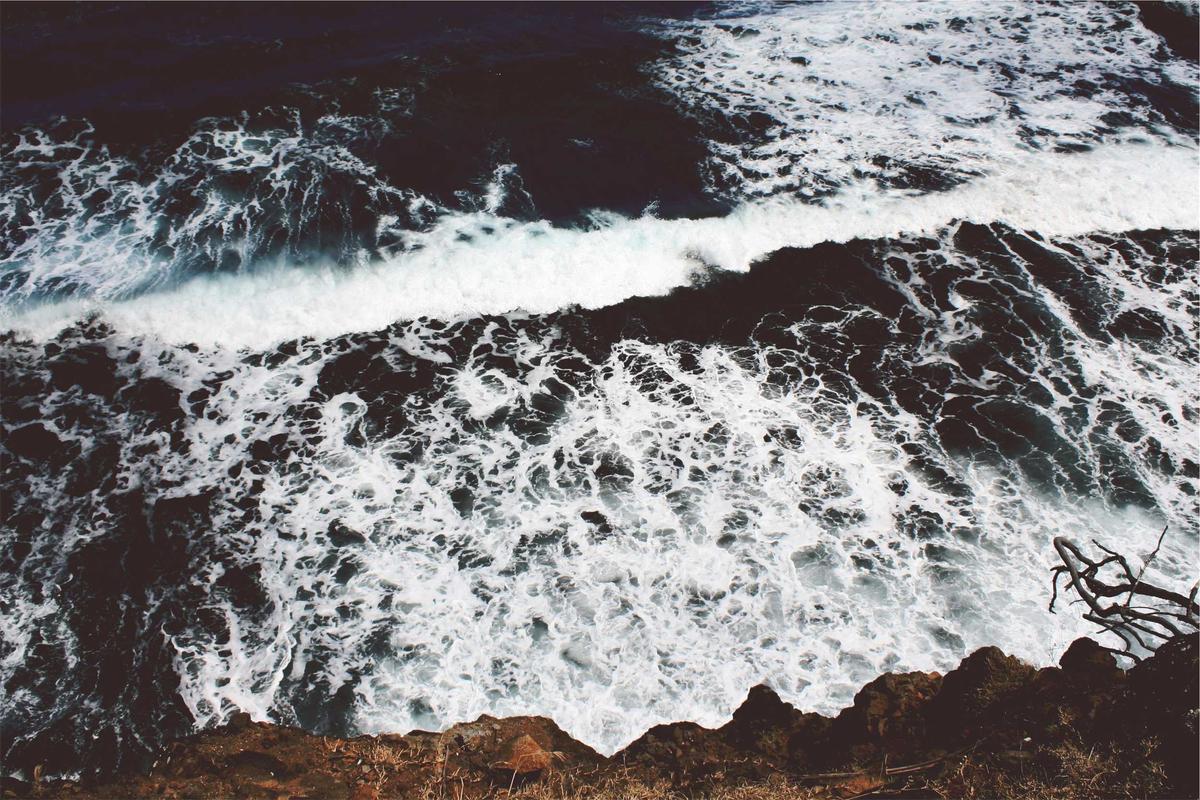
The headlines blare, as they always do, with a mixture of horror and moralising: a woman, seriously injured by a shark off a Sydney beach. British tourists are warned, as though the British tourist is a particularly vulnerable species, a sort of homo sapiens touristus who requires constant shielding from the brutalities of the natural world. But is this not simply the latest installment in a very old story? We have grown so accustomed to our sanitised, climate-controlled lives that we forget: the ocean is not a swimming pool. It is a wilderness, and wilderness occasionally bites back.
We are repeatedly told that shark attacks are statistically rare. This is true. But rarity is not the same as impossibility. The fact that we are surprised, that we demand warnings and recriminations and perhaps even the culling of the offending predator, reveals a peculiar intellectual decadence. We have come to believe that the world exists to serve our pleasure, that every beach should be a safe space, that any deviation from this expectation is a failure of governance.
The Victorians, for all their prudery and hypocrisy, understood risk. They knew that to venture into the Empire, to sail the seas, to explore the unknown, was to court death. They accepted it. They did not expect the Foreign Office to issue colour-coded advisories for every submerged rock. And the Romans? They built baths, but they did not pretend the sea was tame. They knew Neptune was a capricious god.
This particular attack, gruesome as it is, will likely spark the usual cycle: outrage, calls for nets or drones, a brief flurry of fear, and then collective amnesia. The beach will reopen. Tourists will return. Because the alternative, to acknowledge that the ocean is a realm beyond our control, is too terrifying for the modern psyche. We prefer the illusion of mastery.
I do not write this to minimise the suffering of the injured woman. She has my deepest sympathy. But I write to challenge the reflexive demand that the state, or the ecosystem, should guarantee our safety. The shark was doing what sharks do. The tragedy is that we have forgotten how to live with such dangers, how to respect them without demanding their elimination. That is the real attack: on our own resilience. And that wound is far deeper than any tooth could make.