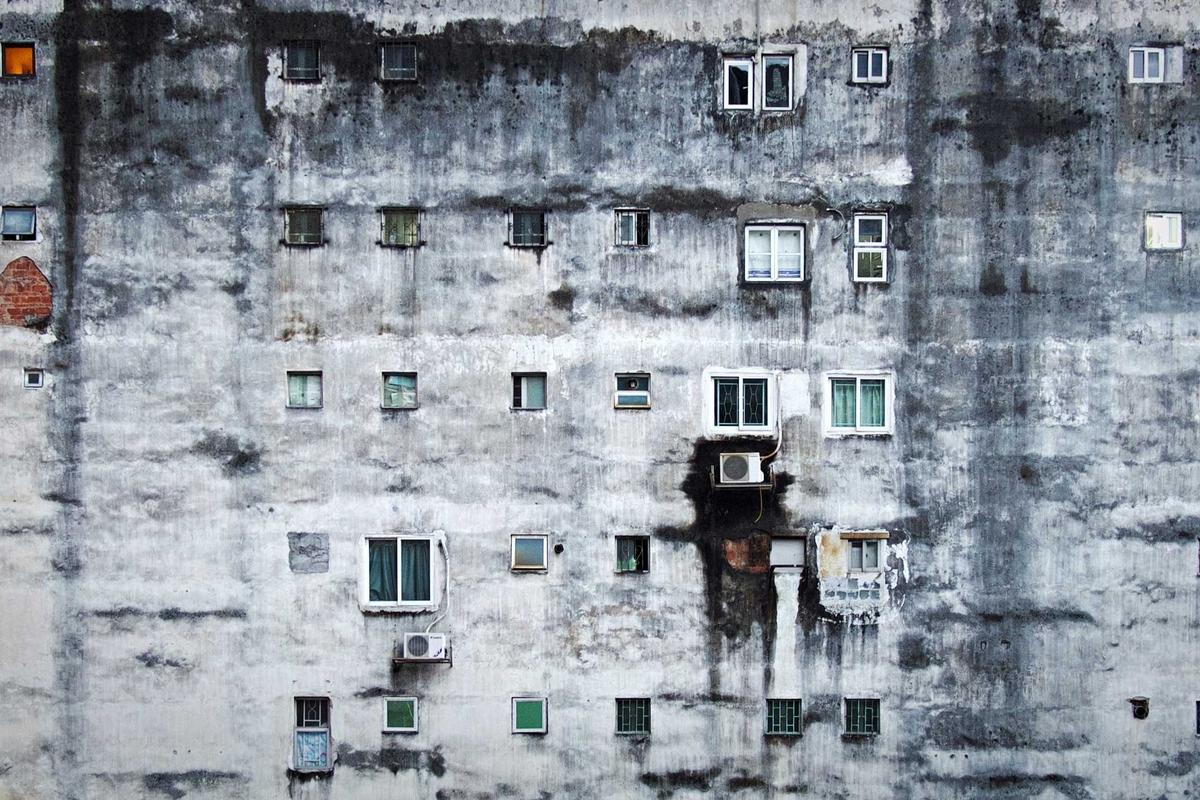
Paris, 35 degrees Celsius in the shade. The city simmers. Yet in the marble halls of the 16th arrondissement, a low hum persists: the quiet defiance of air conditioning. As heatwaves intensify across Europe, France is confronting a crisis of thermal inequality that pits the affluent against the vulnerable in a battle over resources, identity, and survival.
Air conditioning, once a rare luxury in temperate France, is now proliferating. Sales of mobile units surged 37% last year. But this technological fix is deepening existing divides. The wealthy seal themselves in cooled bubbles while those without access suffer through lethal nights. The French Health Ministry reported 1,500 excess deaths during last summer's heatwave. Most were elderly or low-income.
This is not merely a comfort issue. In a warming world, cooling is becoming a prerequisite for safety. For the elderly, heatstroke is a silent killer. For children, heat impairs cognitive development. For the chronically ill, it exacerbates every condition. To lack cooling in a heatwave is to be exposed to a physical assault. And yet, air conditioning itself contributes to the very crisis it seeks to mitigate. Cooling systems consume massive amounts of energy, often from fossil fuels, and leak potent greenhouse gases. A paradoxical feedback loop emerges: the more we cool, the more we heat.
In France, the debate has taken on a class dimension. President Macron's government has proposed subsidies for efficient cooling, but critics argue this rewards the already comfortable. Green parties advocate for urban shading, reflective roofs, and tree planting: passive solutions that require collective action rather than private consumption. But such measures take time, and time is what we lack. The Paris heatwave of 2003 killed 15,000 people. Since then, temperatures have risen another 1.5 degrees. The urgency is palpable.
Data from the French Energy Agency shows that air conditioning accounts for just 5% of residential electricity use, but that figure is climbing. As the planet warms, demand will surge. The International Energy Agency projects that global energy demand for cooling will triple by 2050. In France, this means more strain on an already fragile grid. The country prides itself on its nuclear fleet, but reactors are ageing and susceptible to drought. During last year's heatwave, several plants had to reduce output due to low river levels for cooling. The irony is biting.
Biosphere collapse compounds the problem. Urban heat islands, where concrete and asphalt trap heat, can amplify temperatures by 6 degrees. Cities like Lyon and Marseille are planting trees, but mature canopies take decades to grow. Meanwhile, the wealthy install their units. The result is a landscape of thermal apartheid.
Yet there are signs of change. The city of Paris has launched a plan to cool public spaces with misting stations and water features. But these are stopgaps. The real solution lies in systemic transformation: retrofitting buildings, shifting to renewable energy, and fundamentally rethinking urban design. We must move from technological band-aids to structural resilience.
The French class war over air conditioning is a microcosm of the global struggle. We are collectively refusing to face the physical reality of a warming world. The wealthy can buy temporary comfort, but not escape. The climate does not care for bank accounts or postcodes. It will enforce its physics on everyone. The only way to truly cool is to decarbonise. That is the message I return to again and again, data in hand. We have the tools. We lack the collective will.
As I write this, the thermometer outside my window reads 37 degrees. I have no air conditioning. It is a choice, but not one available to everyone. That is the heart of the matter. The front line of climate chaos is not in the Amazon or the Arctic. It is in your living room. And it is drawn along lines of wealth. We must face this truth before the heat becomes unbearable.