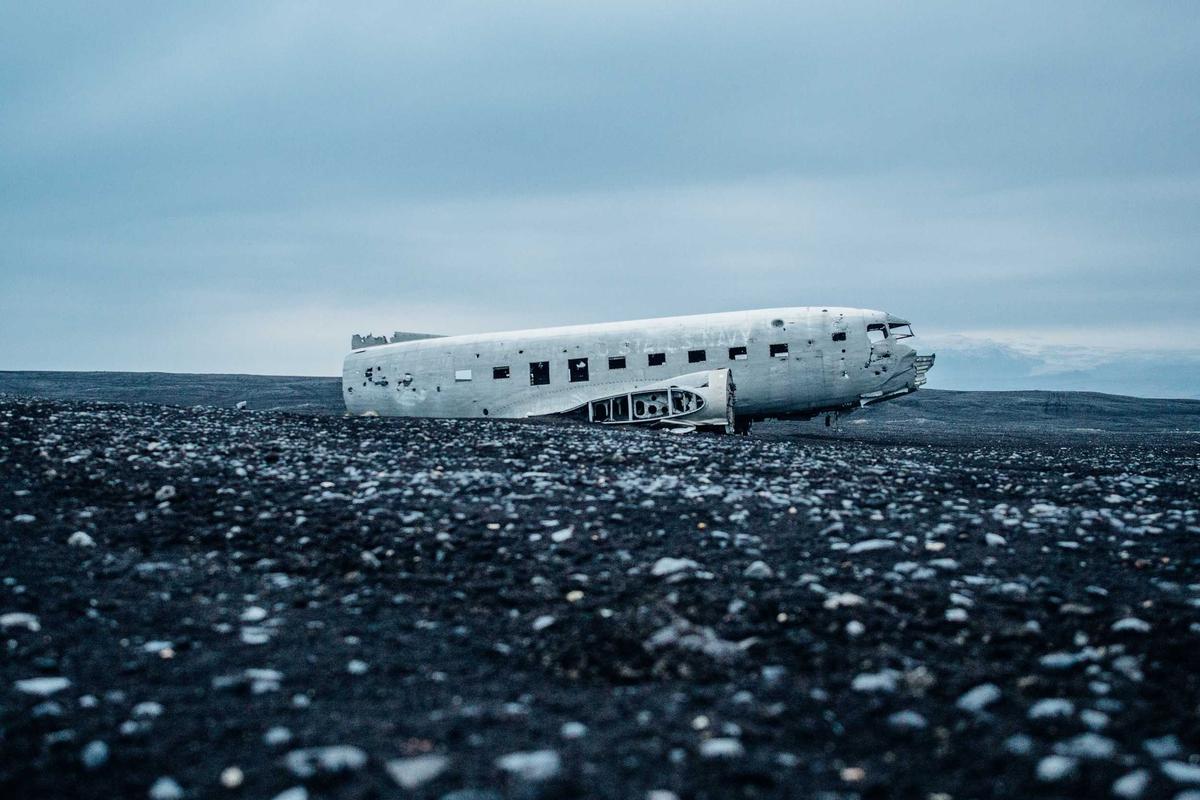
The United States Air Force is reeling after a B-52 Stratofortress crashed during a training sortie over North Dakota, killing all eight crew members. The incident, which occurred at 0230 local time, has sent shockwaves through the defence community. Initial reports suggest a catastrophic mechanical failure, possibly linked to the aircraft’s ageing airframe or a maintenance oversight.
The B-52, a Cold War relic still in service despite its 1960s design, represents a critical component of America’s nuclear triad. This crash exposes a deeper threat vector: the systemic erosion of military readiness through underfunding and overextension. Every loss of a strategic bomber is not just a tragedy but a strategic pivot point for adversaries like Russia and China, who now see a chink in the armour of US power projection.
The immediate operational impact is significant: the loss of one of 76 operational B-52s, combined with the grounding of the remaining fleet pending investigation, reduces America’s strategic bomber capability by nearly 1.5%. This is a logistics failure of the highest order.
The Air Force must now answer uncomfortable questions about maintenance protocols and crew training. Was this a preventable incident? Our sources indicate that the aircraft, tail number 61-0039, had a history of hydraulic issues.
If true, this is a damning indictment of oversight. The crash also reignites debate over the B-52’s retirement timeline. Could an accelerated transition to the B-21 Raider have prevented this?
Possibly. But the reality is that the US military is caught between fiscal constraints and a growing threat environment. This crash is a stark reminder that hardware, logistics, and intelligence failures are the real battlegrounds of modern warfare.
Our thoughts are with the families of the fallen, but our focus must remain on the systemic weaknesses that allow such tragedies to occur.