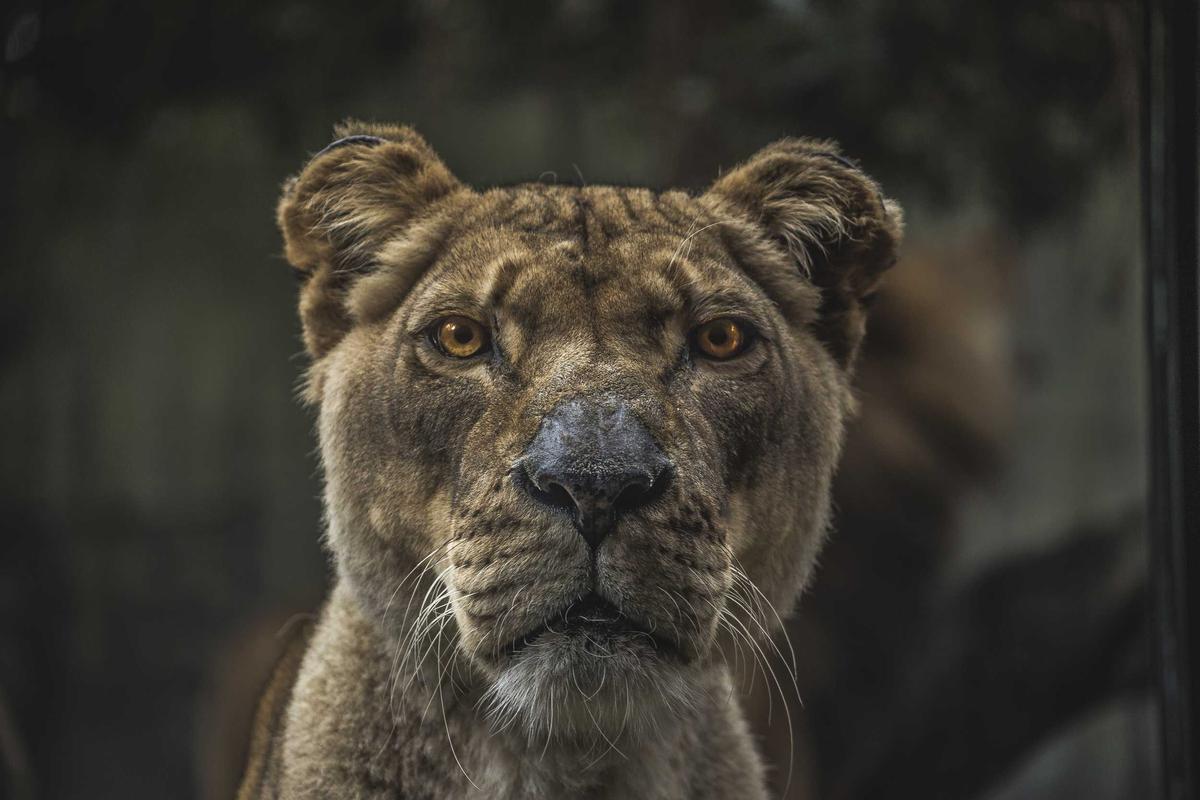
The financial world is accustomed to bears. We analyse their cycles, profit from their retreats, and hedge against their advances. But the creature currently terrorising the Japanese countryside is a different beast entirely. Reports from Hokkaido describe an 'extremely intelligent' brown bear that has outwitted hunting parties, evaded traps, and even learned to open car doors. As a Chief Financial Editor who has spent two decades parsing market volatility, I find this narrative deeply unsettling, not for the immediate risk to human life, but for what it signals about risk assessment and the limits of human control.
Let us consider the facts. This is not a routine wildlife incursion. This bear has demonstrated a capacity for learning and adaptation that challenges our fundamental assumptions about animal behaviour. It has been observed casing properties, testing security measures, and retreating only when the risk-reward ratio turned unfavourable. It understands concepts like 'danger' and 'opportunity' in a way that suggests a sophisticated cost-benefit analysis. British wildlife experts, called in as consultants, have recommended containment rather than termination. They argue that killing this bear would be a short-term fix, ignoring the systemic issue that created it: a breakdown in the traditional boundaries between human settlements and the wilderness.
As an analyst, I see parallels with the 2008 financial crisis. We had 'black swan' events: unpredictable, high-impact occurrences that were dismissed as outliers until they brought down the entire system. This bear is a black swan with claws. It represents the unpredictable variable that our models cannot capture. Our central banks spend billions attempting to tame inflation, but a single rogue bear exposes the fragility of our assumptions. The market's response has been muted so far, but I detect unease. Japanese government bonds have seen a slight uptick in volatility. Gilt yields in London are correlated with global risk sentiment, and any event that forces a reassessment of risk in a G7 economy will have consequences.
The containment strategy is fiscally prudent, but it raises questions about long-term liabilities. If this bear is merely relocated, where does the problem go? It could become another jurisdiction's liability, much like the toxic assets we bundled and sold before 2008. The transparency of the operation is lacking. We need to see the numbers: the cost of the containment operation, the insurance payouts for damages, the potential impact on tourism in Hokkaido. These are not abstract concerns. They represent real economic flows that will eventually feed into inflation data and monetary policy decisions.
Moreover, the symbolism is dangerous. A bear that cannot be caught is a metaphor for unmanaged risk. It feeds the narrative that 'the system' is no longer in control. Populists, on both the left and right, will use this to argue for more aggressive intervention, whether through state-funded culls or expanded animal control agencies. This will mean higher taxes, more government spending, and ultimately, higher bond yields. We have seen this play before with the avian flu panics. The market eventually priced them in, but not before several sharp corrections.
I do not suggest that we panic. But I do recommend that our readers review their exposure to Japanese equities and consider hedging strategies. The yen has been under pressure, and this event could exacerbate capital flight if authorities appear indecisive. The 'extremely intelligent bear' is a microcosm of the 21st century risk landscape: complex, adaptive, and resistant to traditional control measures. We can no longer rely on simple solutions. We must build robust, flexible systems that can absorb shocks without collapsing.
In the meantime, I will be watching the news wires with more than usual interest. A bear that can open a car door may soon learn to read a balance sheet. If it does, heaven help the markets.