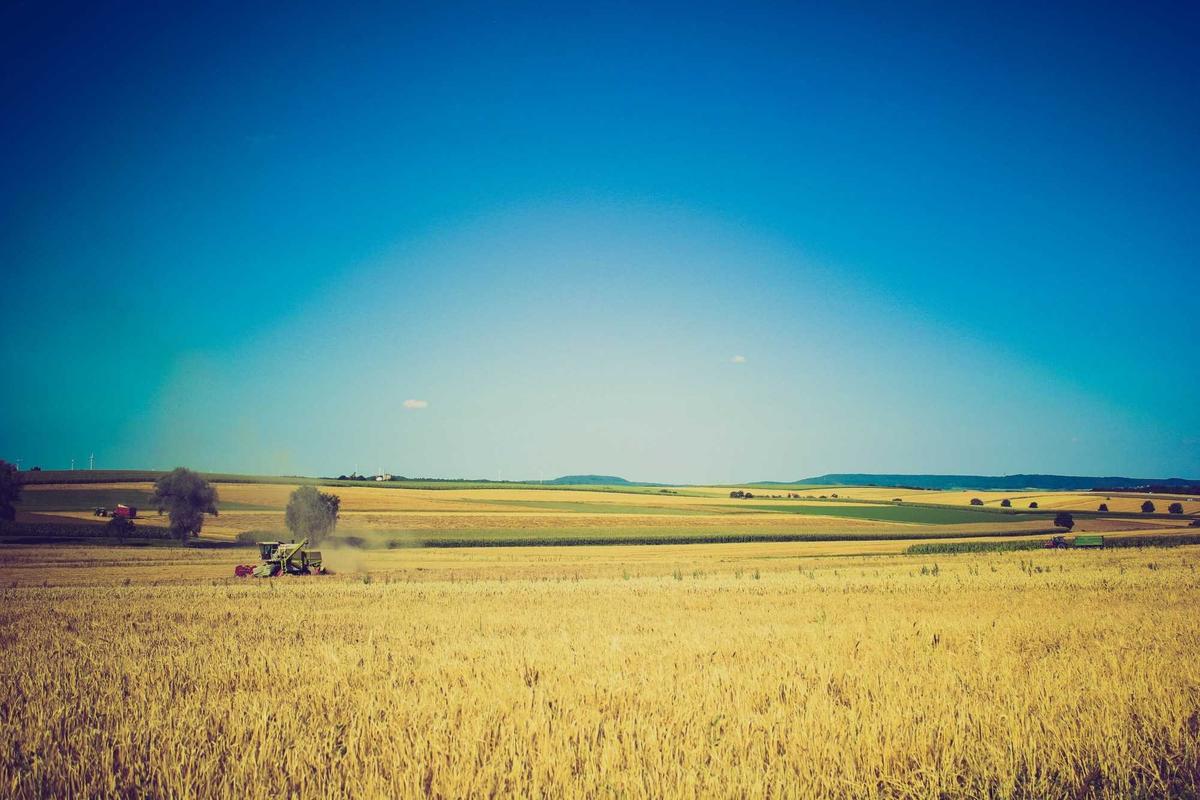
Bread prices are rising again. Not just here, but across the globe. And while the news bulletins this morning lead with the US escalating strikes on Iranian missile sites, for families in Rotherham, Middlesbrough, and Newcastle, the real story is the squeeze on the weekly shop.
Let’s be clear about what this latest escalation means. The United States has launched fresh attacks on Iranian military positions, a move that White House officials describe as a response to provocation. Britain, meanwhile, is urging restraint. The Foreign Office has called for de-escalation, a phrase that feels hollow when the bombs are already falling.
But step away from the diplomatic cables and look at the kitchen table. Iran sits on some of the world’s largest oil reserves. Every spike in tension sends energy markets into a frenzy. The price of crude oil has already jumped 6 per cent in the last 48 hours. That will hit petrol pumps within a fortnight. It will hit heating oil bills this winter. And it will hit the cost of transporting everything from milk to tinned tomatoes.
I’ve been speaking to warehouse workers in the North West this week. Their biggest fear isn’t geopolitics; it’s whether their wages will keep pace with inflation. One forklift driver, a father of two, told me: “My boss says I’m getting a 4 per cent raise. But my energy bill is up 30 per cent. My rent is up. And now this?” He pointed at the news on his phone. “This is going to make everything worse.”
The unions are watching closely. The TUC has already warned that workers cannot be expected to shoulder the burden of a conflict they had no say in. “Working people pay the price for wars they didn’t start,” said a regional secretary I spoke to last night. “If fuel and food prices surge again, we’ll see strikes. Not because workers are militant, but because they can’t afford to live.”
And that’s the real disconnect. In Whitehall and Washington, the talk is of strategic interests and proportional responses. On the shop floor in Halifax or the high street in Preston, the talk is of bills and whether there’s enough left at the end of the month. The government’s own data shows that real wages have barely recovered from the cost-of-living crisis. A new shock could push thousands more families into debt.
The irony is that Britain’s diplomatic pleas for restraint are rooted in economic self-interest as much as moral concern. The Treasury knows that a sustained conflict in the Middle East will mean higher borrowing costs, a weaker pound, and lower growth. The Chancellor is already fretting over the autumn budget. Every barrel of oil that rises in price is a headache for the exchequer.
Yet the voices of workers are rarely heard in these debates. There is no seat at the table for the checkout operator or the lorry driver when the National Security Council meets. Their interests are reduced to a line in a Treasury model. But they are the ones who will feel the pinch first and hardest.
So as the bombs fall and the diplomats wring their hands, remember this: the real cost of war is not measured in missiles or diplomatic demarches. It is measured in the price of a loaf of bread, the fear of a redundancy notice, and the quiet desperation of a family choosing between heating and eating. That is the economy that matters. And it is the one we must never lose sight of.







