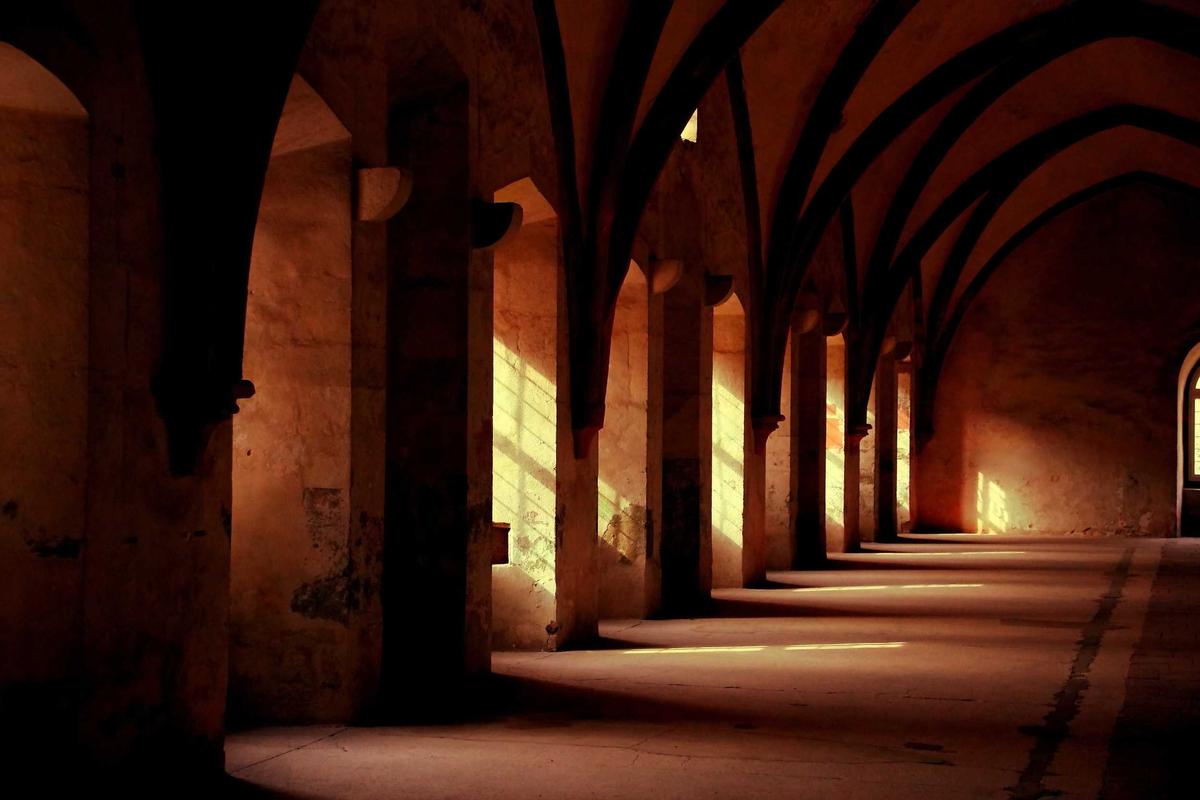
A plan to demolish a vast Nazi-era bunker in central Berlin has ignited a fierce political battle. The structure, a relic of Hitler's regime, stands as a grim reminder of the past. But some say it's time to tear it down.
The bunker is a concrete monolith. It sits near the heart of the city. For decades, it has been a tourist draw. History buffs and anti-fascist activists alike visit. But now, the local government wants it gone.
'The absolute madness,' says a Green party source. 'We can't erase history. We must learn from it.'
But the centre-right CDU is pushing for demolition. 'It's a magnet for neo-Nazis,' a party insider tells me. 'Every year, they gather here. It's a stain on our city.'
Polls show the public is split. Forty-eight percent want demolition. Forty-two percent want preservation. The rest are undecided.
The bunker was built in 1942. It was used as an anti-aircraft tower. After the war, it became a storage facility. In the 1990s, it was turned into a nightclub. That closed in 2015. Now, it stands empty.
'The problem is cost,' says a finance ministry official. 'Demolition will be expensive. Millions of euros. And there's no clear plan for the site.'
The debate has reached the Bundestag. MPs are arguing. The far-right AfD is calling for preservation. 'It's our heritage,' an AfD spokesman said. Leftists are calling for demolition. 'It's a symbol of fascism,' says a Die Linke MP.
The decision will come down to the mayor. He is from the SPD. He is caught in the middle. He wants to consult historians. He wants to hear from the public.
'This is a fraught decision,' a senior SPD source tells me. 'Whatever he decides, he'll anger half the city.'
The bunker's fate is a microcosm of Germany's struggle with its Nazi past. For decades, the country tried to forget. Now, it is grappling with how to remember.
'I worry about the precedent,' says a historian at the Free University. 'If we tear down this bunker, what's next? Do we demolish all Nazi-era buildings? Where does it stop?'
But others say it's time to move on. 'We can't keep living in the shadow of Hitler,' says a demolition advocate. 'Let's build something new. Something hopeful.'
The mayor will announce his decision next month. The city is holding its breath. This is a battle over memory. Over identity. Over what kind of city Berlin wants to be.
Inside the lobby, the talk is of factions. The CDU has a majority on the city council. But the Greens are blocking the demolition. They want a memorial instead. The SPD is trying to broker a compromise.
'The mayor is in a tight spot,' says a political insider. 'He can't please everyone. He needs to find a third way.'
One idea is to preserve the bunker but cover it with artwork. Turn it into a monument against war. But that idea is also controversial. Some say it would trivialise the Nazi era.
Another idea: turn it into a museum. Document the horrors of the regime. But that would cost even more money.
The clock is ticking. The bunker is deteriorating. It needs urgent repairs. If nothing is done, it might collapse.
'This is a defining moment for Berlin,' says a Green source. 'We are deciding what we stand for.'
I'll be watching this one closely. The power dynamics are shifting. The factions are forming. This is a story about more than just a bunker. It's about how a city confronts its darkest hour.
More to follow.