A lethal strain of avian influenza has swept through a remote Australian seal colony, leaving a trail of ecological devastation in its wake. Preliminary reports indicate that more than three-quarters of the seal pups born this season have perished, a collapse that has scientists scrambling to understand the implications for both marine and human health. The outbreak, confirmed by the Australian Department of Agriculture, Fisheries and Forestry, marks one of the most severe cross-species transmissions of the H5N1 virus ever recorded in the Southern Hemisphere.
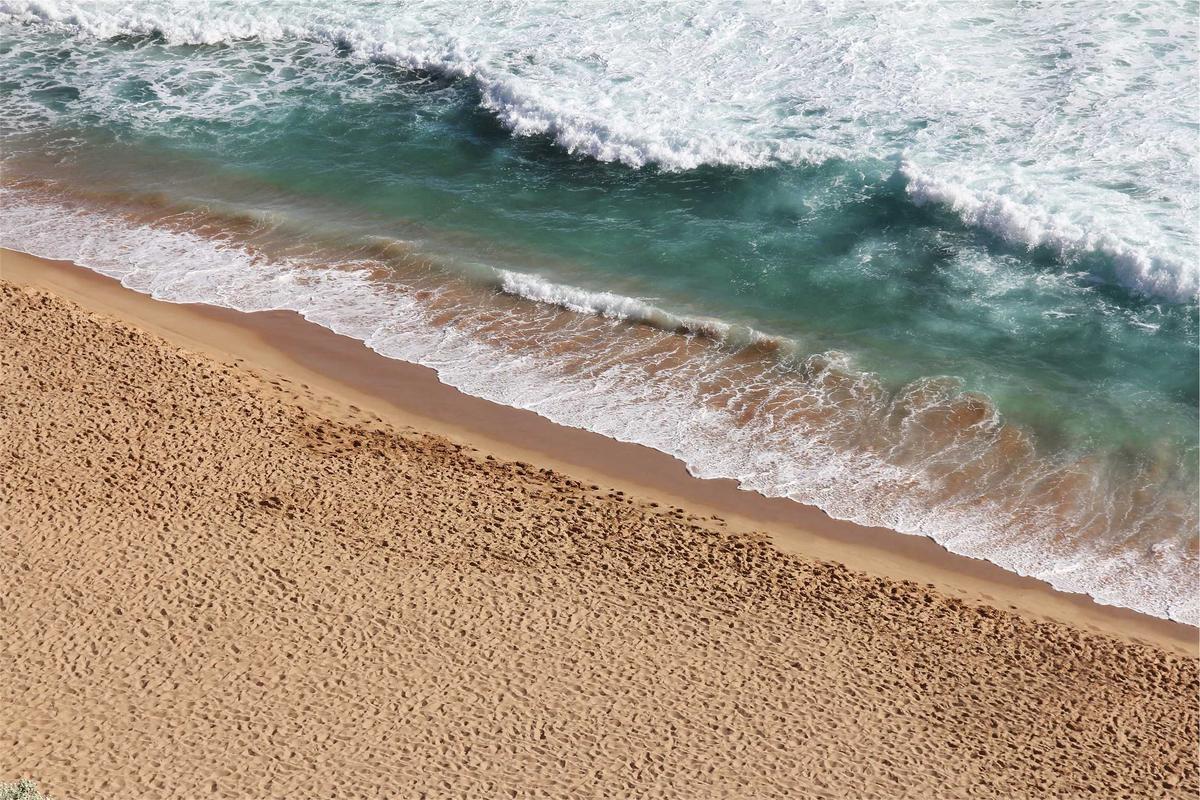
The colony, located on a small island off the coast of Tasmania, is home to a population of Australian fur seals. Researchers first noticed unusual mortality rates among pups in late November, with carcasses littering the shoreline. By early December, the death toll had reached catastrophic levels. 'We are witnessing a demographic collapse,' said Dr. Eliza Thornton, a marine virologist at the University of Sydney. 'The loss of an entire generation of pups will set back conservation efforts by decades.'
Laboratory tests confirmed the presence of the highly pathogenic avian influenza H5N1 clade 2.3.4.4b, which has been responsible for mass die-offs in birds worldwide. Seals are known to be susceptible to certain flu strains, but the scale of this outbreak is unprecedented. The virus appears to have jumped from infected seabirds, with which the seals share foraging grounds. Unlike previous outbreaks, this strain has shown an alarming ability to replicate efficiently in mammalian hosts.
The tragedy raises urgent questions about digital sovereignty in disease surveillance. Current tracking systems rely on fragmented data from wildlife agencies, veterinary labs, and human health networks. Without a unified, transparent platform, we remain blind to emerging zoonotic threats. 'We need a real-time pandemic radar,' argues Julian Vane, a former Silicon Valley technologist now advising on bio-digital convergence. 'Imagine a global early warning system that uses AI to analyse environmental DNA, satellite imagery, and social media signals. It would alert us before a virus spills over.'
Ethical dilemmas abound. Should we deploy drones to monitor colonies without disturbing them? Can we justify culling infected animals to save the rest? And how do we balance privacy concerns with the need for open data sharing? The seal colony crisis is a harrowing case study in the user experience of society when nature and technology collide.
For now, containment is the priority. Authorities have cordoned off the island and implemented strict biosecurity measures for visitors and researchers. But the genie may already be out of the bottle. 'If this virus establishes a foothold in marine mammals, it could evolve into a pandemic threat for humans,' warns Dr. Thornton. Seals are mammals, after all. Their respiratory cells are eerily similar to ours.
The outbreak also highlights the interconnectedness of ecosystems. Climate change is altering migration patterns, bringing species into closer contact. Melting ice caps and warming waters create new pathways for pathogens. We are living in an age of viral reconfiguration, where the boundaries between species blur with dangerous consequences.
As the death toll mounts, the global health community watches with bated breath. The same AI tools that optimise our online experiences could be repurposed for computational epidemiology. But that requires a level of digital sovereignty that most nations lack. The seal colony is a warning shot. The next outbreak could be on our doorstep.