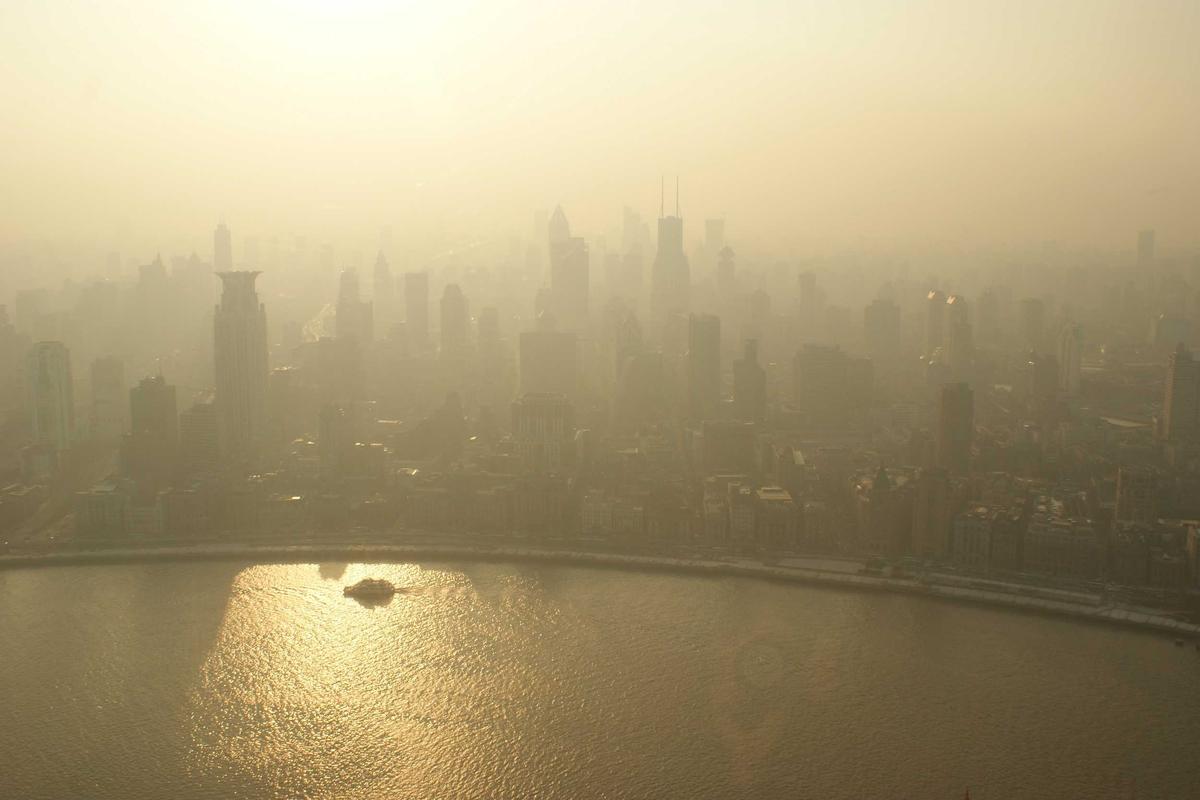
The skies above Moscow turned an ominous black this week. A Ukrainian drone strike on an oil refinery in the Moscow region has sent a plume of toxic smoke across the city, leaving residents to deal with what locals are calling “black rain”. For the working families in the sprawling suburbs of the Russian capital, this is not a geopolitical abstraction. It is soot on the washing line. It is the taste of diesel in the air. It is the fear that the war, which has always felt distant for many, is now arriving on their doorstep.
The attack, which Ukrainian officials claim was a precision strike on a critical node of Russia’s fuel supply chain, has ignited a massive fire that burned for hours. The resulting cloud of particulate matter has drifted across Moscow, coating cars, windows, and laundry in a film of greasy black residue. Local authorities have advised residents to keep windows closed and avoid outdoor activity. But for the millions of ordinary Russians who have been told the war is going according to plan, this is a stark reminder that the conflict is not confined to the front lines.
The economic cost is mounting. The refinery, estimated to process around 15 million tonnes of crude annually, is a key supplier of diesel and petrol for the Moscow region. With output halted, analysts warn that fuel prices at the pump could spike by as much as 20 percent in the coming weeks. For a population already grappling with double-digit inflation and a weakened rouble, this is a fresh blow to the household budget. The cost of a litre of petrol is not a niche concern. It is the bread and butter of everyday life. It determines whether you can drive to work, whether the delivery truck brings food to the supermarket, whether the school run is possible.
Across Europe, the strike has triggered alarm. NATO officials have expressed concern that the attack on infrastructure deep inside Russian territory could prompt a retaliatory escalation. The fear is a new spiral: Ukrainian strikes on Russian energy assets, Russian strikes on Ukrainian energy assets, and the civilians caught in between. In Warsaw, Berlin, and London, governments are watching nervously. The price of natural gas in Europe ticked up 5 percent on the news, a reminder that energy markets are a tinderbox.
But for the working families in Moscow, the immediate worry is more prosaic. Is the water safe to drink? Will the school be open tomorrow? Can we afford to fill the car? These are the questions that matter when black rain falls from the sky. The war is no longer something that happens in a faraway region. It is here, in the grit on the windowsill.
The mood in Moscow is shifting. The confident narrative of inevitable victory is being challenged by the reality of a conflict that is now being felt in the capital. Shopkeepers report a dip in footfall. Taxi drivers grumble about the cost of fuel. Parents keep children indoors. This is the human cost of escalation. It is not a game of chess. It is real life, sooty and chaotic.
What happens next is uncertain. An escalation could bring even more devastation. A de-escalation could bring relief. But for now, Moscow is cleaning up the black rain, and the rest of Europe is holding its breath.