The lights went out again in Havana’s Vedado district at 7pm on Tuesday. For Maria Gutierrez, a 68-year-old retired nurse living on the 14th floor of a crumbling tower block, this meant another night without water, without refrigeration, without the small fan that makes the tropical heat bearable. “We are trapped,” she told me, her voice a whisper over a crackling phone line. “Not because the doors are locked, but because every blackout turns our homes into prisons.”
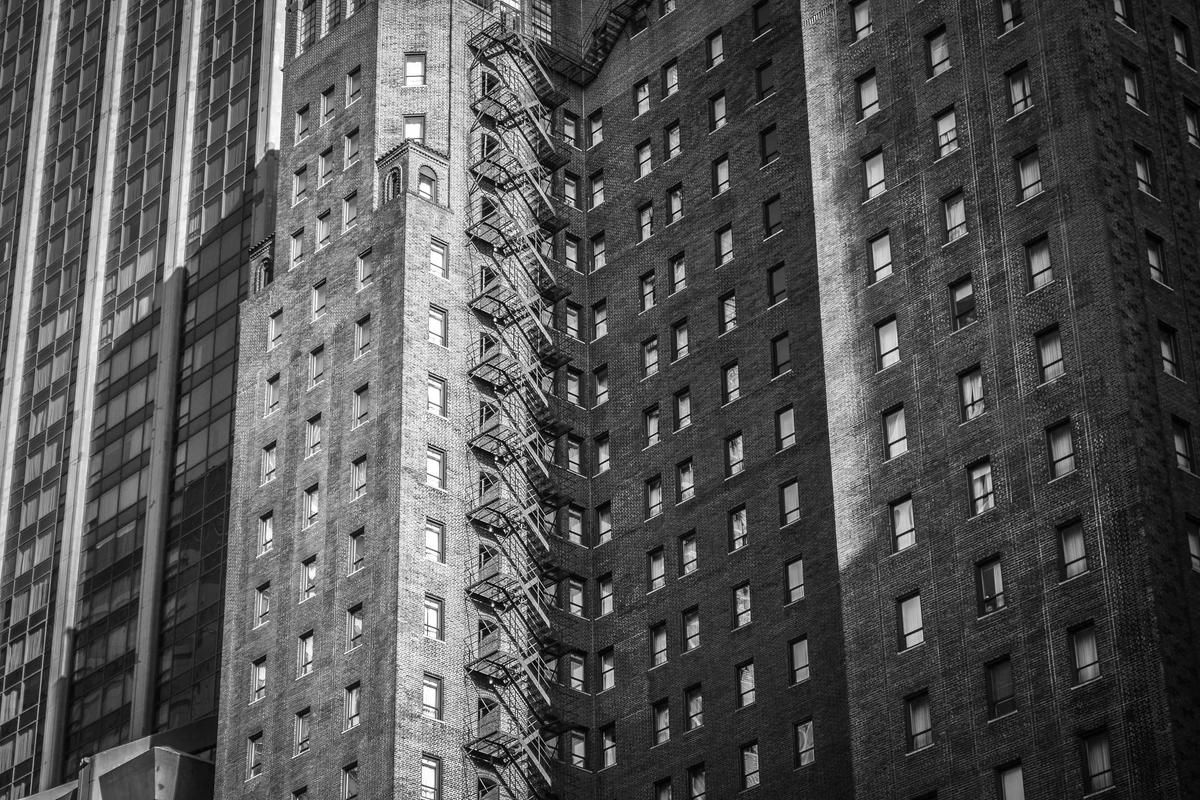
Cuba’s deepening energy crisis has thrust millions into darkness, but for residents of the country’s high-rise buildings, the experience is uniquely punishing. When the grid fails, lifts stop. Water pumps die. The elderly, the disabled, and families with young children find themselves stranded dozens of metres above the ground, cut off from supplies and basic services. It is a crisis of vertical inequality in a country long proud of its egalitarian ideals.
The blackouts are not new. Chronic fuel shortages, decaying infrastructure, and the tightening US embargo have left Cuba’s power plants struggling to keep the lights on for more than a few hours at a time. But the impact is most acute for those living above the fifth floor. Without lift access, residents must climb countless stairs in the dark, carrying heavy buckets of water from ground-floor standpipes. For the elderly or those with health conditions, such journeys are impossible.
“I haven’t left my apartment in three days,” said Roberto Diaz, a 72-year-old former factory worker living on the 9th floor of a building in Centro Habana. “My legs are bad. I cannot manage the stairs. My son brings me food and water when he can, but he has his own problems.” Roberto’s story is a common one. The blackouts have fractured the fragile networks of care that sustain many older Cubans, leaving them isolated and vulnerable.
The psychological toll is immense. The unpredictability of the outages means residents cannot plan. Will the power be on long enough to cook a meal? To charge a phone? To run a dialysis machine? For those with medical needs, every hour of darkness is a gamble. “We live in constant uncertainty,” Maria Gutierrez said. “You never know when the lights will go out or when they will come back. It wears you down. It makes you feel like you have no control over your own life.”
The government has attempted to mitigate the crisis, rotating blackouts to share the burden and prioritising hospitals and essential services. But for high-rise residents, such measures feel inadequate. “They tell us to be patient, that the situation is temporary,” said Carlos Mendez, a 45-year-old teacher living on the 12th floor. “But temporary has lasted two years. How much longer can we endure this?”
The blackouts are also a stark reminder of Cuba’s broader economic struggle. The collapse of tourism, the decline of remittances, and the failure of state-run industries have left the country unable to afford the fuel needed to keep its power plants running. For the working class, the cost is measured in lost wages, spoiled food, and sleepless nights.
In the shadows of Havana’s once-grand apartment blocks, a quiet desperation takes hold. Neighbours share candles and bottled water. Families sleep on rooftops to escape the heat. Children do homework by flashlight. It is a crisis borne of failure: the failure of infrastructure, the failure of policy, and the failure of a system that promised security but delivered uncertainty.
As I write this, the lights in my own hotel room flicker. Outside, a generator hums, a luxury few can afford. The city sinks into darkness, and for the people trapped in the high rises, the waiting begins again. How many more nights? How many more climbs? The answers are as dim as the grid itself.
For now, they endure. Because in Cuba, the lights may go out, but hope – however faint – remains. Yet hope, as Maria Gutierrez knows, is a thin shield against the crushing weight of the dark.