The flowers were beautiful, a cascade of white lilies and roses, handed over with a smile and a nod. They were also, it appears, a death sentence. The assassination of 34-year-old gang leader Viktor “The Vulture” Sokolov at a UK airport this morning has sent a chill through the corporate lounges and the security briefing rooms. It was an act both brutal and theatrical, a reminder that violence, like fashion, adapts to the times.
Sokolov, known for his iron grip on a sprawling Central European trafficking network, was intercepted as he collected a bouquet from a delivery driver in the arrivals hall of a regional airport. The flowers, neatly wrapped in cellophane, contained a concealed blade. Two swift, precise movements later, Sokolov was on the floor, and the flowers lay scattered, their petals pooling with a different kind of red.
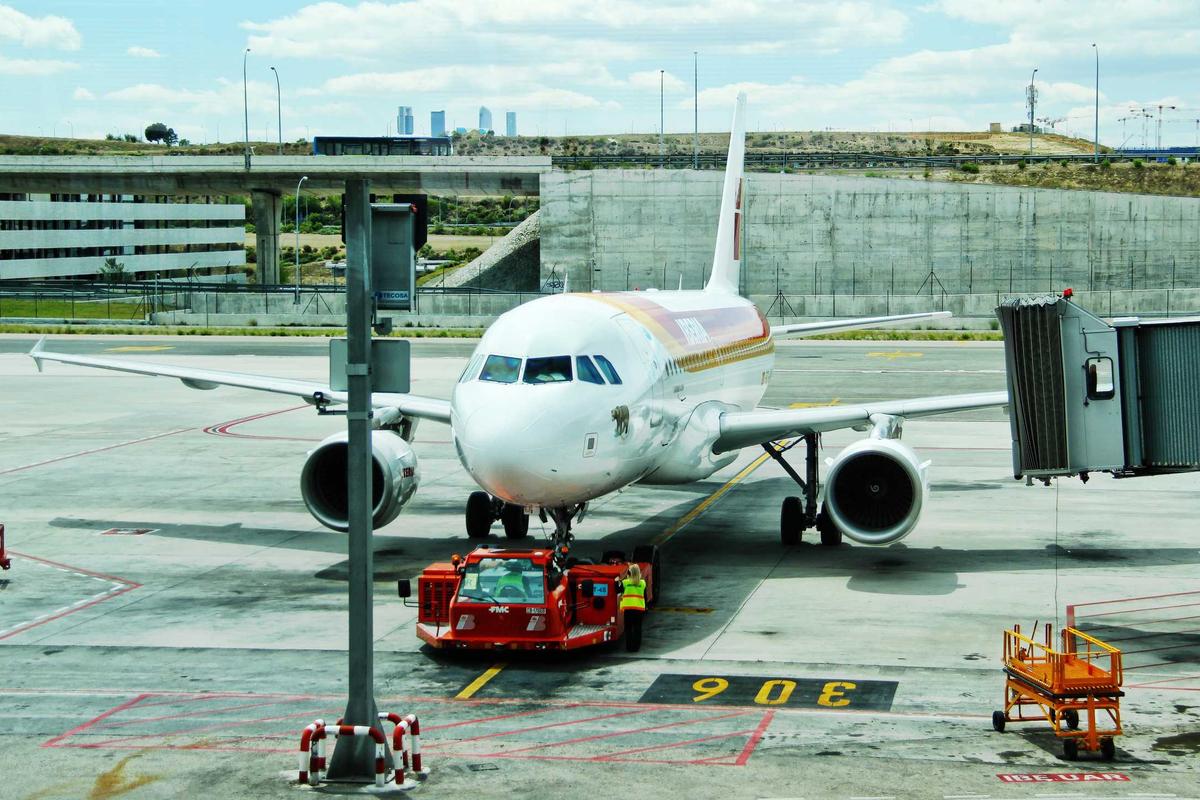
The immediate reaction is predictable. Security protocols will be reviewed, procedures tightened, and another layer of scrutiny added to the already taut skin of airport travel. Yet what strikes me is not the failure of security, but its fundamental character. We have built systems to detect explosives, to scan liquids, to question passengers about their itineraries. We have not built systems to stop a man with a knife in a bouquet, because that is not a technological problem. It is a human one.
I spoke to a retired airport security officer, a man named Derek who spent thirty years watching people lie. "You're looking for behaviour," he said, over a cup of tea in a cafe near the perimeter fence. "But behaviour is context. A man accepting flowers is normal. A man sweating is normal, half the travellers are sweating. The problem isn't the knife. The problem is that we've trained everyone to look at the bag, not the person holding it."
There is a cultural shift at play here, one that goes beyond airport security. We have become a society that outsources our safety to machines. We trust the scanner, the algorithm, the CCTV. We trust the uniform. But the uniform can be fooled by a gesture of kindness. The algorithm cannot parse a smile. The CCTV misses the glance.
This assassination is also a stark reminder of the class dynamics of violence. Sokolov was a gang leader, a man whose life was lived in the shadows of the legitimate economy. But his death occurred in the bright, fluorescent light of the airport, a temple of mobility and aspiration. The airport is meant to be a neutral space, a place where business travellers and holidaymakers and, yes, gangsters, pass through on their way to somewhere else. It is not meant to be a stage. But violence, especially the theatrical kind, is always looking for a stage.
The human cost of this event extends beyond Sokolov. The delivery driver, a young man named Hassan, is now a witness, his face splashed across news channels, his life interrupted by a delivery he thought was just another job. The other passengers, their morning commute to Milan or Madrid now a memory of blood and sirens. They will fly again, but they will look at the flowers in the terminal with a new suspicion.
What does this mean for the average traveller? More delays, probably. More questioning of your innocent gifts. A new item on the list of things you cannot bring into the secure zone. But also, a deeper unease. The airport is one of the last public spaces where we submit to authority, where we accept that someone else knows better. This assassination cracks that faith. It says that the system, for all its high-tech show, is still vulnerable to the oldest trick in the book: a gift.
As I write this, the flowers are being collected as evidence. They will be photographed, catalogued, and eventually disposed of. But the image of those white petals against the grey floor will linger in the collective memory. It is a picture of vulnerability, of the thin line between the mundane and the monstrous. For a moment, the security theatre fell silent. And the reality walked right in.