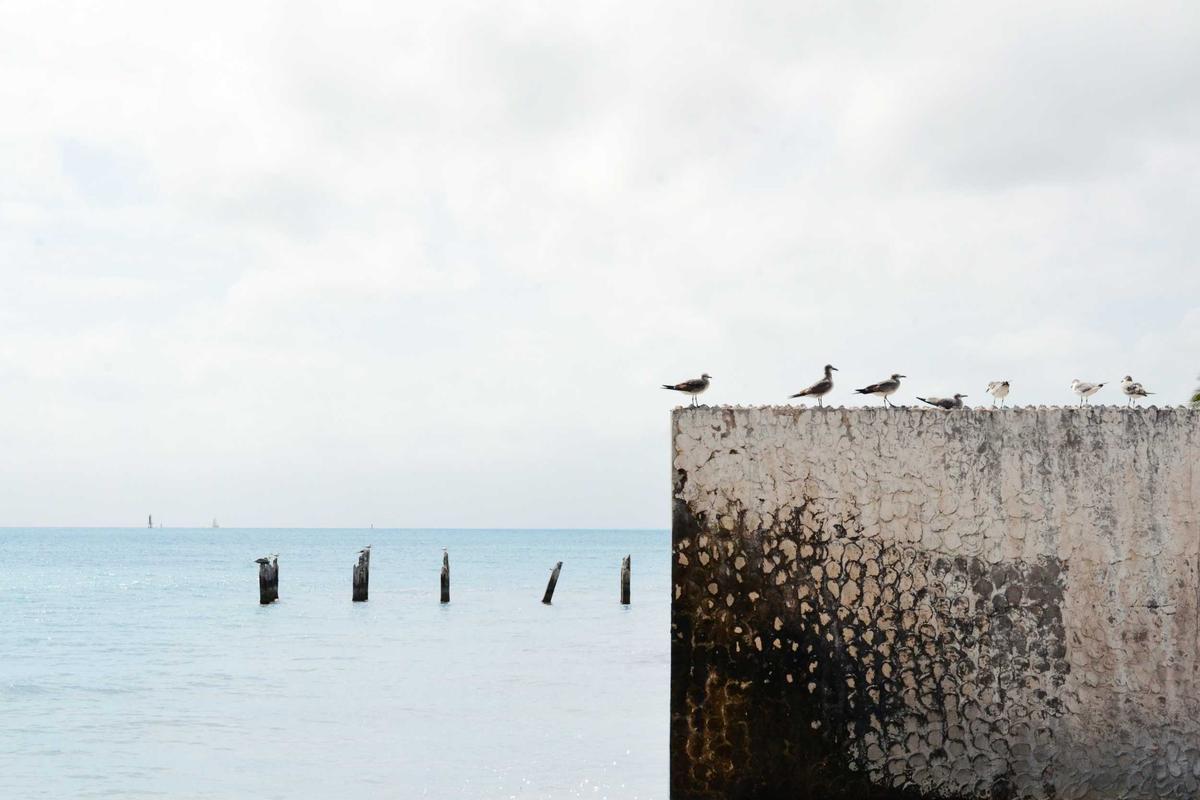
The idyllic shores of the Maldives, a paradise for divers and holidaymakers, have been touched by tragedy. The bodies of two Italian divers were recovered this morning off the coast of the atoll, prompting an international response. A UK search team, equipped with cutting-edge underwater drones, stands ready to assist local authorities in the investigation.
The divers, identified as 38-year-old Marco Rossi and 42-year-old Luca Bianchi, went missing yesterday during a dive at the renowned Maaya Thila, a site known for its vibrant coral gardens and strong currents. The pair failed to surface after a scheduled 50-minute dive, triggering a search that lasted through the night.
Local Maldivian authorities recovered the bodies at dawn, but details surrounding the incident remain scarce. Speculation centres on equipment failure or unexpected underwater conditions. The UK team, part of the Royal Navy’s specialist dive unit, is on standby with advanced sonar and ROV technology to assist with evidence gathering and to ensure no further risks to divers in the area.
This incident raises familiar questions about safety in remote diving locations. While the Maldives is a world-class destination, its remote geography and sometimes unpredictable currents can turn a dream dive into a nightmare. As Julian Vane, Technology and Innovation Lead, I have seen how digital tools could transform rescue operations. AI-driven search algorithms and real-time ocean current mapping could have expedited the search. The UK team’s deployment is a stark reminder that even the most beautiful environments require a robust safety net.
We must consider the 'Black Mirror' consequences of our tech dependence. While drones and sensors can save lives, they also introduce concerns about surveillance and privacy. In this case, the focus is on recovery and prevention. The local community is in mourning, and the global diving community will be watching for any lessons.
The investigation is ongoing, and the UK team’s role is to complement rather than override local efforts. As we await further details, one thing is clear: the human cost of adventure cannot be underestimated. Our digital tools are only as good as the ethical frameworks we build around them. For now, our thoughts are with the families of the divers. The sea gives and takes, and in its depths, we sometimes find both wonder and sorrow.