Just weeks ago, Bolivia’s president stood beside US officials, vowing to eradicate coca plantations. Now, in a dramatic reversal, La Paz has signed a cooperation agreement with Washington’s rivals. The deal, forged in secrecy, allows American drones to monitor upstream cocaine routes while British agents observe from the sidelines. But here in the Bolivian highlands, the real story is not the geopolitics of counter-narcotics. It is the people who will pay the price.
On the streets of Villa Tunari, where coca leaves have been chewed for centuries, the announcement has caused confusion. For the cocaleros, the coca farmers who form the backbone of the rural economy, the shift raises a single question: who will buy our harvest now? The US has long demanded eradication. But the new deal, which funnels funding to alternative development projects, offers a lifeline. Will these promises materialise, or will they be another empty handout? Historically, alternative crops like coffee or bananas have struggled to compete with the narcodollars that flow from the Andean slopes.
Meanwhile, British agents in unmarked cars cruise the Chapare region, taking notes. Their presence is emblematic of a broader cultural shift: the drug war is becoming a globalised game of Whac-A-Mole. As the US focuses on fentanyl from China, Southeast Asia, and Mexico, traditional cocaine routes are opening new front lines. British intelligence, keen to protect domestic users from tainted cocaine, is now embedded as an observer. For locals, this feels less like partnership and more like a new colonial oversight.
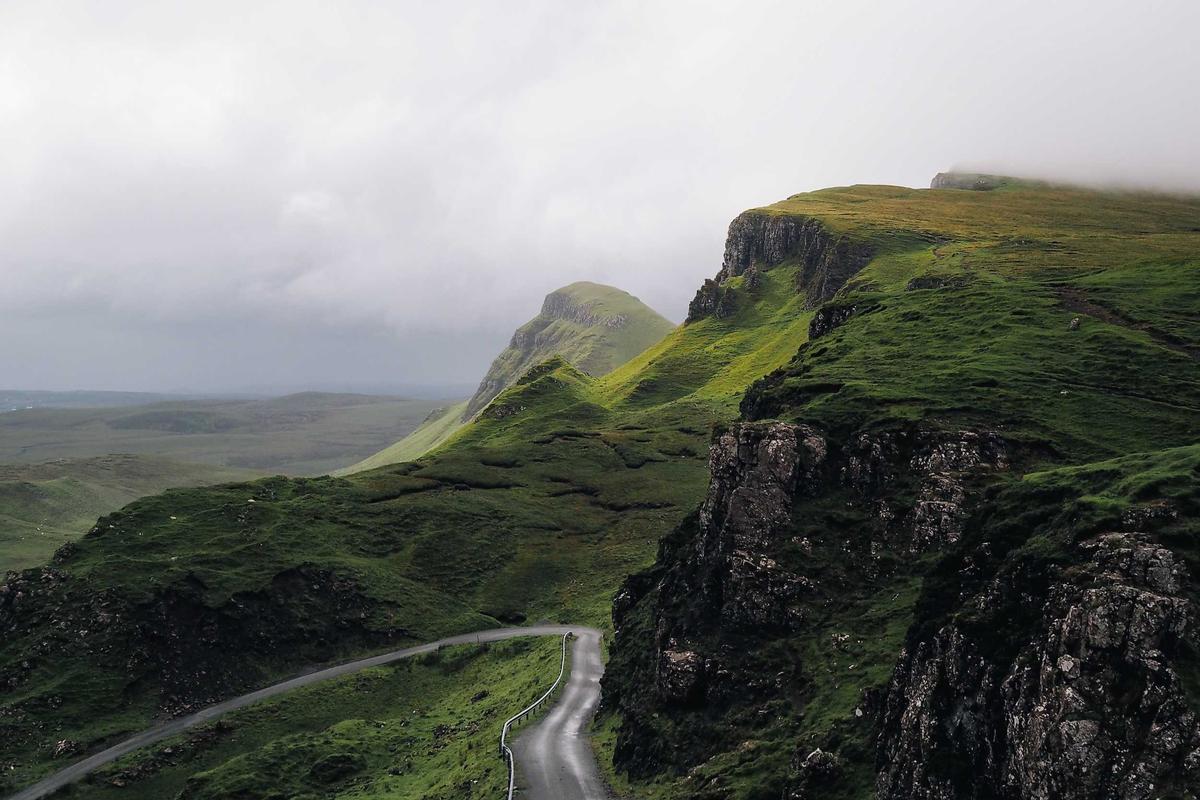
The human cost is tangible. The day before the deal, a cocalero named Javier saw his son arrested for possession of coca paste. 'The gringos start a war, then leave,' he told me, gesturing to the mist-covered hills. 'Now the British? They are just the new gringos. They will not bring peace.' Javier’s son faces a decade in prison. In his village, families now debate whether to abandon coca for the new subsidies, or risk the growing presence of British spotters who report suspicious activity to Bolivian police.
Class dynamics further complicate the picture. In La Paz, the elite sip single malt and discuss the deal’s merits. They see diversification as progress. But in the coca-growing communities, the move is perceived as a class war against the poor. 'We are not criminals,' a female farmer told me. 'This leaf is our tradition. They want to turn our children into waiters and our land into soy fields.' The irony is not lost: the same US that funds Bolivian anti-drug units is also the world’s largest consumer of cocaine.
What does this mean for the average Bolivian? The answer depends on geography and class. In the cities, a new sense of opportunity: jobs in construction for the new radar stations and a chance to distance the nation from its 'narcostate' reputation. In the countryside, a deepening of the existential crisis: how to preserve identity while scrambling for a piece of the globalised world.
As the British agents log their observations and the drones buzz overhead, the cocaleros are left to navigate a landscape where tradition, survival, and geopolitics collide. This deal might disrupt cocaine flows, but it also disrupts lives. The cost, as always, is borne by those who chew the leaf, not those who snort the powder.