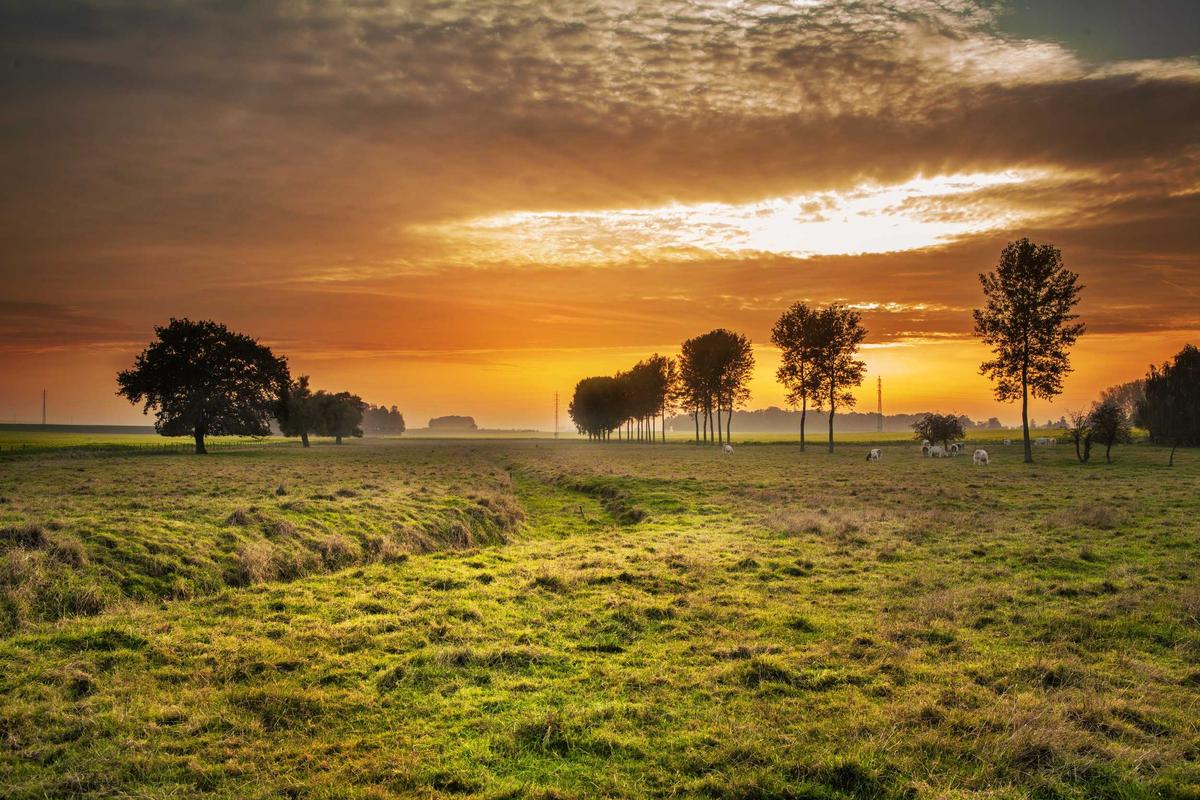
The Australian bush has a peculiar way of swallowing secrets. But yesterday, a convoy of US and Japanese military vehicles carved a fresh scar through the red dirt of the Northern Territory, and with it, a story that tells us less about geopolitics than about the shifting foundations of everyday life. The drills, part of a deepening partnership under the AUKUS pact, are billed as strategic reassurance. But for the locals in Katherine and Darwin, they are something else: a daily reminder that their backyard is now a chessboard.
I spoke to Margaret, a retired schoolteacher who lives near the Bradshaw Field Training Area. She watches the helicopters from her veranda. "It's the noise," she said, wincing. "Not the sound of progress. The sound of something else." Her words cut through the official language of interoperability and deterrence. For Margaret, the human cost is measured in startled kangaroos and the way her dog quivers at dusk.
Then there is the cultural shift. The US and Japanese presence is not just military. It brings with it a quiet influx of personnel, families, and the inevitable friction of distinct ways of life. At the local pub, a barman named Jack told me the Americans tip well but order strange beers. The Japanese soldiers, he said, are polite to a fault. "But none of them know cricket," he laughed. It is a small thing, but in a town of 6,000, small things become big.
The class dynamics are interesting too. The Australian Defence Force has long been a pathway for working-class kids out of mining towns. Now, with exercises like these, the stakes are higher. A young soldier I met, Jake, 22, from a broken family in Wollongong, said the joint drills feel less like training and more like a declaration. "We're not just learning to fight. We're learning who we're fighting for." He didn't mean Australia.
What the press releases miss is the weight of presence. The local councils have been grappling with increased demand for housing, for mental health services, for schools that can handle transient children. The strategic benefits are abstract. The traffic jams outside RAAF Base Darwin are concrete.
The broader social trend is a slow, creeping normalisation of militarisation. In the 20th century, the bush was a place of escape, of outlaw myth. Now it is a theatre of operations. Children grow up with the thud of ordnance in the distance. They learn the silhouettes of different aircraft. Their sense of home shifts.
This is not a condemnation. It is observation. The AUKUS pact is a statement of intent about the future. But the future is lived in the present, by real people in real places. Margaret doesn't care about the Pacific deterrence framework. She cares about the state of her driveway after an armoured vehicle has used it as a turning circle.
There is something poignant in all this. The alliance is built on trust and shared values. But values are tested in the mundane. The way a Japanese soldier bows to an elderly Australian woman at the supermarket. The way an American sergeant helps a local mechanic fix a carburettor. These small moments are the real infrastructure of alliance.
We talk of strategic depth. But the depth is human. It is measured in awkward conversations and shared silences, in the accommodation of difference. The drills will end. The soldiers will leave. But the landscape bears scars, and the people carry memories. The bush will not forget. And neither should we.