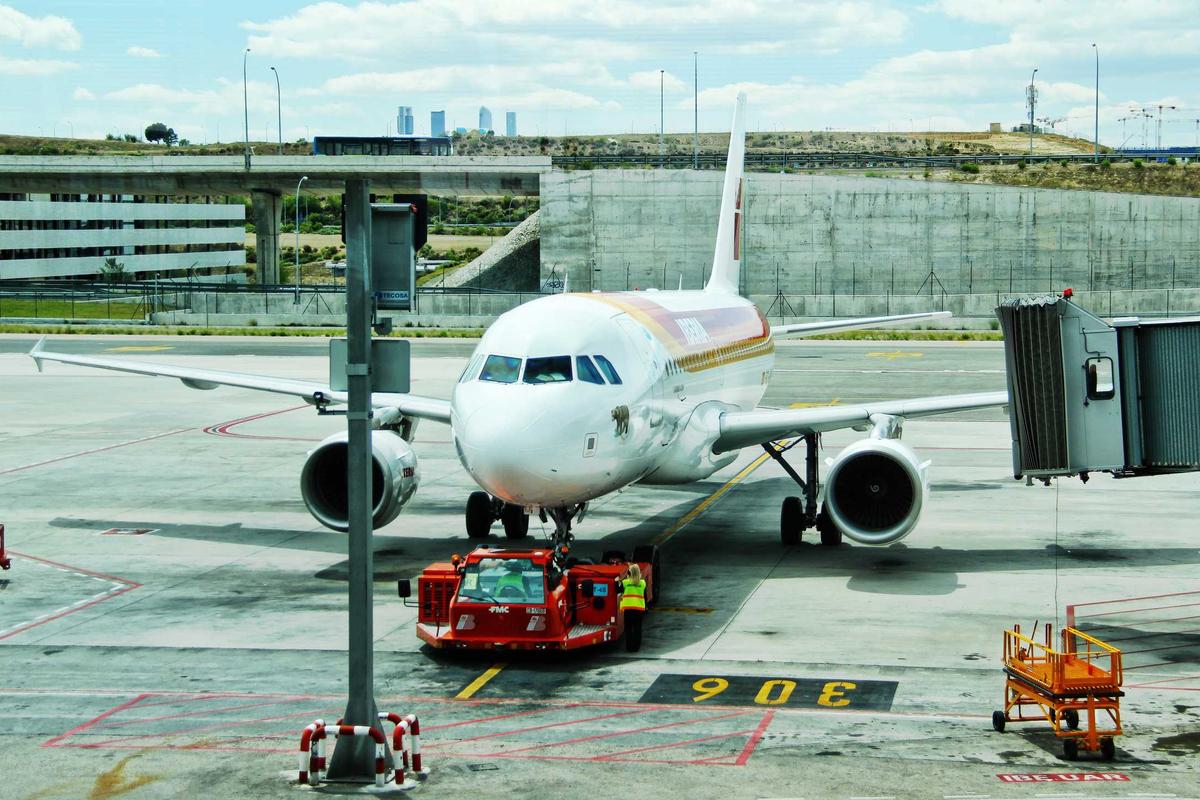
In the annals of public health theatre, few performances are as reliably dramatic as the deployment of border screening during an overseas epidemic. Today’s news from Heathrow, where UK Border Force has rolled out advanced thermal cameras and health questionnaires for passengers arriving from Brazil, is a textbook example. The trigger: a suspected Ebola case in São Paulo, still unconfirmed, yet enough to set the machinery of precaution in motion. One might call it prudent. I call it a ritual of national anxiety, a contemporary echo of the quarantines and cordons sanitaires that defined the Victorian response to cholera. But where our ancestors feared the miasma, we now fear the passenger manifest.
Let’s cut through the hysteria. Ebola is a terrifying disease, no doubt. Its haemorrhagic fevers and high fatality rate make it a natural candidate for media obsession. Yet the reality is that transmission requires direct contact with bodily fluids, not casual proximity. The odds of a single case spiralling into a British outbreak are vanishingly small, given our robust healthcare infrastructure and contact tracing capabilities. So why the theatre?
This is where the historian in me sees a pattern. Every era has its symbolic threat. In the 19th century, it was the ‘dangerous classes’ and their supposed moral contagion. Today, it’s the biological invader from the Global South. The Brazilian case, even if only a scare, taps into a deep well of national identity anxiety: the fear that our borders are porous, that modernity’s global connectivity has made us vulnerable to forces beyond our control. The thermal camera is our modern apotropaic charm, a talisman against chaos. It does little to stop Ebola but much to reassure a populace that craves the illusion of control.
Of course, there’s a cost. The friction on travel, the stigma on Brazilians and other Latin Americans, the precious resources diverted from genuine public health priorities. While we hyperventilate over a single speculative case, the NHS is underfunded, antibiotic resistance ticks upward, and winter flu kills thousands. But flu lacks the cinematic horror of Ebola. It doesn’t fit the narrative of a world in decline, a Rome besieged by barbarian germs.
What we are witnessing is intellectual decadence disguised as vigilance. The modern mind, dazzled by 24-hour news cycles and Twitter panics, has lost the capacity for rational risk assessment. We prefer the thrilling drama of the exotic plague to the mundane reality of heart disease and diabetes. It’s a failure of imagination and nerve.
Let’s take a breath. If the Brazilian case proves real, we have the tools to contain it. If it’s a false alarm, as is likely, we will have indulged in another round of epidemiological play-acting. Either way, the lesson is not about Ebola. It’s about us: a society that has traded stoicism for hysteria, and wisdom for the gaudy spectacle of security. The Victorians would have chuckled. They knew that the real threat to the British body politic was not the fever from abroad, but the decay of reason at home.