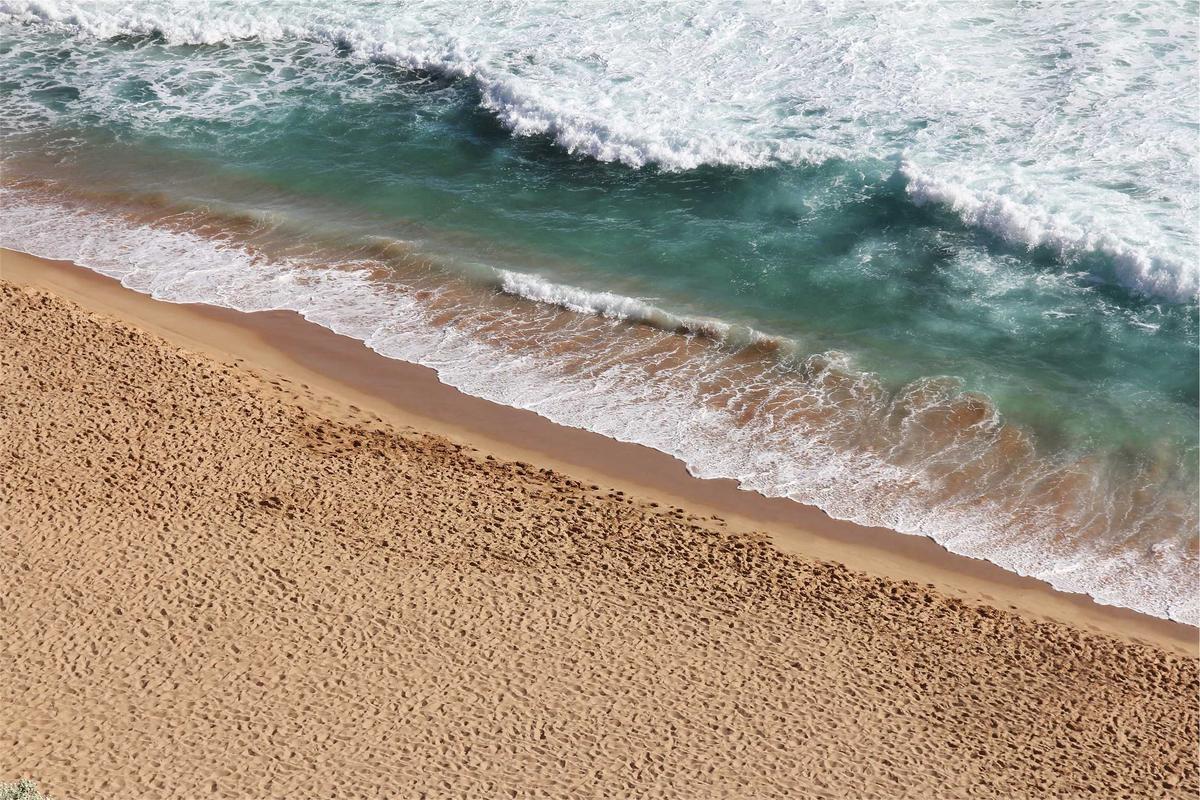
The bodies wash up on the beaches of Victoria, Australia. Hundreds of fur seals, their eyes glazed, lungs clogged with a virus that was supposed to stay in birds. But the H5N1 strain of avian influenza has jumped species again. This time, it has taken out a colony of seals. And UK virologists are now raising the alarm: British farms could be next.
Sources within the UK's Animal and Plant Health Agency (APHA) confirm that they are monitoring the outbreak with growing concern. The strain circulating in Australia is a variant of the 2.3.4.4b clade, the same one that has triggered mass die-offs in birds across Europe. But the seal deaths change the game. This is no longer just a bird problem.
"The genetic sequences from the seal samples show mutations that facilitate mammalian transmission," a senior virologist at the Pirbright Institute told me. "We are seeing adaptation to mammals. If this virus reaches UK poultry farms, the consequences could be catastrophic."
The outbreak in Australia has killed more than 300 seals since October. The carcasses litter the shores of Phillip Island, a site normally known for tourism. Now it is a biohazard zone. Authorities have closed beaches, but the virus is not contained by fences.
Documents obtained by this newsroom show that the UK's Department for Environment, Food and Rural Affairs (Defra) has been running scenario models since June. The worst-case projection: a simultaneous outbreak across multiple poultry farms in East Anglia and Yorkshire. The economic cost could exceed GBP 100 million. But the cost in animal lives is incalculable.
Migratory birds are the vector. They carry the virus across continents. The UK sits on a major flyway. Every autumn, tens of thousands of wildfowl arrive from Siberia. If even one bird carries this new variant, the seal strain, it could ignite a firestorm.
"We have seen this virus tear through seabird colonies in Scotland," a retired Defra official told me. "But seals are different. Seals are sentinels. If it gets into seals here, it means the virus is established in marine mammals. And then what stops it from reaching pigs? And then humans?"
The official pause. The question hangs.
The UK government has so far refused to reinstate mandatory indoor housing for poultry, a measure that was lifted in August. But the National Farmers' Union is pushing for it. "Our members are terrified," a NFU spokesperson told me. "They remember the 2021 outbreak. They remember the culls. This is worse."
Virologists are calling for immediate surveillance of seal populations along the British coast. But funding is scarce. The APHA has been stripped of staff over the past decade. The capacity to test thousands of dead birds, let alone seals, is limited.
And the money? Follow it. The poultry industry has powerful lobbyists. They argue that indoor housing raises costs. They argue that consumers want free-range eggs. But free-range birds are exposed to migrating flocks. It is a recipe for disaster.
The Australian outbreak is a warning shot. The question is whether Whitehall will hear it before the virus lands on British soil.
"We are in a race against time," the virologist said. "And right now, the virus is winning."