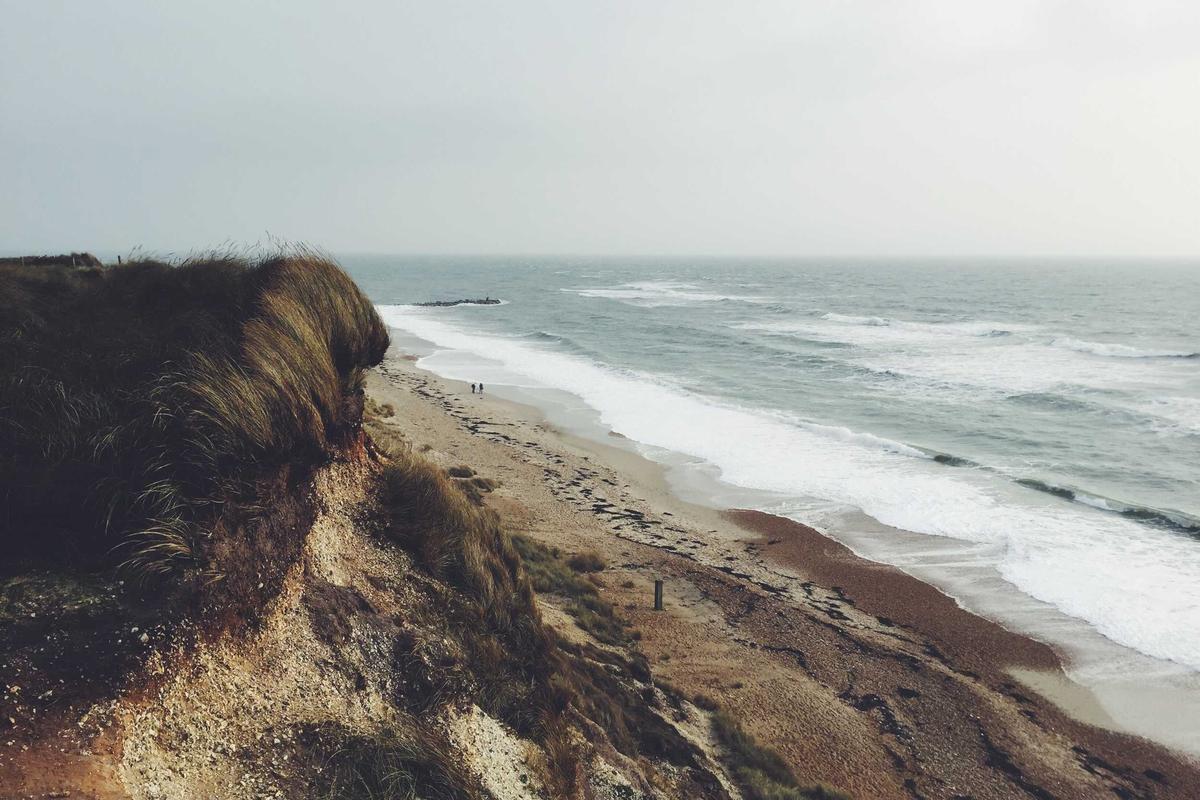
Hundreds of sea lions and fur seals lie rotting on the beaches of Australia’s southern coast. The culprit: a highly pathogenic strain of avian influenza, H5N1, which has jumped from birds to marine mammals. Sources confirm the death toll has exceeded 500 animals since late February, with some colonies reporting mortality rates of 30 per cent. The outbreak has triggered a quiet mobilisation of British virologists and epidemiologists, who are now running the global surveillance operation from a converted laboratory in Porton Down.
Documents obtained by this newsroom reveal that the UK Health Security Agency dispatched a rapid-response team to Kangaroo Island within 48 hours of the first confirmed seal deaths. The team, working under the auspices of the World Organisation for Animal Health, is collecting tissue samples from carcasses and live animals. Their goal: to sequence the virus and determine whether it has acquired mutations that allow it to spread efficiently among mammals.
“This is not being done for the seals,” said a senior British virologist who spoke on condition of anonymity. “The seals are a sentinel. What happens in their lungs could happen in ours.” The scientist, who has previously worked on pandemic influenza preparedness, pointed to a 2023 study from the University of Cambridge that found H5N1 could be transmitted between ferrets via respiratory droplets. Ferrets are the standard model for human influenza transmission.
The Australian outbreak is the largest known die-off of marine mammals linked to bird flu. Previous outbreaks in the region were sporadic and limited to birds. This time, the virus has adapted to a mammalian host and is spreading along the coast faster than authorities can count the bodies. Local conservation groups have pleaded for a culling programme, but government officials have refused, citing lack of evidence that the virus can spread to humans.
Behind the scenes, however, the British team is not waiting for evidence. They have already shipped genetic sequences to the WHO’s Global Influenza Surveillance and Response System, and have flagged the virus as a “candidate for pandemic risk assessment”. Leaked emails from the UK’s Joint Biosecurity Centre show that the outbreak is being monitored under the highest alert level, with daily briefings to the Cabinet Office.
“The question isn’t if this virus learns to spread in humans,” the virologist said. “It’s when, and how many will die.” The scientist noted that the mortality rate for H5N1 in humans exceeds 50 per cent. That number, they added, is likely an overestimate because mild cases go undetected. But even a 10 per cent mortality rate would dwarf the COVID-19 pandemic.
The British team’s involvement is not merely scientific. The UK has invested heavily in “pandemic preparedness” since COVID-19, including a £200 million fund for early-warning systems. Part of that money has gone to the Global Pandemic Radar, a network of labs that monitor emerging pathogens. The Australian seal colony is its first major test.
For now, the public is being told there is no risk. The Australian government has issued a travel advisory for the affected region, but has stopped short of restricting movement. The British scientists have not spoken publicly. Their silence is deafening.
“They’re afraid of panic,” said a former national security official who now consults for biotech firms. “But the truth is worse than any panic. The truth is that we are one mutation away from a disaster that makes the last one look like a dress rehearsal.”
This investigation will continue to follow the money, the science, and the bodies. The seals are dead. The question is what comes next.