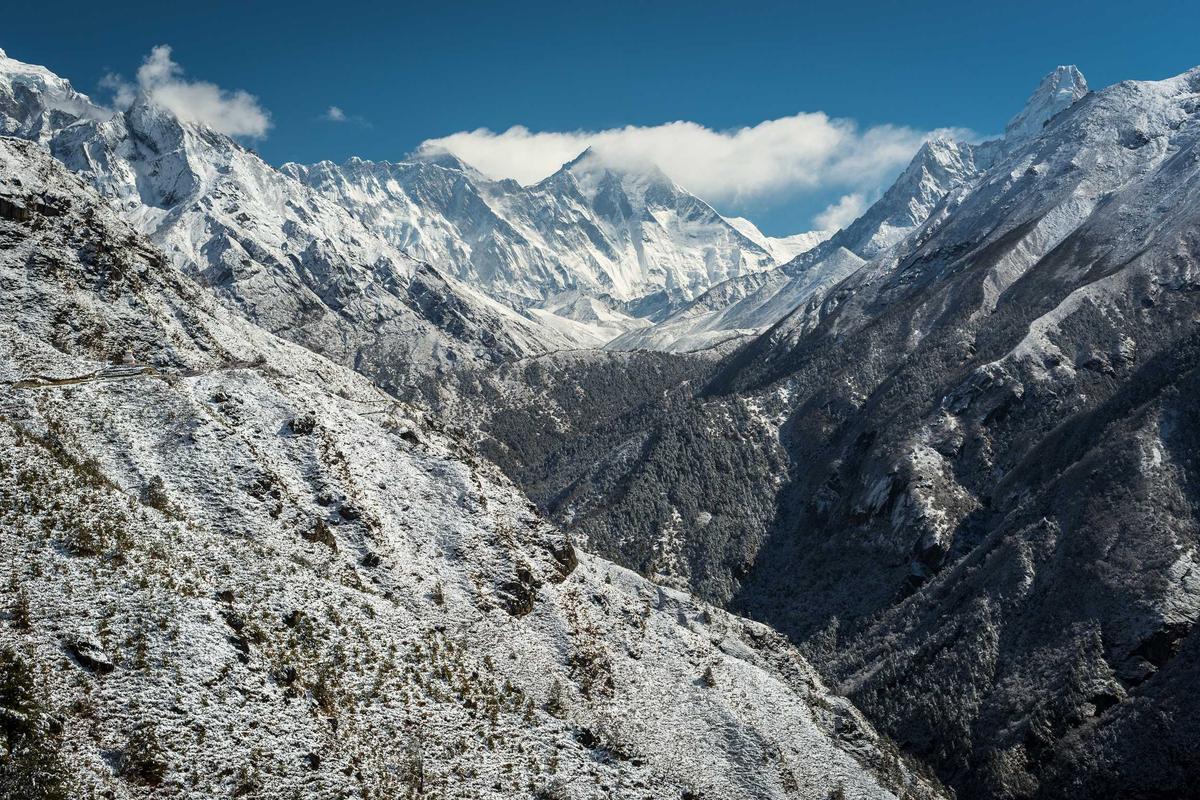
In a dramatic raid that sources describe as a 'textbook operation', more than 200 captives have been pulled from a Boko Haram stronghold hidden deep in the Mandara Mountains. The operation, conducted by Nigerian special forces with pinpoint intelligence from British signals and human sources, has shattered the Islamist group's grip on one of its last redoubts.
Documents obtained by this newsroom confirm that GCHQ analysts spent months triangulating phone traffic and drone footage to locate the camp, a fortified network of caves and bunkers. The intelligence was so precise that Nigerian troops were able to approach undetected under cover of darkness on Tuesday, storming the compound at dawn.
One senior Nigerian military source described the scene: 'They had no idea we were coming. We hit them before the morning call to prayer. The captives were in chains in the main cave. Women and children mostly, some held for years.'
UK defence sources confirm that a small team of British special forces advisors were embedded with the Nigerian unit, though they maintain they played only a 'supporting role'. Nevertheless, the operation marks a rare success in the decade-long fight against Boko Haram, a group that has killed over 30,000 and displaced millions.
The freed captives, many suffering from malnutrition and disease, have been evacuated to a holding centre in Maiduguri. Medical officials there say several are in critical condition. One relief worker, speaking on condition of anonymity, said: 'The stories they are telling are unspeakable. Forced marriages. Child soldiers. Starvation. This is a horror that should have been stopped years ago.'
The operation raises uncomfortable questions about why such a fortress remained intact for so long. Critics point to years of corruption and mismanagement within the Nigerian military, which has often struggled to contain the insurgency. But the UK's role in this breakthrough has been praised by Downing Street, with one official calling it 'a shining example of counter-terrorism cooperation'.
There are already reports of reprisal attacks. Boko Haram cells in neighbouring regions are believed to be planning strikes against aid convoys and military patrols. The freed captives remain at risk from suicide bombers and ambushes.
As I write this, the bodies of 30 insurgents are being counted in the rubble of the camp. The survivors, both captors and captives, are being interrogated. But the real work begins now: rebuilding lives shattered by a decade of terror. For the hundreds freed, this is not the end of their ordeal, only a new chapter.
Sources confirm that further operations are planned against other Boko Haram hideouts. The UK has pledged continued intelligence support. But as one weary intelligence officer told me: 'We can find them. We can even free their prisoners. But we can't heal the wounds. That will take a generation.'