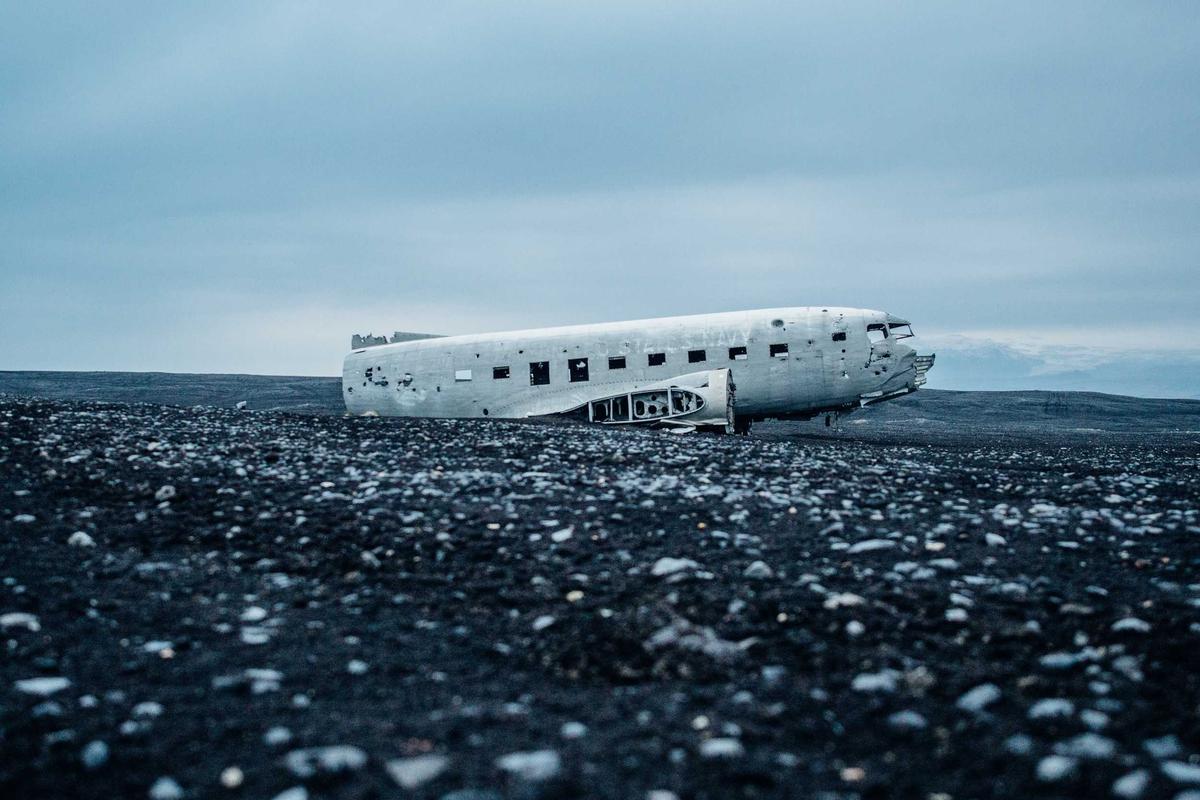
The video is brutal. A New Shepard rocket, upright on the launchpad, then a fireball. Blue Origin's latest uncrewed test flight ended in catastrophe at 10:30 AM local time. No casualties. But the political fallout in Westminster has already begun.
Whitehall sources confirm a team of British aerospace engineers from the UK Space Agency is en route to the Cape Canaveral crash site. Their brief: sift through the wreckage. Find out what went wrong. And, crucially, ensure it doesn't happen on British soil.
This is not just an American problem. The UK's space ambitions are tied to Blue Origin's technology. The company is a key partner in the government's 'Spaceport Cornwall' project. A rocket that explodes is a rocket that doesn't fly. And a rocket that doesn't fly is a political headache for Number 10.
Backbench MPs are already sharpening their knives. Labour's shadow science secretary, Peter Kyle, is demanding an emergency statement from the Business Secretary. 'Taxpayers are funding this,' he told me this afternoon. 'We need answers. Not spin.'
The timing could not be worse. Just last week, the Prime Minister gave a speech touting Britain as a 'science superpower'. He name-checked Blue Origin. Now that speech has aged like milk.
Defence sources are also nervous. The MoD relies on commercial launch providers for satellite deployment. A failure in Florida raises questions about reliability. 'We cannot outsource our security to a rocket that blows up,' one senior officer said.
Inside the Lobby, the chatter is about the 'Sutton Harbour' factor. Remember that name? It's the home town of the new Science Minister, George Freeman. He owns a house there. He's been a cheerleader for space. His phone will be ringing off the hook.
The data from the debris will be crucial. Did the engine fail? A fuel leak? A structural flaw? British engineers will be looking for patterns. If it's a design flaw, every Blue Origin rocket is grounded. That includes the one destined for Cornwall.
Meanwhile, the competition is circling. Elon Musk's SpaceX is on the phone to Downing Street, offering alternatives. The Treasury is keen. Lower cost. Proven reliability. But the political optics of ditching a British-based project for a foreign billionaire's company? Toxic.
The narrative is shifting. What was a 'bold British space adventure' is now a 'risky American venture'. Headlines write themselves. The opposition will milk it.
One Whitehall insider summed it up: 'This isn't just a rocket going up in smoke. It's a policy going up in smoke.'
Expect statements. Expect finger-pointing. Expect a new round of audits. The British space programme has just hit a very public speed bump.
And in the back rooms? The whispers are about contingency plans. 'Plan B' is the phrase du jour. No one is saying what it is. Yet.
I'll be watching the debris analysis. Every bolt, every wire, every fragment tells a story. That story will decide the future of Britain in space.