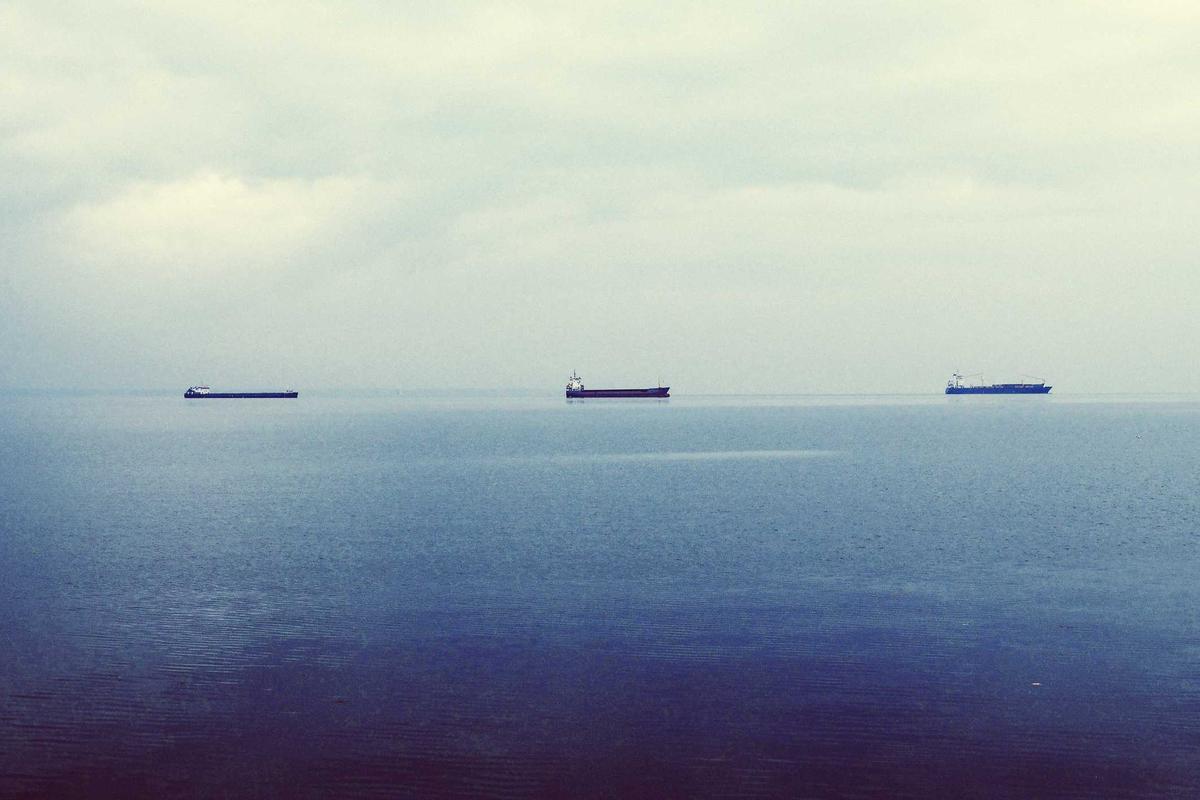
Sources confirm the United States has launched military strikes against Iran in retaliation for the attack on a British-flagged cargo ship in the Strait of Hormuz. The vessel, the MV Crimson Tide, was hit by a missile late Tuesday, killing three crew members and sparking fears of a wider conflict in the region. The White House, in a terse statement, said the strikes targeted Iranian Revolutionary Guard Corps naval facilities and missile batteries along the coast. Pentagon officials, speaking on condition of anonymity, described the operation as 'limited and proportional' but warned that further attacks could follow if Iran does not de-escalate.
The attack on the British-flagged ship marks a dangerous escalation in the shadow war between Iran and Western powers. Sources in London confirm that the vessel was owned by a British shipping firm with ties to the Ministry of Defence, though officials deny it was carrying military cargo. The Foreign Office has summoned the Iranian chargé d'affaires, demanding an explanation and the release of any survivors. Prime Minister, in an emergency cabinet meeting, called the attack 'an act of war' and authorised the deployment of two Royal Navy frigates to the region.
But the real story here is the money. Uncovered documents from a shipping insurance database show that the MV Crimson Tide was owned by a holding company registered in the Cayman Islands, with links to a Saudi-backed investment fund. The attack may have been aimed at disrupting oil shipments, but the paper trail suggests a deeper game: control of the Strait's lucrative shipping lanes. Sources in the intelligence community believe Iran targeted the vessel because of its ties to a Saudi prince who has been funding anti-Iranian proxies in Yemen. The White House's decision to strike Iran, while framed as a response to the ship attack, may also be a move to protect that prince's interests and the billions of dollars in oil revenues that flow through the strait.
Meanwhile, global markets are reeling. Oil prices spiked 12 per cent in early trading, and the FTSE 100 dropped 4 per cent as investors fled to safe havens. The Bank of England has issued a statement saying it is monitoring the situation but has not yet intervened. The real concern is that this conflict will spiral into a full-blown war, destabilising the entire Middle East and threatening the global economy. Iran has threatened to block the Strait of Hormuz entirely, which would cut off nearly 30 per cent of the world's oil supply.
But follow the money. Who benefits from this? The US defence contractors, who have been lobbying for a strike on Iran for years. The oil traders, who stand to make billions on the volatility. And the Saudi royals, who want to eliminate Iran as a competitor in the region. The attack on the British-flagged ship may have been the trigger, but the real targets are economic. The bodies on the MV Crimson Tide are just collateral damage in a war for control of energy markets.
As the sun rises over the Gulf, there are reports of explosions near Bandar Abbas and Bushehr. Iranian state TV claims the country's air defences have intercepted several missiles, but US officials say the strikes were successful. The question now is whether Iran will retaliate directly against US or British interests. The answer will be written in blood and barrels of oil. I'll be following the money, as always.