Britain is spearheading a diplomatic offensive to sever the West’s remaining energy ties with Moscow, calling for a complete phase-out of Russian diesel and jet fuel imports by 1 January. The move, which has won cautious backing from the United States and several EU member states, aims to drain Kremlin war coffers as winter deepens and energy markets remain volatile.
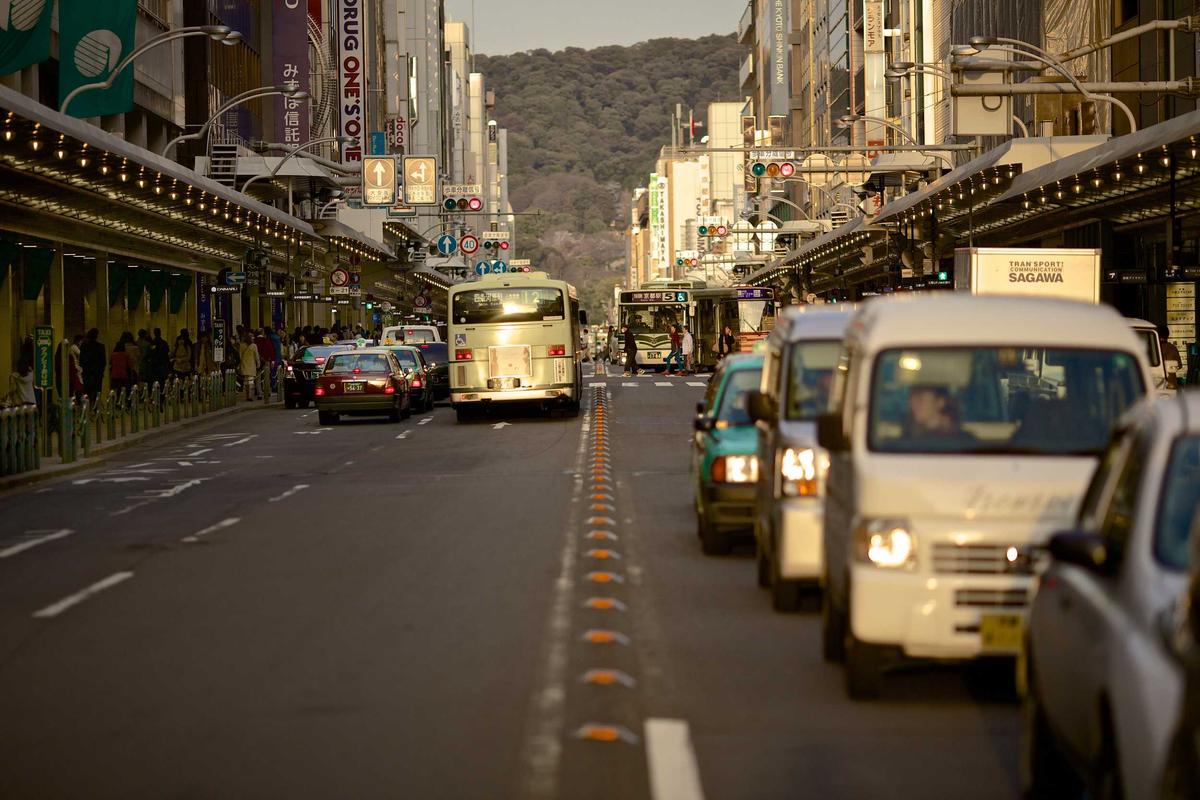
For working families in Rotherham, Hartlepool, and Hull, the news brings a familiar mix of relief and anxiety. Diesel prices at the pump have been a persistent source of strain, hovering above 150p per litre even as wholesale costs fall. A ban on Russian supplies could push prices higher in the short term, but ministers insist that new supply deals with Saudi Arabia, the United States, and domestic refineries will fill the gap.
“This is about more than geopolitics,” said a senior Whitehall source. “Every litre of Russian diesel bought in this country is funding the bombs that fall on Ukrainian cities. We have a moral duty to act, and we have the stockpiles and alternative routes to manage this transition.”
Yet the logistics are daunting. Russian diesel accounts for roughly 8% of UK imports, but the figure is higher for jet fuel, where Moscow supplies around a fifth of Britain’s aviation kerosene. The phase-out will require airlines to source from Norway, the Middle East, and the United States, with potential cost implications for holiday flights and freight.
Union leaders have been cautious. “Workers in transport, logistics, and manufacturing are still reeling from fuel price spikes last year,” said a TUC spokesperson. “If this ban pushes costs onto families, the government must act to cap margins and support those on the lowest incomes.” The call echoes the widespread anger over supermarket and energy profits during the cost of living crisis.
On the diplomatic front, Britain’s campaign has gained momentum after months of lobbying at the G7 and the United Nations. The plan envisions a coordinated ban on Russian refined oil products, using existing sanctions frameworks and additional bans on maritime insurance for tankers carrying Russian cargo. A Whitehall official described it as “the final piece of the sanctions jigsaw.”
But not everyone is convinced. Some EU nations, heavily reliant on Russian diesel for agricultural and industrial use, have urged a phased approach extending into spring. Hungarian and Slovak officials have been the most vocal opponents, warning of “catastrophic” energy shortages if the ban is rushed. The UK has offered technical support to help those countries find alternatives, but the timeline remains tight.
For the average British motorist and traveller, the immediate impact may be limited. The government has built strategic diesel reserves equivalent to several weeks of consumption, and new supply contracts with Saudi Arabia and the United States are already being signed. However, analysts warn that global diesel prices could spike if multiple countries announce simultaneous bans, adding to inflationary pressure.
This is not the first time Britain has led on energy sanctions. The UK was among the first to ban Russian oil and coal imports, and has contributed billions to Ukraine’s energy security. But the fight against Russian diesel is a different beast: it is the fuel that powers ambulances, trucks, and trains; it is the lifeblood of the winter economy. Its sudden removal, even when planned, carries risks.
As the New Year deadline approaches, the government faces a delicate balancing act: maintaining support for Ukraine while shielding British households from further price pain. The coming weeks will test whether diplomatic leadership can truly coexist with domestic stability, and whether the kitchen tables of Britain can weather yet another storm.