A British national is in hospital after being attacked by a brown bear at a steel manufacturing facility in northern Japan, prompting an immediate safety review for expatriate workers. The incident occurred on Tuesday morning at the Niigata Steel Works, a major industrial complex operated by Nippon Steel.
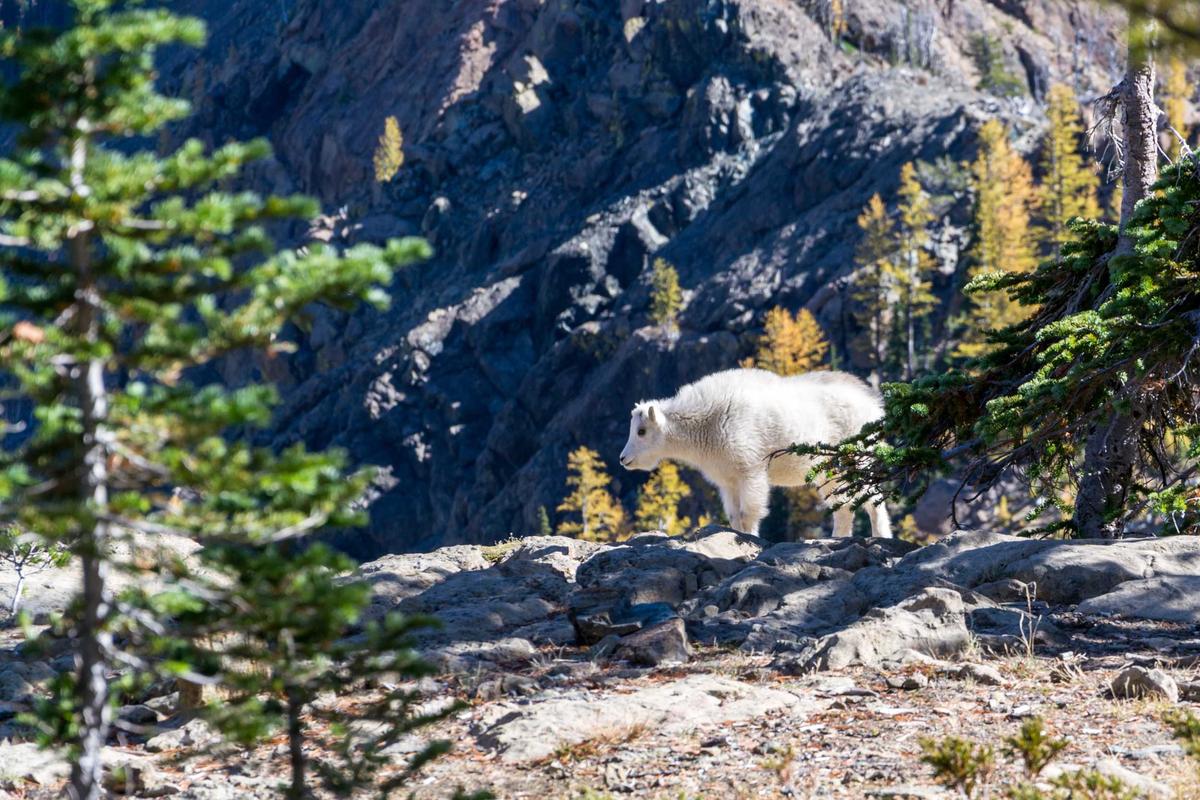
The victim, a 42-year old engineer from Manchester, was inspecting a perimeter fence when a brown bear, estimated to weigh 150kg, emerged from a wooded area adjacent to the plant. Despite attempts to deter the animal, the bear charged, inflicting deep lacerations to the man's arms and torso before being driven off by on-site security personnel firing warning shots.
Paramedics treated the man at the scene before transferring him to Niigata University Hospital, where he underwent emergency surgery. Hospital officials have described his condition as stable. The bear has not been located and remains at large, according to local authorities.
The attack has raised concerns about the adequacy of safety protocols for foreign workers employed at Japanese industrial sites, many of which are located in semi-rural areas bordering wildlife habitats. The British Embassy in Tokyo has confirmed it is liaising with Japanese authorities and the victim's employer.
A spokesperson for the Foreign, Commonwealth and Development Office said: “We are providing consular support to a British national who has been hospitalised in Japan following an incident. We are in close contact with the local authorities.”
Japan has experienced an increase in bear attacks in recent years, with 212 incidents recorded in 2023 according to the Ministry of the Environment, up from 157 in 2022. Human encroachment into bear habitats, driven by urban expansion and an ageing rural population, has been cited as a contributing factor.
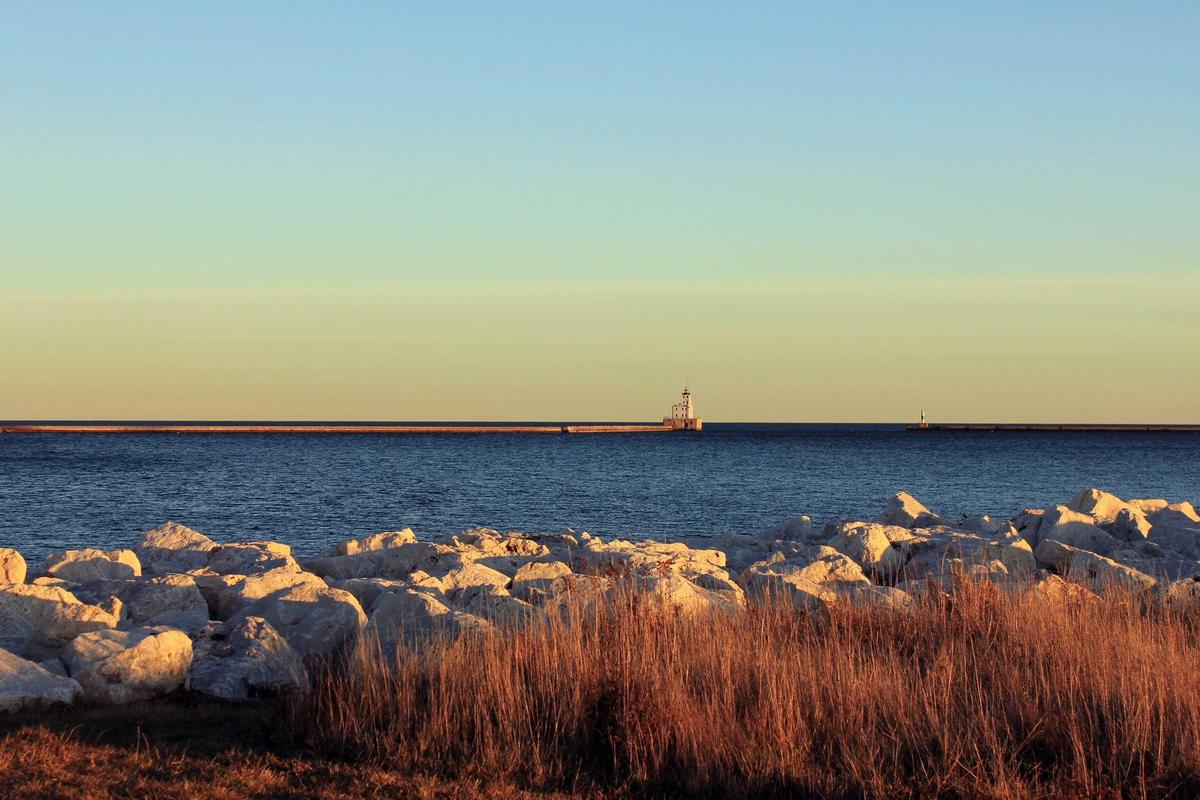
The Niigata Steel Works, situated on the Sea of Japan coast, is bordered by forested hills known to host Asiatic black bears and brown bears. Company officials have confirmed that a comprehensive review of safety measures for all employees, including expatriates, is underway.
“We deeply regret this incident and extend our best wishes for a full recovery to our colleague. We are reviewing our wildlife management procedures and working with local authorities to ensure the safety of all personnel,” a Nippon Steel representative said in a statement.
The event has underscored the unique risks faced by foreign workers in Japan's industrial sector, where language barriers and unfamiliarity with local wildlife can compound vulnerabilities. Trade unions representing expat workers have called for mandatory bear safety training and the installation of additional fencing and alarm systems at high-risk facilities.
As the search for the bear continues, local police have advised residents and workers in the area to remain vigilant. The incident serves as a stark reminder of the challenges inherent in maintaining industrial operations in proximity to natural habitats, particularly as climate change alters animal behaviour patterns.