A mountaineering guide has been rescued from the slopes of Mount Everest after surviving six days in the death zone, in an operation led by British climbers that has raised questions about the limits of high altitude survival and the ethics of rescue at extreme altitude.
The guide, identified as Pasang Sherpa, was discovered alive but severely frostbitten at 7,900 metres, just below the South Col, by a team of British climbers who had paused their own summit bids to coordinate the rescue. The operation, conducted over 48 hours in deteriorating weather, required multiple teams to carry the guide down through the hazardous Khumbu Icefall and into base camp.
Dr. Helena Vance, Science and Climate Correspondent. The physics of human survival at 8,000 metres are unforgiving. At that altitude, the partial pressure of oxygen is roughly one third of sea level. The body's cells begin to starve. Core temperature drops. Judgment clouds. After six days, the probability of survival without support is negligible. This man defied those odds, but the cost will be measured in lost fingers, toes, and likely long term organ damage.
The rescue has reignited debate about the commercialization of Everest and the duty of climbers to assist those in distress. Sherpa guides, who form the backbone of the climbing industry, face the greatest risks with the least contingency. Last season, 12 people died on the mountain. This season, five fatalities have already been recorded before the spring window closes.
Mount Everest is a geophysical feature, a mass of limestone and metamorphic rock pushed skyward by the collision of the Indian and Eurasian plates. It is also a thermometer. The thinning atmosphere at its summit is a physical constant. But the growing number of climbers, many of them inexperienced, is a social variable. The result is a system under stress.
The rescuing team, led by British mountaineers Simon Yates and Fiona Duby, used supplemental oxygen from their own tanks to stabilise the guide, reducing his oxygen deficit while they waited for support. His body temperature had dropped to 28 degrees Celsius, a level at which cardiac arrest becomes probable. They moved him by short increments, stopping to rewarm him with chemical heat packs and insulating foam.
This is not a story about heroism. It is a story about energy balance. The guide's body was losing heat faster than it could generate it. The rescuers intervened to shift that balance. At altitude, every calorie burned is a step toward hypothermia. Every litre of oxygen consumed is a step toward cerebral edema. The numbers matter.
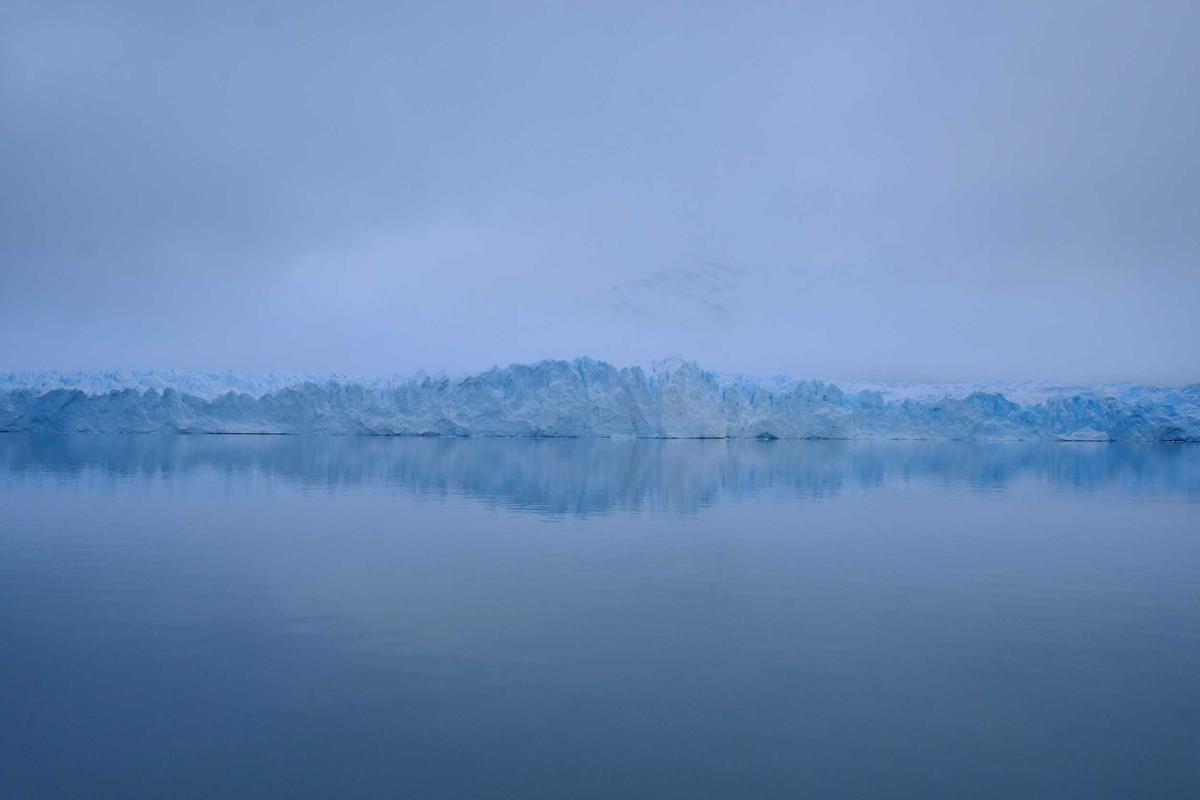
The broader context is one of accelerating change. The Khumbu Glacier is receding at a rate of 20 metres per year. The permafrost that holds the mountain together is thawing. Climbers report more rockfalls, more unstable seracs, more unpredictable weather. The mountain is becoming more dangerous, not less.
For the British team, the rescue meant abandoning their own summit attempts, an investment of tens of thousands of pounds and months of preparation. The guide's survival is a testament to the physical resilience of the human body but also a reminder of the fragility of life in the thin air and cold rock of the world's highest point.
As I file this report, the guide is being evacuated by helicopter to Kathmandu. His prognosis is guarded. The mountain, indifferent, continues to shed ice into the valley. The climbers who saved him are descending, their summit plans deferred. Everest remains the highest graveyard on Earth, a collection of bodies preserved at altitude, waiting for the slower process of erosion to carry them down.