As heat records tumble across the globe, a coalition of British scientists has issued a sombre warning that UK agriculture faces an existential threat from the accelerating climate crisis. The findings, published today by the Met Office and the University of Oxford, paint a stark picture: without urgent intervention, the nation's farms could face catastrophic crop failures within decades.
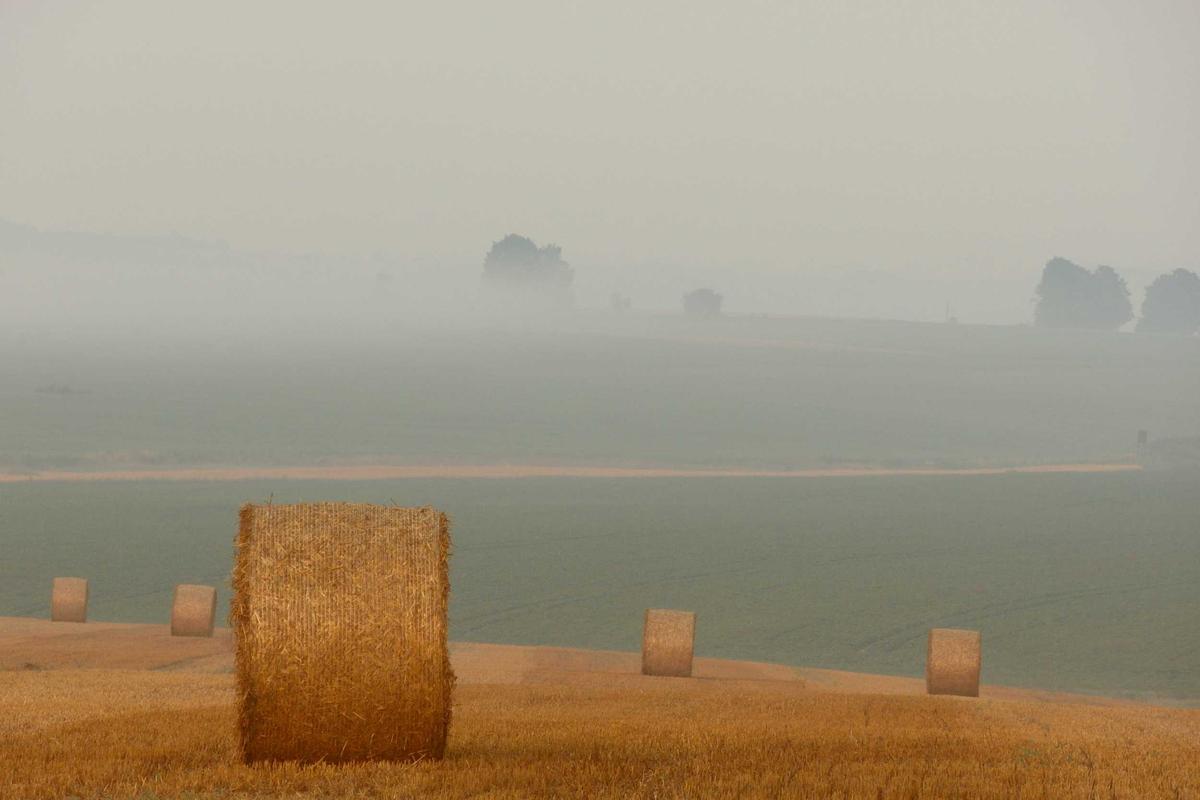
For the British farmer, this is not a distant abstraction. In the rolling fields of East Anglia, wheat yields have already dropped by 20% compared to a decade ago. Michael Hargreaves, a third-generation farmer in Suffolk, told me he has watched his spring barley wither under relentless sun. 'We used to complain about rain,' he said with a wry smile. 'Now we watch the sky and pray for a cloud.'
The science confirms what farmers have long suspected. Dr Eleanor Walsh, lead author of the report, explained that the UK's temperate climate is shifting northward, bringing Mediterranean heatwaves that the country's soil and crops were never designed to endure. 'We are seeing a fundamental change in our growing season,' she said. 'The rhythms that have guided agriculture for centuries are breaking down.'
The human cost is already visible. In Kent, hop growers are experimenting with drought-resistant varieties, while apple orchards in Herefordshire struggle with premature blossom. But the cultural shift is deeper. The British countryside, that idyllic patchwork of green fields and hedgerows, is being redrawn. The soft, damp climate that nurtured poets like John Clare and Constable's landscapes is giving way to something harsher, more arid.
Gareth Price, a dairy farmer in Wales, told me he has had to invest in irrigation systems for his pasture. 'My grandfather would not recognise this place,' he said. 'We are becoming a dry country, and no one voted for that.'
The economic impact is severe. The National Farmers' Union estimates that without adaptation, UK agricultural output could fall by 40% by 2050, pushing up food prices and deepening the cost of living crisis. But the social cost may be even greater. As small family farms fold, they are snapped up by agribusiness, consolidating land ownership and erasing a way of life that has defined rural Britain for generations.
In the villages around Salisbury, where ancient chalk streams are drying up, there is a sense of loss that goes beyond statistics. 'It's not just the crops,' said village shop owner Susan Bailey. 'It's the rhythm of the seasons, the shared knowledge of when to plant, when to harvest. That is disappearing.'
The scientists are clear: the window to act is narrow. They call for a radical overhaul of agricultural policy, investment in resilient crops, and a shift away from industrial farming. But as I walked through a parched field near Cambridge, listening to the silence broken only by the hum of a distant irrigation pump, I wondered if we have already passed a point of no return. The British landscape is changing, and with it, a part of who we are.