In a move that feels more like the end of an empire than a diplomatic handover, Burkina Faso has cut formal ties with France. The decision, announced in the capital Ouagadougou, marks a definitive turning point in the region's post-colonial evolution. For decades, France maintained a tight grip on its former colonies through military bases, currency ties, and opaque diplomatic channels. But that grip appears to have slipped.
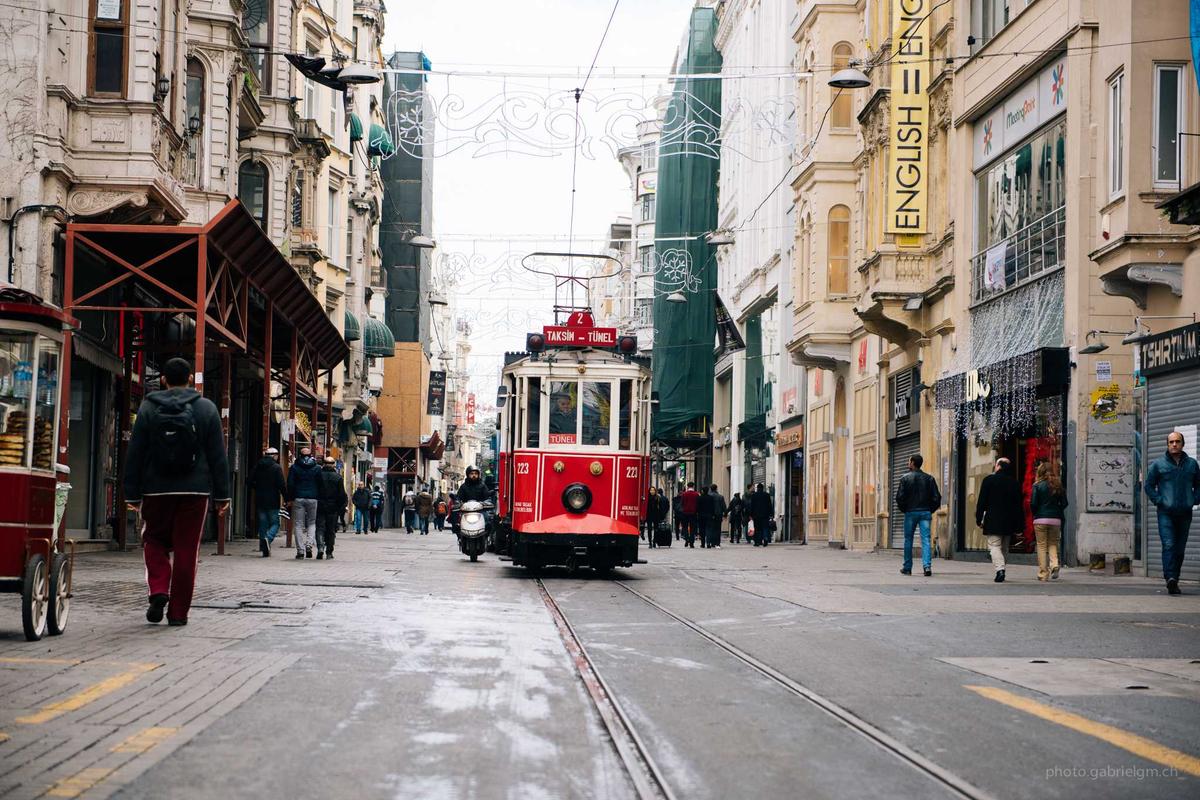
What does this mean for the ordinary Burkinabé? On the streets of Ouagadougou, the mood is mixed. Some see the severance as a long overdue step toward self-determination. Others worry about the economic consequences. France has been a major donor and trading partner. But there is also a palpable sense of fatigue. Young people I spoke to expressed frustration with what they see as a patronising relationship. 'We are not children who need a parent,' one student told me. 'We want partners, not masters.'
Enter Britain. The offer of a new strategic partnership is significant. It represents a pragmatic pivot for a post-Brexit Britain seeking influence in new markets. But it also carries a whiff of old colonial habits. Is this a genuine partnership, or a rebranded version of the same power dynamics? The terms of the deal remain vague. But the timing is telling. As France retreats, Britain steps in.
There is a cultural shift at play here. The West African Sahel is renegotiating its relationship with Europe. The language of sovereignty and mutual respect is now central. For the people in the dusty markets of Ouagadougou, the change is abstract. But they feel its weight. 'We hope the British will listen,' a shopkeeper said. 'We hope they will see us as equals.'
The human cost of this realignment is yet to be seen. But one thing is clear: the old order is crumbling. And in its place, something uncertain is rising.