Uber has released a list of the year’s most unusual lost items. Among the expected phones and wallets: live butterflies, a human breast milk supply, and a prosthetic leg. The dataset, spanning millions of trips, offers a peculiar window into modern mobility and the chaotic intimacy of shared vehicles.
As a science correspondent, I am less interested in the contents themselves than in what they signify. We have reached a point in our civilisation where a refrigerated vial of breast milk can be forgotten in a Toyota Prius. That is not a punchline. It is a data point on the graph of human behaviour.
Consider the live butterflies. They were likely meant for a release at a wedding or a memorial. The fact that they survived the journey, escaped detection, and were reported lost speaks to the resilience of lepidoptera in a world of vinyl seats and air conditioning. But it also speaks to our collective amnesia. We are a species that forgets its own rituals, its own necessities, its own nourishment.
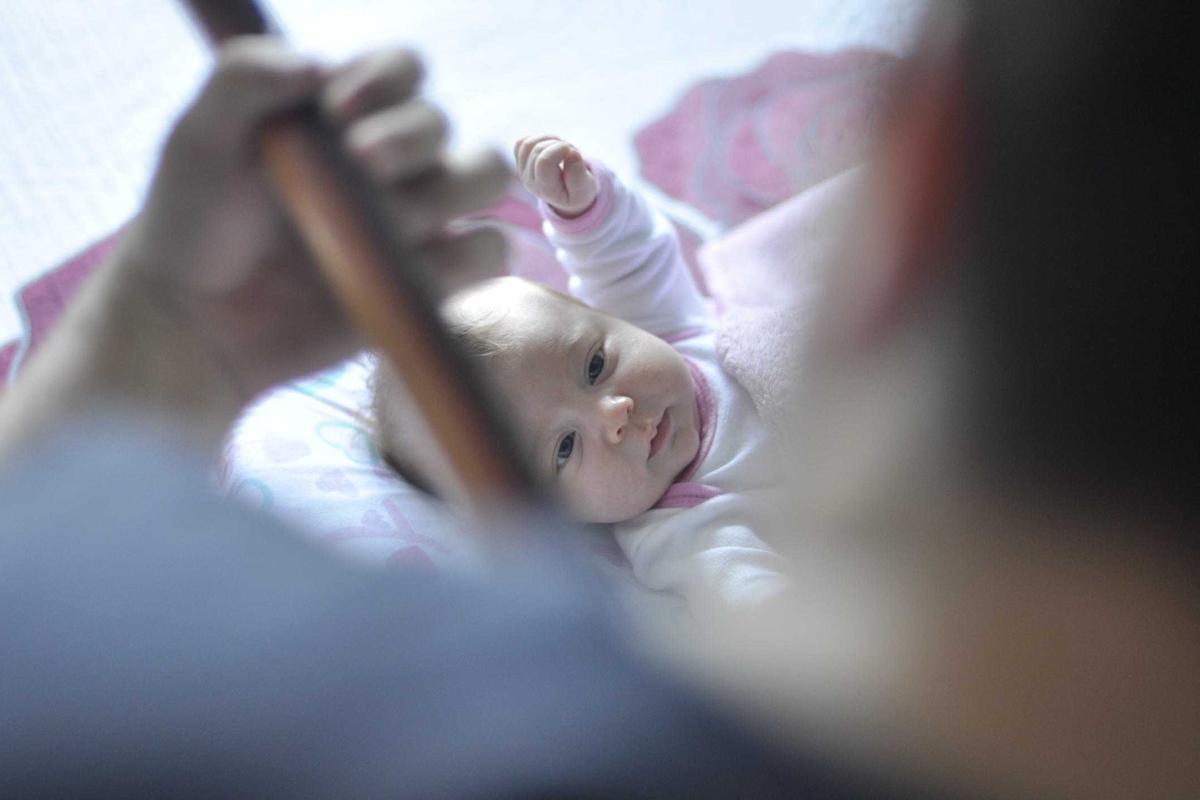
The breast milk is the most substantial item. It represents labour and biology. Someone pumped milk, stored it, and misplaced it. That is a failure of the system, not the individual. Our transportation infrastructure is not designed to accommodate the realities of a lactating body. So it becomes an anomaly, a headline, a joke.
The prosthetic leg is a different matter. It suggests a body fragmented, a temporary disassembly. Perhaps the owner removed it for comfort during the ride. Perhaps it fell off. Either way, it was left behind. And it was recovered. The limb is now back in circulation. But the data point remains: a part of a human being, forgotten in a backseat.
Uber’s lost-and-found data is not merely trivia. It is a measure of our metabolic rate. The more we move, the more we lose. As we accelerate the energy transition and attempt to decarbonise transport, we must also consider the human scale. Electric vehicles are quieter, faster, and cleaner. But they will still be containers for our distractions, our tiredness, our milk.
The list also includes a chainsaw, a bag of live crabs, and a wedding dress. Each item is a story truncated. The crabs were probably en route to a pot. The chainsaw to a job site. The wedding dress to an altar that may or may not have been reached. We don’t know. The dataset offers no resolution. It is pure entropy.
From a climate perspective, the lost items inventory is a parable of waste. We manufacture objects, transport them, and then abandon them. The carbon cost of that prosthetic leg is not just the plastic and metal it contains; it is the journey it took, the journey it did not take, and the journey of the replacement leg that will inevitably be ordered.
We are losing more than milk and butterflies. We are losing coherence. The biosphere is collapsing in part because we have become disconnected from the consequences of our movement. We Uber to the airport, fly across the ocean, and lose a suitcase. The suitcase ends up in a landfill. The flight ends up in the atmosphere.
Uber has kindly provided a mirror. Look into it. You will see a civilisation that can send a car to pick you up in five minutes but cannot keep track of its own live animals. That is the gap between technology and attention. We have solved the logistics of mobility but not the logistics of mindfulness.
The lost items list is a call to calibrate. As we electrify our fleets and roll out autonomous vehicles, we must build in not just sensors and algorithms but also a culture of retrieval. The milk must be returned. The butterflies must be released. The leg must be reattached.
Because what we leave behind is not just stuff. It is a record of our inattention. And in a warming world, inattention is a luxury we can no longer afford.