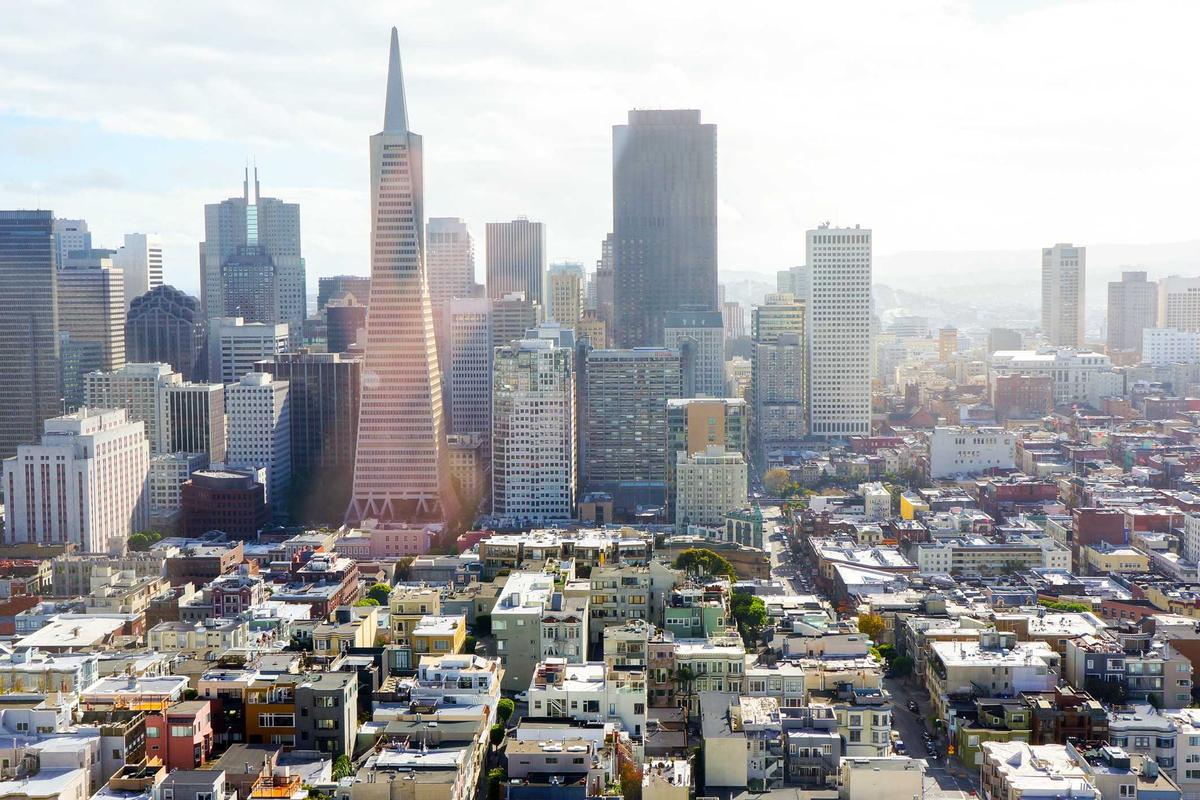
Los Angeles, a city of dreams, became a symbol of democratic dysfunction this week as vote counting in California’s primaries dragged on for days. While the world watched, the sunshine state’s electoral machinery sputtered, leaving candidates in limbo and voters questioning the very process they trusted. As a British observer, I can’t help but note the stark contrast with our own electoral standards, where results are usually known by breakfast time.
The California mess is not just a technical failure; it is a cultural one. It reflects a broader acceptance of delay, of complexity over clarity, of process over outcome. On the streets of London, we might grumble about the cold or the queue for the Tube, but we expect our vote counts to be swift and reliable.
The Californian delay feels like a betrayal of the democratic ideal. It is a human cost measured in anxiety, in lost faith, in the quiet erosion of civic trust. The losers are not just the candidates who wait, but the millions of citizens who wonder if their voice truly counts.
This is not a partisan point; it is a societal one. Britain’s electoral integrity is not a boast, but a standard we must uphold. California’s delays should serve as a warning: without rigorous systems, democracy itself can feel like a lottery.