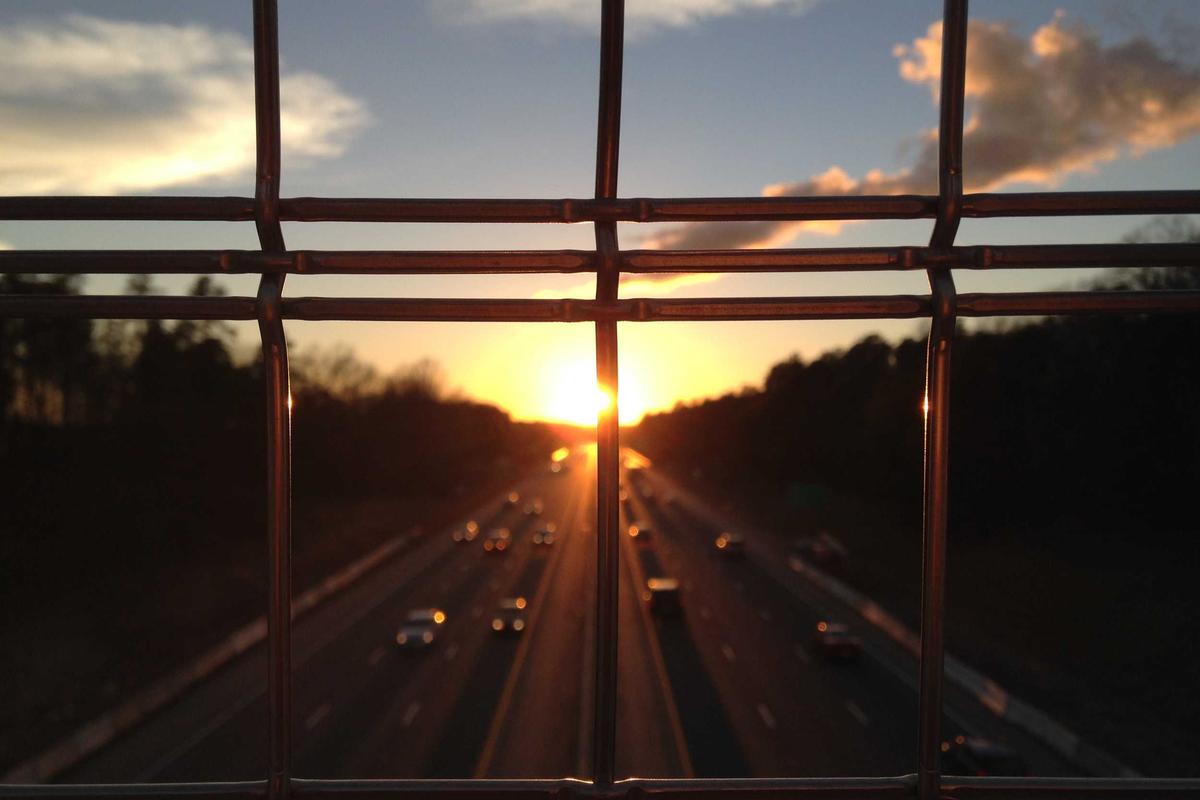
California is burning again. Fast-moving wildfires are sweeping across the state, forcing evacuations and threatening critical infrastructure near major highways. The fires, driven by an unrelenting drought and record-breaking temperatures, have consumed tens of thousands of acres in a matter of hours. As of this reporting, containment remains near zero for the largest blazes.
This is not a problem unique to California. Across the globe, landscapes are becoming more flammable. The physical reality is simple: warmer air holds more moisture, drawing it from soils and vegetation. When that fuel is primed, any ignition source, from a lightning strike to a power line, can trigger a catastrophic event. The UK is not immune. While we may not share California’s chaparral ecosystem, our peatlands, heathlands, and even urban green spaces are becoming increasingly vulnerable. The Met Office has already warned that UK summers could see similar fire danger conditions by mid-century if emissions continue unabated.
The UK Climate Resilience Programme offers a blueprint for adaptation. It emphasises managed retreat from high-risk zones, controlled burns to reduce fuel loads, and building codes that incorporate fire-resistant materials. California has begun adopting these measures, but the scale of the challenge is immense. The state’s population growth in the wildland-urban interface has created an impossible tension between development and natural fire cycles.
One critical lesson from California’s crisis is the need for robust energy infrastructure. When fires threaten power lines, utilities shut them off to prevent sparks, leaving millions without electricity. This underscores the urgency of decentralised renewable energy, including microgrids and battery storage, which can operate independently during emergencies. The UK’s energy transition must prioritise resilience alongside decarbonisation.
Another parallel is the role of public communication. California’s emergency alert systems have improved, but many residents still fail to evacuate early enough. In the UK, where wildfires are still rare, public awareness is dangerously low. We need clear, consistent messaging about risk and evacuation routes, not just for heatwaves but for all climate-related hazards.
The data is unequivocal: the carbon budget is shrinking. Every tonne of CO₂ we emit locks in more warming, more drought, and more fire. Solutions exist, but they require political will and collective action. The fires in California are a mirror held up to our future. The question is whether we will look away or act.
As a scientist, I see the numbers every day. The planet’s energy imbalance is accelerating. The fires are not an anomaly. They are a symptom of a system under stress. The UK can lead by example, not just in cutting emissions but in proving that climate resilience is possible. We must build a society that can withstand the shocks ahead while simultaneously working to prevent the worst-case scenario. That is the calm urgency of our time.