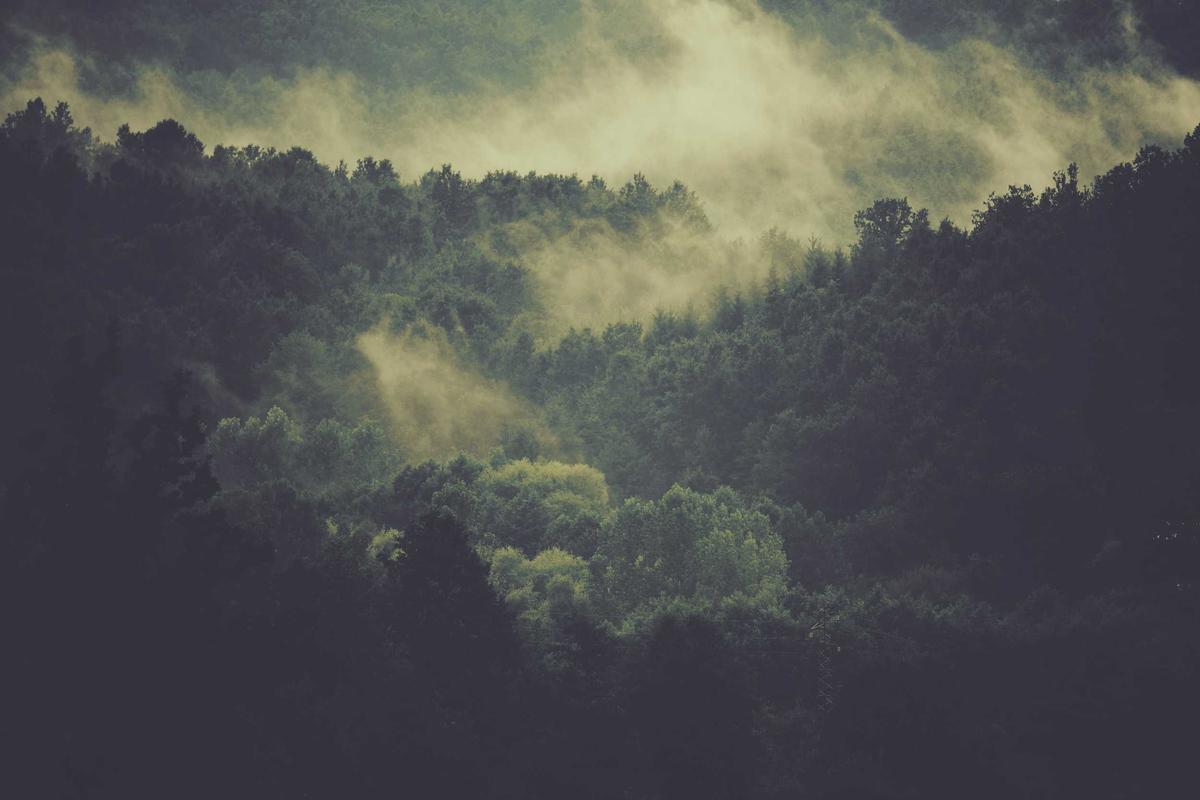
The satellite imagery is stark. Plumes of smoke from multiple wildfires are converging on Californian motorways, turning arteries of commerce into corridors of ash. As Governor Gavin Newsom faces a Justice Department investigation, the physical reality of a warming planet continues its relentless advance. This is not a political story. It is a thermodynamic one.
Fire is the release of stored energy. For decades, California’s forests have accumulated fuel: dead trees from drought, tinder-dry undergrowth from a century of fire suppression, and a climate that is now consistently hotter and drier. The state’s wildfire season has lengthened by 75 days since the 1970s. The area burned annually has increased fivefold. These are not anomalies. They are the expected consequences of a 1.2°C global temperature rise.
The current fires, driven by Santa Ana winds, are exhibiting extreme behaviour. Pyrocumulonimbus clouds, fire-generated thunderstorms, have been observed, injecting smoke and aerosols into the stratosphere. This feedback loop further warms the atmosphere, creating conditions for more intense fires. The evacuation of neighbourhoods near highways is a grim routine. But the data show that the risk is not uniform: low-income communities and communities of colour are disproportionately exposed to fire and subsequent air pollution.
Governor Newsom’s administration has pursued ambitious climate targets, including a ban on new petrol car sales by 2035. Yet the Justice Department probe into his administration’s handling of environmental regulations, including water management and logging practices, highlights a fundamental tension. State-level action is necessary but insufficient without federal and global cuts to emissions. California’s emissions have fallen by only 11% since 2000, and much of that is due to outsourcing manufacturing abroad.
The real story is the gap between rhetoric and physical reality. The state’s firefighting budget has doubled, but fire seasons continue to intensify. The only durable solution is reducing the energy imbalance: stopping the accumulation of greenhouse gases. Every degree of warming increases extreme fire weather conditions by 10-15%. We are currently on track for 2.5-3°C of warming this century. The mathematics are brutal.
As the smoke clears, the headlines will fade. The data will not. The energy that drives these flames comes from our fossil fuel economy. Until we transition to a zero-carbon system, these scenes will become more frequent, more intense, and more normal. The motorways will be closed again. The communities will rebuild. And the planet will continue to warm. The calm urgency of this moment demands more than political probes or symbolic policies. It demands a fundamental shift in how we power our civilisation.
The fires are a physical experiment. We continue to run it, ignoring the results.