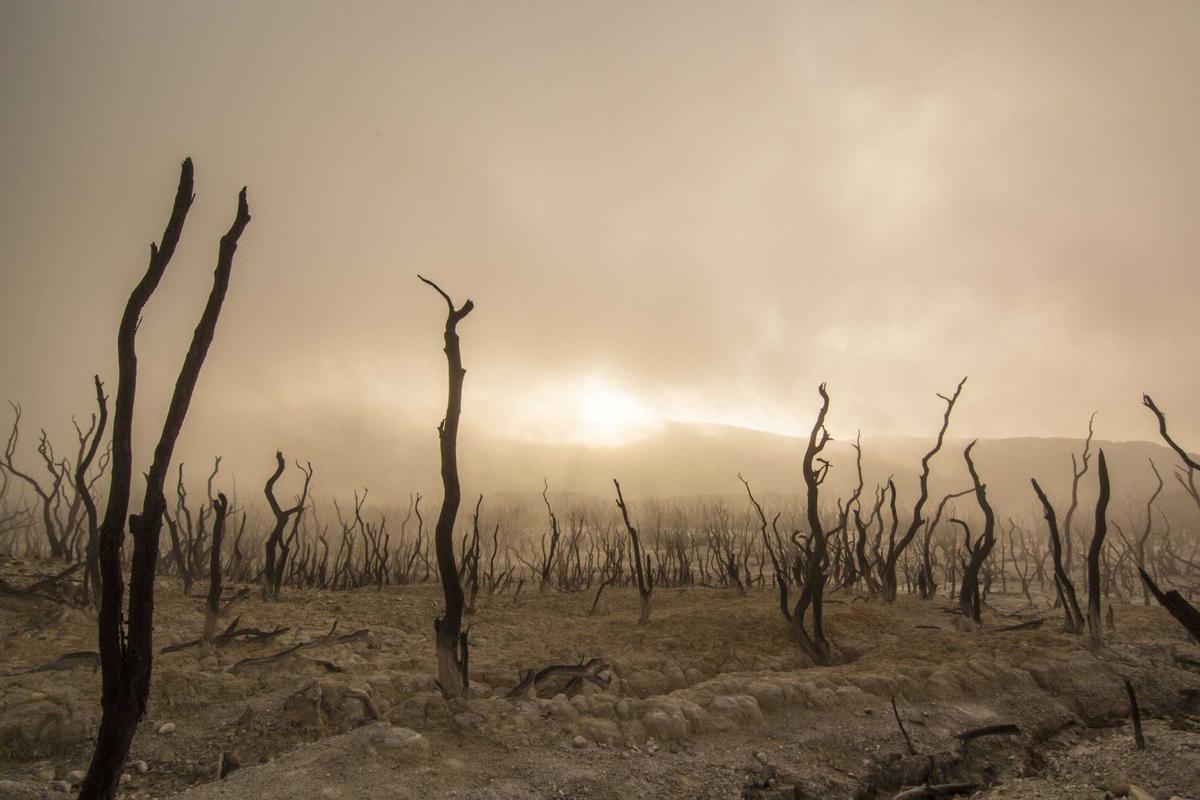
A powerful earthquake has torn through Venezuela, compounding a nation already fractured by political paralysis. The US Geological Survey confirmed a 7.4 magnitude quake, its epicentre near the coastal state of Falcón, sending tremors across the Caribbean and triggering tsunami warnings that have since been lifted. The timing is a cruel twist of fate: Venezuela’s government is in disarray, with President Nicolás Maduro’s administration weakened by international sanctions and internal dissent, and the opposition still reeling from a disputed election. The resulting humanitarian crisis may be the worst in the region for decades.
In an unprecedented move, the Royal Navy has repositioned assets, including the HMS Queen Elizabeth carrier strike group, to support disaster relief. Defence Secretary John Healey stated: “We stand ready to provide aid, medical support, and engineering expertise. Our carriers are mobile airfields and hospitals. We will use them to save lives.” The deployment follows a request from the Venezuelan Red Cross and the United Nations, bypassing the shattered local government.
The quake struck at 2:47 AM local time, levelling entire neighbourhoods in Coro and Punto Fijo. Early reports suggest thousands are dead, with tens of thousands missing. Hospitals, already crippled by shortages of medicine and electricity, have been overwhelmed. The political chaos has prevented a coordinated national response. With no clear chain of command, rescue efforts have been spearheaded by local communities and international partners.
Digital networks have become both a lifeline and a vector for misinformation. Social media platforms are flooded with AI-generated images of devastation, some real, some synthetic, complicating relief coordination. Venezuelan citizens, empowered by self-organising mesh networks, are sharing verified locations of survivors using encrypted apps, a testament to grassroots resilience in the face of state collapse.
This event is a stark reminder that technology, for all its promise, can amplify both human solidarity and societal fragility. Quantum computing might one day predict earthquakes, but today we are left with the analogue reality of rubble and grief. The Royal Navy’s intervention sets a precedent: when sovereign states fail, the international community may need to step in, but without clear mandates, such missions risk being perceived as neo-colonialism. The user experience of society, to borrow a phrase, has a poor interface with disaster.
As reports filter through, one thing is certain: Venezuela’s future, whether rebuilt or reborn, will be shaped by the algorithm of its own survival. We must ensure that digital sovereignty and AI ethics guide not just our technologies, but our response to tragedy.