The scene at the Haoyuan coal mine in Guizhou province is bleak. Emergency workers in white hazmat suits move through the debris, while families wait for news. The official death toll from the explosion on Wednesday has reached 53, with 14 still missing. It is China’s worst mining disaster in a decade, and for the families, the wait for answers is agonising.
Dr. Helena Vance, Science & Climate Correspondent: While my focus is usually on the biosphere’s slow unraveling, this is a different kind of tragedy. It is a raw, immediate human crisis. But it is also a data point. China produces half of the world’s coal, and its mines are among the most dangerous. In 2019, the country recorded 171 mining accidents, killing 316 people. This year, despite a months-long safety crackdown, we have just seen the deadliest single incident since 2009.
The physics are unforgiving. A coal mine explosion is a rapid oxidation of methane or coal dust, a detonation wave that travels at supersonic speed. The pressure can collapse tunnels instantly. For the miners, there is no warning, only a flash and then silence. Rescue teams are now racing to find survivors, but the chances diminish with each hour. The atmosphere underground becomes toxic with carbon monoxide and nitrogen oxides, products of incomplete combustion that bind to haemoglobin more tightly than oxygen. Those not killed by the blast face asphyxiation.
Questions remain about the cause. The mine had been inspected in July and deemed safe, but such assurances have proved hollow before. Critics point to a relentless demand for coal this year as China’s economy rebounds. Thermal coal prices have soared, and mines are under pressure to increase output. Safety protocols, already thin, are stretched.
This is not just a Chinese story. It is a story of our energy transition, or lack thereof. Coal remains the backbone of global electricity generation, accounting for 36% of the world’s power in 2020. Its extraction and combustion carry a tangible cost: not just the long-term climate impact, but the immediate human cost of extraction. China, the world’s largest coal consumer, is also the largest greenhouse gas emitter. Each ton of coal burned adds to the atmospheric burden. The coming years will see a massive shift to renewables, but that transition must be managed with an understanding of the present reality. The Haoyuan mine explosion is that reality.
For the families in Guizhou, the wait for news is a void. They gather at the mine entrance, clutching photos and mobile phones. The rescue operation continues. But the questions persist: Could this have been prevented? Will the safety reviews yield action? And in a world that still demands coal, how many more such tragedies will we accept?
The biosphere does not care about our political systems. It responds to physical laws. The same laws that govern the explosion in a coal mine also govern the planet’s energy balance. We ignore them at our peril.
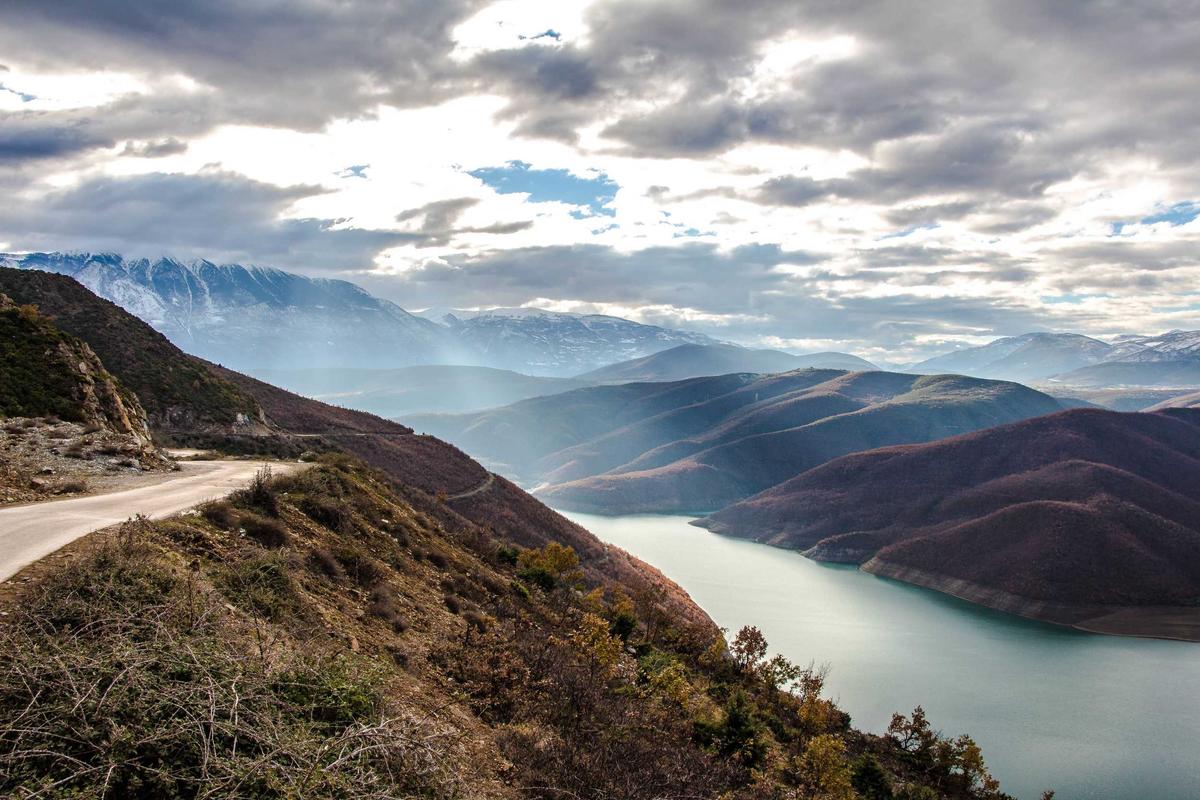
As the sun sets over the mountains of Guizhou, the rescuers dig on. The families wait. And the rest of us watch, reminded that behind every statistic is a life, a family, a community. The planet’s warming may seem abstract, but its consequences are as real as the blast that tore through the Haoyuan mine.