In a grim milestone for biodiversity loss, new data confirms that extreme rainfall events linked to human-driven climate change have killed 7% of the world’s remaining Tapanuli orangutans. The population, already critically endangered and confined to a single forest ecosystem in Sumatra, has been reduced by an estimated 70 individuals in the past two weeks alone.
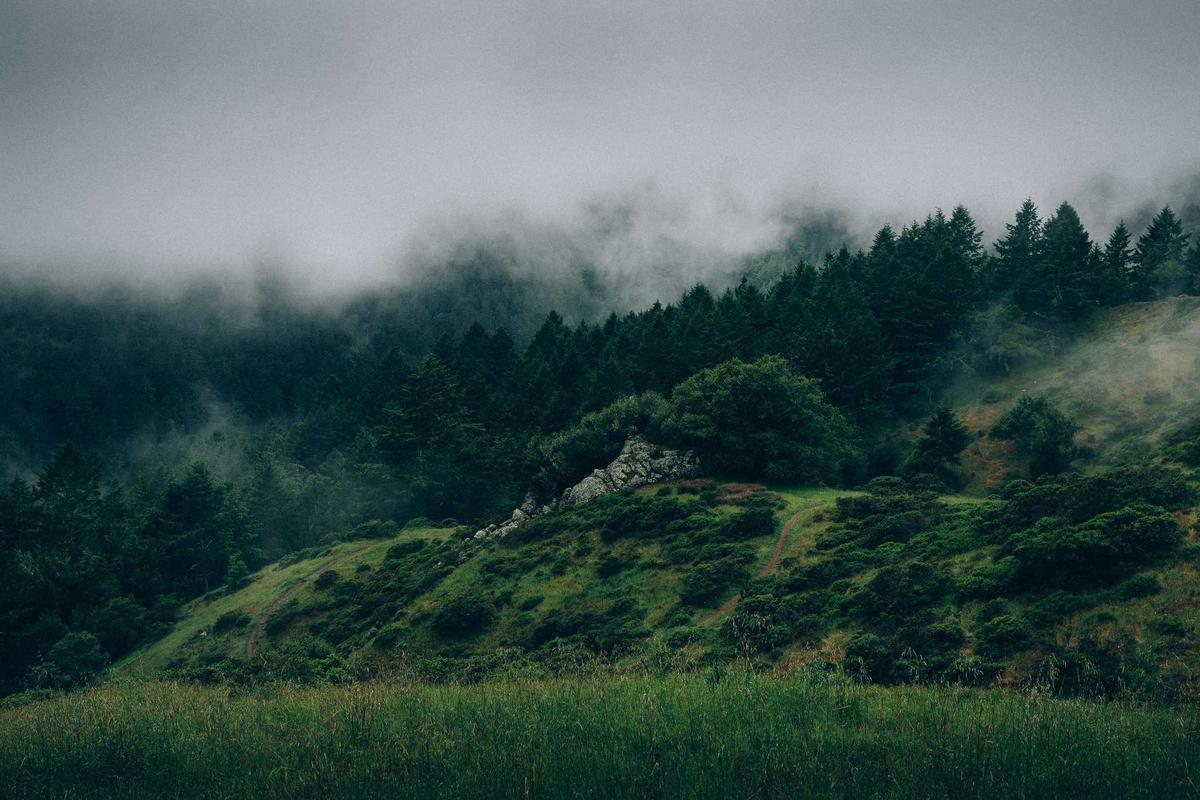
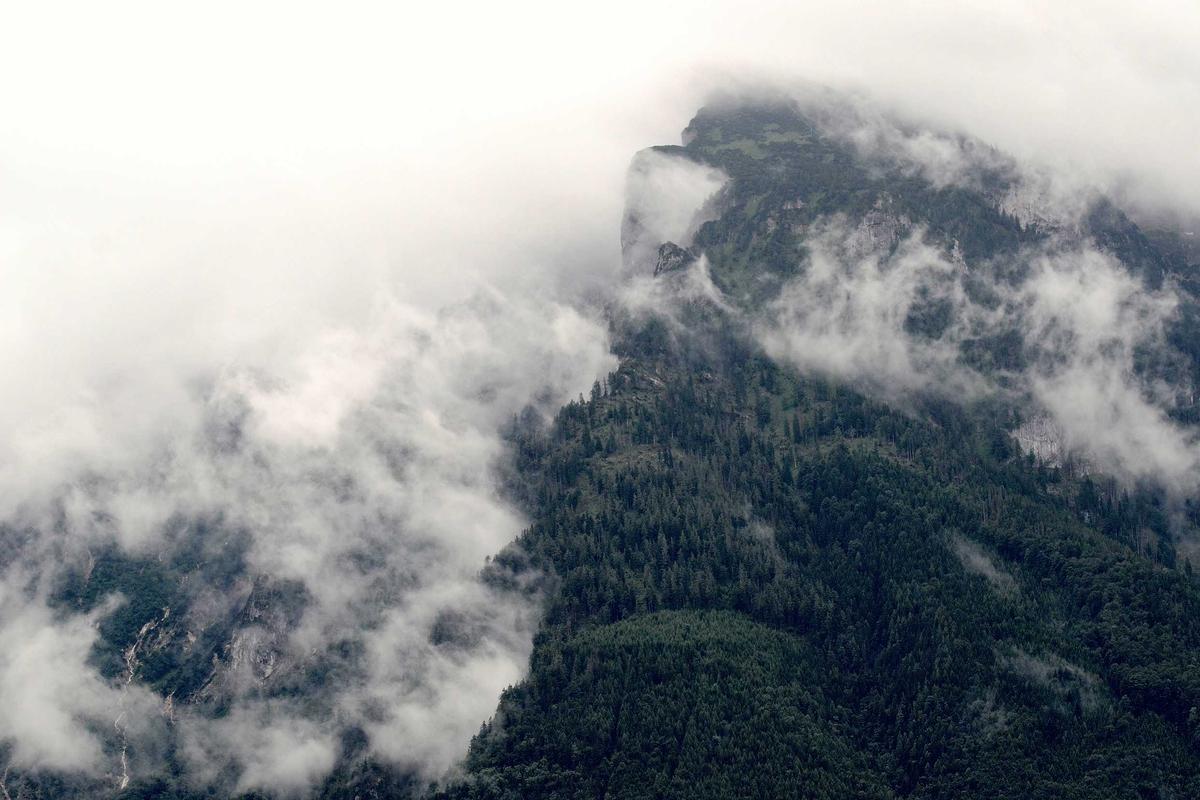
The event is a stark illustration of what climate scientists have long predicted: that rising global temperatures will intensify the hydrological cycle, leading to more frequent and severe downpours. The Tapanuli orangutan (Pongo tapanuliensis) was only identified as a distinct species in 2017, with fewer than 800 individuals believed to exist. Their habitat, the Batang Toru ecosystem, is a mountainous region that has historically provided refuge. But this year’s monsoon, supercharged by a warming atmosphere, triggered landslides and flash floods that swept through critical lowland areas.
Dr. Helena Vance, Science & Climate Correspondent, explains: “The physics is clear: for every degree Celsius of warming, the atmosphere holds 7% more moisture. This extra water must come down somewhere. In mountainous terrain, that means catastrophic runoff. These orangutans were already living on the edge of extinction; they cannot absorb a 7% loss in a single weather event.”
Field reports from the Indonesian government and conservation groups confirm that at least 72 orangutans have been found dead, with many more missing. Rescue teams have managed to evacuate a handful of survivors, but the destruction of fruit trees and nesting sites will hinder recovery. “This is not just a death toll,” says Dr. Vance. “It is a collapse of the ecosystem’s carrying capacity. The remaining habitat is fragmented and degraded. We are watching a species blink out in real time.”
The Tapanuli orangutan is the rarest great ape on Earth. Their extinction would be the first of a great ape species in modern history. Current climate projections suggest that without rapid emissions reductions, extreme rainfall events in the region could become 30% more intense by 2050.
This tragedy is a microcosm of a broader biosphere collapse. Wetlands, forests, and coral reefs are all being stressed beyond their tipping points. The energy transition from fossil fuels remains dangerously slow. Despite record investments in renewables, global carbon dioxide emissions hit an all-time high in 2023.
Technological solutions like carbon capture and enhanced weathering are being developed, but they are not yet scalable. “We have the tools, but not the will,” says Dr. Vance. “Every tonne of CO2 we emit is a nail in the coffin for species like this orangutan. The maths is unforgiving.”
For now, the survivors of Batang Toru cling to existence in a rapidly changing world. Their fate hangs on a knife edge, dependent on immediate conservation efforts and a swift global pivot away from fossil fuels. The rain will come again. The question is whether there will be any orangutans left to weather it.