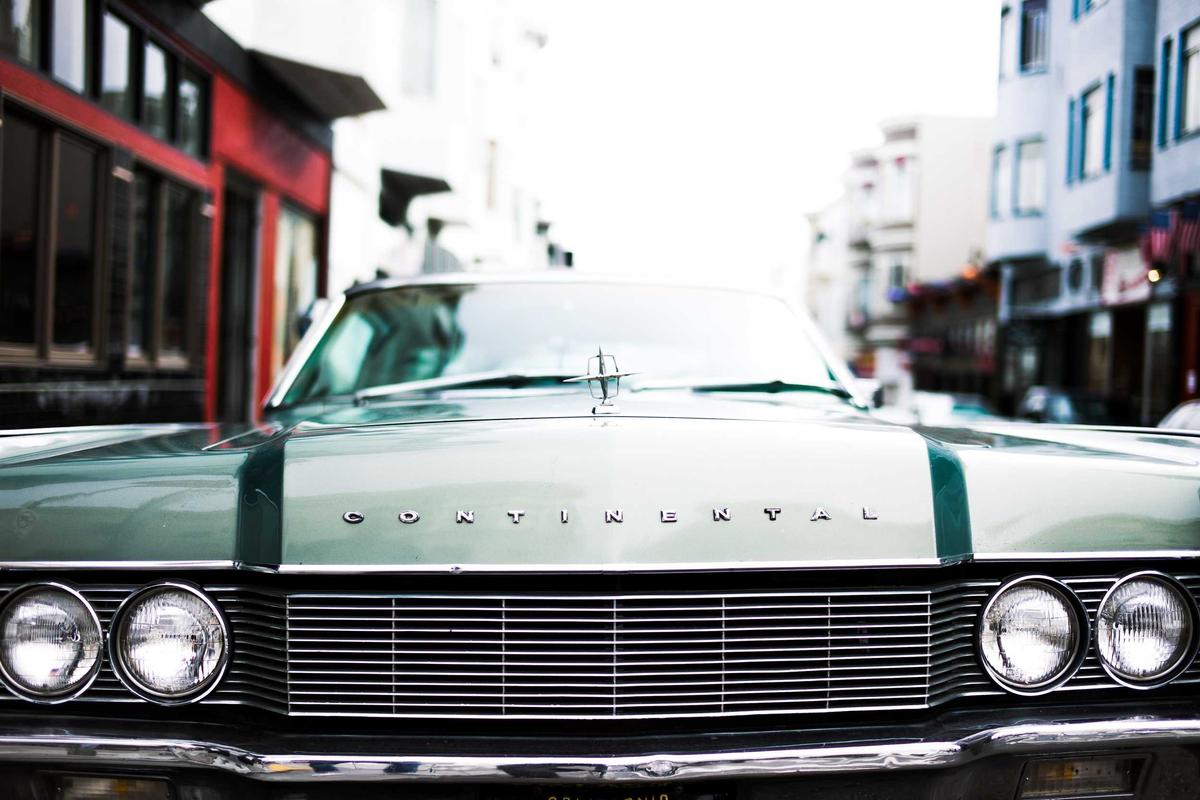
The British convertible, that icon of open-top motoring and a symbol of our engineering heritage, is dying. Not with a dramatic crash, but with the quiet whimper of a failing battery. The electric revolution, once heralded as a saviour of the planet, is now devouring one of the most cherished traditions of automotive design. And we, the British, are letting it happen without a fight. Why? Because we have lost sight of what makes a car more than a mere appliance.
Consider the classic British roadster: the MG B, the Triumph Spitfire, the Lotus Elan. These were not just vehicles; they were expressions of freedom. They had character, flaws, and a soul that could only be forged from the marriage of steel, rubber, and gasoline. They were noisy, leaky, and unreliable. But they were alive. The electric convertible, by contrast, is a dead thing. Silent, sterile, and burdened by a heavy battery pack that sits in the floor like a tombstone, it lacks the visceral drama that made the open-top experience a rite of passage for generations.
The industry tells us that the decline of the convertible is inevitable, a casualty of aerodynamic efficiency and range anxiety. But this is a lie. The real culprit is intellectual decadence. We have surrendered our engineering pride to the tyranny of emissions targets and the cult of the spreadsheet. We no longer build cars for the joy of driving; we build them for the joy of data points. The convertible is a victim of our collective failure to imagine a future that honours its past.
Just as the Fall of Rome was preceded by a loss of civic virtue, so too does the demise of the convertible signal a deeper rot in our national character. The British were once pioneers of lightweight, nimble sports cars. Now we cower behind the skirts of EU regulations and globalist corporate strategies. We have forgotten that a car can be an object of art, a statement of identity, a finger in the eye of the mundane. The electric convertible is the ultimate sell-out: a car that pretends to be sporty but can't even produce a decent exhaust note.
Let me be clear: I am no Luddite. I welcome innovation and the potential for cleaner transportation. But the electric revolution, as currently conceived, is a monoculture. It offers us homogeneity in the name of sustainability, and we are expected to be grateful. The convertible's fate is a warning: if we allow the bean counters to dictate our automotive destiny, we will lose not only the convertible but also the very essence of British engineering: the art of making machines that inspire emotion.
So here is my contrarian proposal: let us not mourn the convertible but instead rebel. Demand that manufacturers build electric convertibles that are light, raw, and impractical. Insist on removable roofs that don't fold in ten seconds but require human effort. Reject the tyranny of the touchscreen and the nanny-state safety systems that neuter the driving experience. In other words, let us become Romantic anarchists of the road, nostalgic for a petrol-drenched past but cunning enough to drag its spirit into the electric age.
The convertible is fading, yes. But whether it becomes a museum piece or a phoenix depends on whether we still have the cojones to be British engineers, not globalist accountants. The choice is ours. If we continue on this path, we deserve what we get: a world of silent, soulless pods that move us from point A to B without a whisper of rebellion. And that, my friends, is not progress. It is surrender.