A British security firm has called for a comprehensive review of monument security after a couple successfully scaled the Empire State Building in New York, triggering a police response and raising serious questions about the vulnerability of iconic structures. The pair, identified as a 28-year-old man and a 26-year-old woman, were arrested on Monday morning after they ascended the building's exterior using climbing gear, reaching the 86th-floor observatory before being apprehended by authorities.
The incident, which unfolded around 7 a.m. local time, saw the climbers evade multiple security checkpoints and motion sensors. Witnesses reported seeing the pair scaling the facade with professional ease, pausing occasionally to take photographs. The New York Police Department confirmed that the suspects, whose names have not been released, were charged with reckless endangerment and trespassing.
In response, London-based security firm SentryTech Global issued a statement urging a global reassessment of protective measures at high-profile landmarks. "This stunt, while brazen, underscores a systemic failure in perimeter security," said CEO Alistair Finch. "We are seeing a rise in 'urban exploration' trends amplified by social media. Monuments like the Empire State Building are not just symbols of architectural achievement but also soft targets for those seeking notoriety."
SentryTech advocates for the adoption of AI-powered surveillance systems that use predictive analytics to identify anomalous behaviour, such as individuals carrying climbing gear or loitering in restricted zones. Finch emphasised that the solution requires a balance between security and the preservation of the public's experience. "We cannot turn these spaces into fortresses. But we can use technology that learns and adapts, flagging risks in real time without compromising the freedom that makes these sites so cherished."
The Empire State Building, which attracts over 4 million visitors annually, has faced previous security breaches, including a 2019 incident where a man climbed the spire to protest immigration policies. However, Monday's event marks the first successful ascent in over a decade, reigniting debates about the adequacy of existing measures.
Critics argue that the proposed AI systems could infringe on civil liberties, creating a surveillance state. Dr. Maya Patel, a digital rights scholar at the University of Cambridge, warned that "predictive policing" often disproportionately targets minorities. "The line between safety and discrimination is razor-thin," she said. "Before we install algorithms that judge intent, we must ensure they are transparent and accountable."
The couple, both experienced climbers, reportedly documented their ascent on social media, garnering thousands of followers before the account was suspended. Their motivations remain unclear, but law enforcement officials suspect it was a publicity stunt. One officer, speaking on condition of anonymity, said: "They knew exactly what they were doing. This was not a spontaneous act."
The incident has also sparked discussions about the role of social media platforms in glamourising such acts. Platforms like Instagram and TikTok have been criticised for algorithmically promoting extreme content, incentivising risk-taking for views. The couple's account had shared previous climbing ventures at other landmarks, including the Shard in London and the Eiffel Tower in Paris.
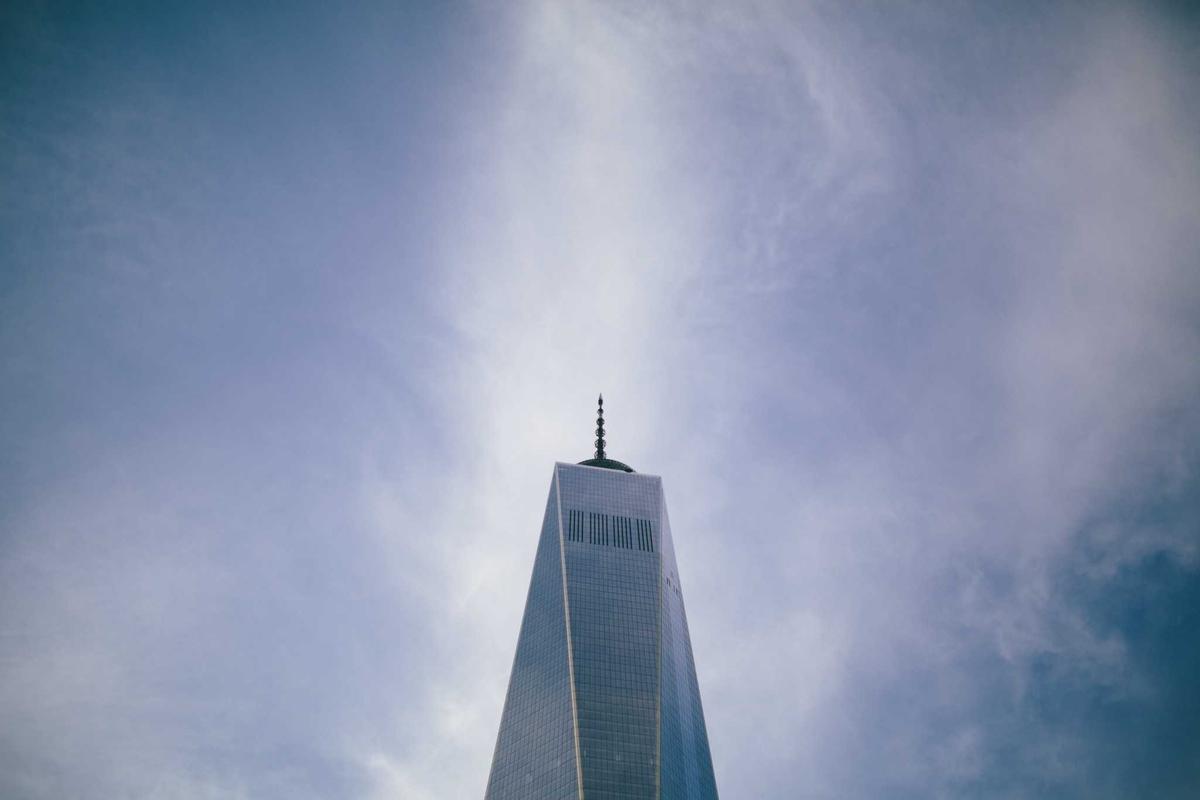
As the debate rages, the New York City Landmarks Preservation Commission has announced a task force to review security protocols at all major monuments, including the Statue of Liberty and One World Trade Center. Meanwhile, SentryTech's call for a global review has been echoed by other firms, with some proposing the use of drones for perimeter monitoring.
The question remains: how do we protect our symbols of progress without turning them into symbols of fear? The answer, perhaps, lies in a collaborative approach between technology, legislation, and public awareness. But for now, the focus is on the two individuals who managed to remind us that even the most secure structures have a human-sized vulnerability.