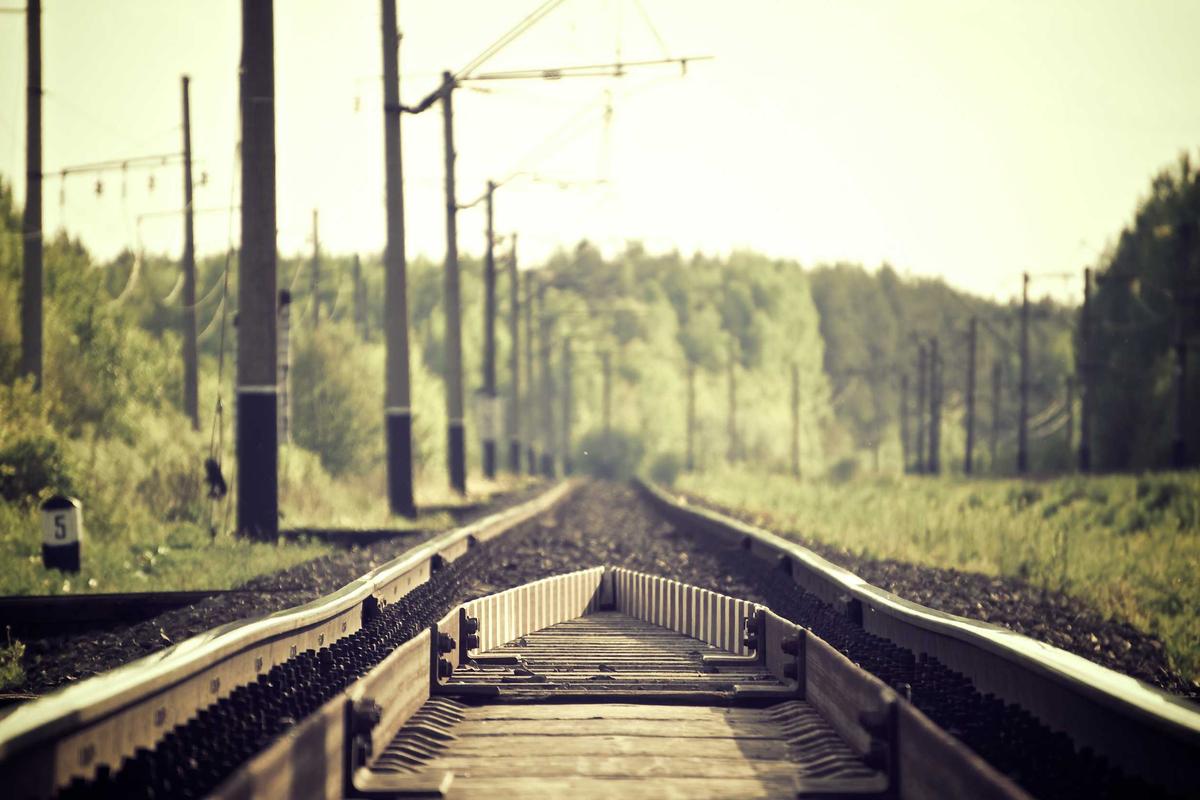
The crash came without warning. A local train, packed with morning commuters in Cártama, a quiet Andalusian town, derailed just outside the station. Seventeen people were injured, two critically. Witnesses described a screech of metal, then silence, then screams. The cause is under investigation, but the human toll is already clear: fractured bones, shattered nerves, and a community left reeling.
For the passengers, it was an ordinary Tuesday. Maria, a 34-year-old teacher, was reading a novel. José, a retired mechanic, was dozing after his morning coffee. Then the world lurched. Carriages tipped, luggage flew, and people were thrown against seats. The aftermath is a catalog of small tragedies: a young woman with a broken arm, an elderly man with a head wound, a father who cannot stop shaking as he recalls the moment he thought he had lost his daughter.
The immediate response was swift. Emergency services arrived within minutes, and hospitals in Málaga were put on alert. But the deeper damage is slower to heal. In the waiting rooms, families clutch each other, their faces etched with a fear that will not fade. The local school has set up a counseling center for children who witnessed the scene. It is a scene that has become all too familiar across Europe.
This disaster is not an isolated incident. From the 2013 Santiago de Compostela derailment that killed 80 to the 2019 Livraga crash in Italy, Europe's railways have a troubling record of preventable accidents. In Spain alone, there have been 15 major train incidents in the past decade, each prompting calls for reform that quickly fade. The pattern is clear: a crash, an inquiry, recommendations, and then the slow creep of complacency.
The question is why. Underinvestment is part of the story. In many countries, rail infrastructure is aging, and maintenance budgets are stretched. But there is also a cultural shift: a growing tolerance for risk in the name of efficiency. High-speed networks are prioritized over local lines, and cost-cutting measures compromise safety. The human cost is measured in lives and limbs, not spreadsheets.
For those injured in Cártama, the future is uncertain. Recovery will be slow, and the economic burden heavy. Many are self-employed or work in the informal economy; sick leave is a luxury they cannot afford. The community has rallied, raising funds and offering support, but the scars run deep. This is the quiet aftermath that rarely makes headlines: the missed mortgage payments, the sleepless nights, the children who flinch at the sound of a train horn.
Europe must heed this wake-up call. Not with hollow words of sympathy, but with a genuine commitment to safety. That means increased investment, stricter oversight, and a culture that values human life over profit. It means recognizing that every statistic is a person with a story, a family, a future. The 17 injured in Cártama are not just numbers; they are a reminder of our collective responsibility.
As the sun sets over the rubble, the cleanup begins. The tracks will be repaired, the trains will run again. But the memory of that morning will linger. In the cafes and plazas, people talk of little else. It is a conversation that should echo through every legislature and boardroom from Madrid to Berlin. The cost of silence is too high.