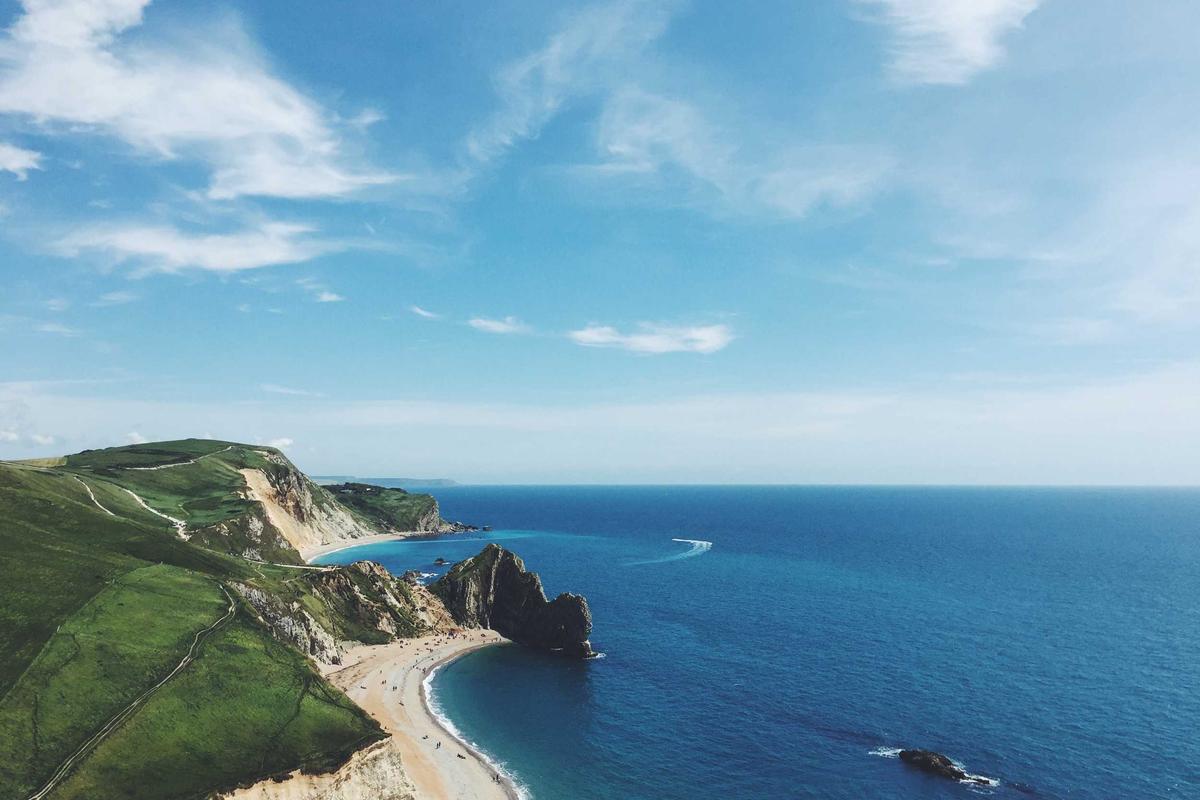
In a development that has sent shivers of sweaty desperation through the upper-middle-class leisure set, the UK Maritime Agency has finally authorised the emergency repatriation of passengers stranded aboard a cruise ship whose air conditioning has thrown in the towel. The vessel, a floating tribute to carbon emissions and questionable buffets, is currently bobbing aimlessly off the coast of Cornwall, its interiors having been transformed into a sauna of misery.
One can only imagine the horror. The horror of having to dab one's brow with a linen napkin while the ice in your gin and tonic melts with the tragic finality of a dying star. The horror of hearing the ceaseless whine of a failing HVAC system, a sound that would make even the most stoic of retirees consider mutiny. These are people who paid good money for the illusion of escape, for the privilege of being hermetically sealed in a climate-controlled bubble as they glided past glaciers and sipped overpriced cocktails. And now that bubble has burst, leaving them exposed to the cruel, indifferent British summer.
But fear not, for the UK Maritime Agency has sprung into action with all the alacrity of a hungover sloth. After days of deliberation, of conferences and sub-committees and probably a spot of lunch, they have authorised the emergency repatriation. Cue a fleet of smaller vessels, perhaps some lifeboats, or maybe just a flotilla of local fishermen with a bit of spare time, to ferry the afflicted to shore. One imagines the scene: a flotilla of dinghies, each carrying a passenger clutching a sun hat and a grievance, their faces set in expressions of middle-class outrage. The agency, in its infinite wisdom, has deemed this a 'humanitarian crisis', which is bureaucratese for 'we've finally realised that people don't like being hot'.
Let us pause to consider the absurdity of this situation. A cruise ship, a marvel of modern engineering designed to withstand tropical storms and rogue waves, is rendered inoperative by a simple failure of atmospheric control. It is like a tank being defeated by a flat tyre. Or a politician being undone by a fact. The ship, for all its size and glory, is a paper tiger, reliant on the delicate machinery of cooling systems. And when that machinery falters, the whole edifice of luxury comes crashing down, revealing the essential vulnerability of the holidaying class.
The passengers, no doubt, are a resilient bunch. They have weathered the storm of lost luggage, the trauma of mediocre entertainment, the existential dread of the all-you-can-eat dessert bar. But this? This is a test too far. To be stranded, not on a desert island, but on a boat that is essentially a floating greenhouse, is a special kind of purgatory. And so they wait, fanning themselves with the daily ship newsletter, dreaming of the moment they will step onto solid ground, into a world with functioning fans and cold beer.
In the end, this is not a story about a broken air conditioner. It is a story about the great human comedy, a farce in which the protagonists are well-heeled individuals who assumed that their money could insulate them from the harsh realities of entropy. But entropy, like the British summer, is an equal-opportunity assailant. It does not care for your balcony suite or your premium drinks package. And so, as the rescue boats approach, let us raise a lukewarm glass to the stranded cruisers. May their repatriation be swift, their compensation generous, and their next holiday to somewhere with a reliable air con.