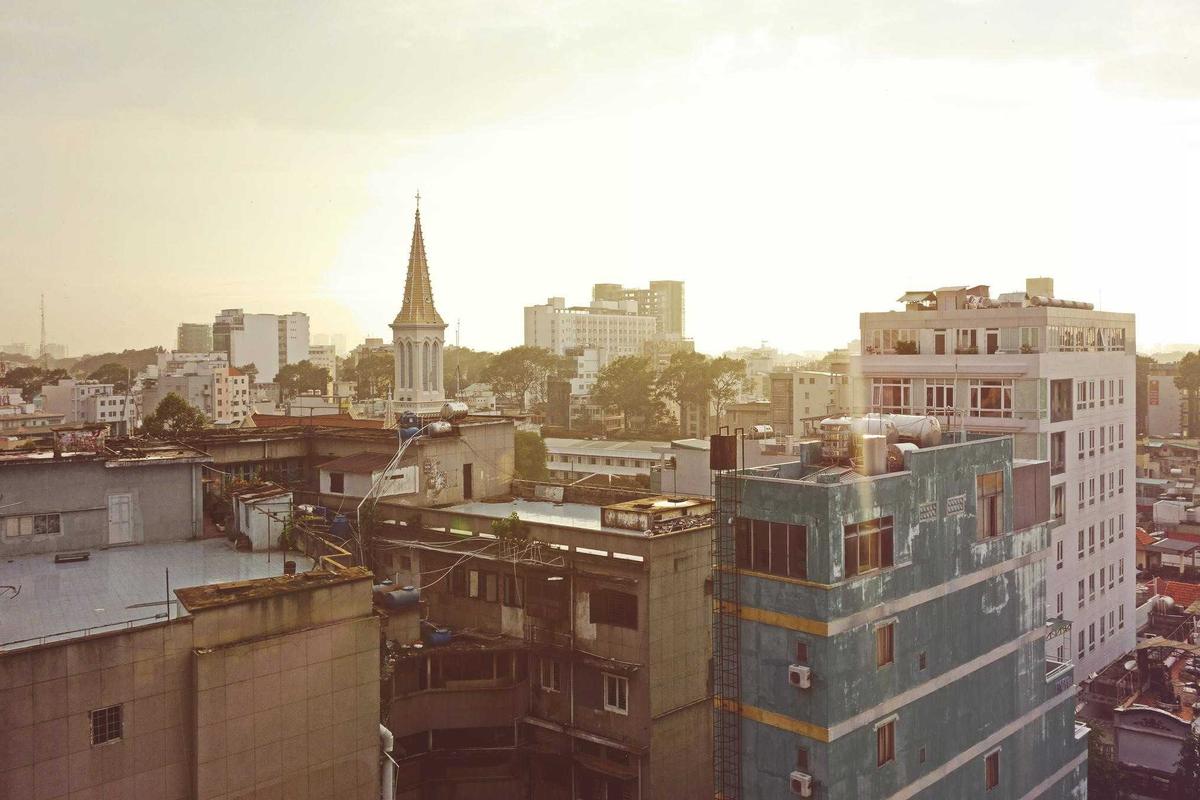
Havana is dark. Not the warm, sepia-toned darkness of a Caribbean evening, but the cold, gridless void of a nation whose energy infrastructure has collapsed. For the past 72 hours, rolling blackouts have plunged millions into a crisis that officials are comparing to the ‘Special Period’ of the 1990s, when the Soviet Union’s collapse starved Cuba of fuel. Then, as now, the island’s ageing oil-fired plants, propped up by subsidised crude from Venezuela, have buckled under the weight of maintenance neglect and fuel shortages.
But this time, the solution may come from an unexpected quarter: British energy firms. Sources in London confirm that at least three major utilities are in advanced negotiations with the Cuban government to secure long-term contracts for grid modernisation. The deal, worth an estimated £2.8 billion, would see the construction of combined-cycle gas turbines and solar farms across the island, a bid to leapfrog the fossil-fuel dependency that has left Cuba vulnerable.
This is not charity. Cuba’s power generation is a mess of Soviet-era boilers and Chinese diesels, running on heavy fuel oil that leaks carcinogenic particulates into the air. The blackouts are a symptom of a deeper pathology: a system operating at 40% capacity due to lack of spare parts and fuel. In the past month, breakdowns at the Antonio Guiteras plant, the country’s largest, triggered three nationwide outages. When the lights go out, hospitals switch to back-up generators, water pumps stop, and food spoils in warehouses. The economic cost is estimated at $200 million per month.
For British firms, the timing is opportune. The Cuban government has signalled a willingness to accept foreign investment in energy, a shift from its historically closed model. The UK’s export credit agency, UK Export Finance, has already approved £500 million in guarantees for infrastructure projects on the island. The logic is clear: Cuba has abundant solar and wind resources, and its grid is a blank slate. A modern, distributed system would reduce dependence on imported fuel and cut emissions by 30% within a decade.
But there are risks. The US embargo remains a legal minefield; any contract involving US dollars or components could trigger sanctions. The political situation is fragile, with economic reforms stalling and a population increasingly restless. Yet the reward for success is a foothold in a market of 11 million people, with potential for replication across the Caribbean.
Physically, the crisis is a stark reminder of how energy underpins civilisation. A grid is not an abstraction; it is a colossal machine of transformers, transmission lines, and generators. When it fails, the loss is not just of light but of refrigeration, communication, and medical care. The blackouts are a slow-motion collapse of the systems that keep society from tipping into chaos.
For the Cuban people, the immediate future is uncertain. The government has rationed power to two hours on, four hours off. In Havana, residents gather in plazas, charging phones from car batteries while listening to radios crackling with official announcements. Some recall the Special Period with dread; others see an opportunity. “We survived before,” a retired engineer told me, “but we were younger. This time, we need help.”
Help may come in the form of British generators and German inverters, but the deeper issue is one of resilience. A nation that depends on a single source of fuel or a single provider of technology is not resilient; it is brittle. Cuba’s blackouts are a warning to every nation that thinks energy security can be bought cheaply. The true cost is paid when the lights go out.