Havana, Cuba – As the island nation grapples with its most severe blackout in decades, thousands of residents in high-rise buildings remain stranded without power, water, or basic services for the fourth consecutive day. The crisis, caused by a combination of ageing infrastructure, fuel shortages, and extreme heat, has left the capital's skyline dark and silent. Dr. Carlotta Mendez, a Cuban energy analyst, described the situation as a slow-moving disaster: 'These towers are essentially vertical prisons without lifts, water pumps, or refrigeration. It is a humanitarian emergency within a systemic grid failure.'
UK energy experts from Imperial College London and the National Grid have been in contact with Cuban officials, offering technical solutions to stabilise the grid in the short and medium term. Professor Alistair Finch, a power systems specialist, explained that the core problem is not just generation capacity but grid fragility. 'Cuba's grid is operating at a fraction of its original design capacity, with losses of up to 30% due to poor maintenance and corrosion. A distributed approach using solar microgrids and battery storage could bypass the weakest links,' he said.
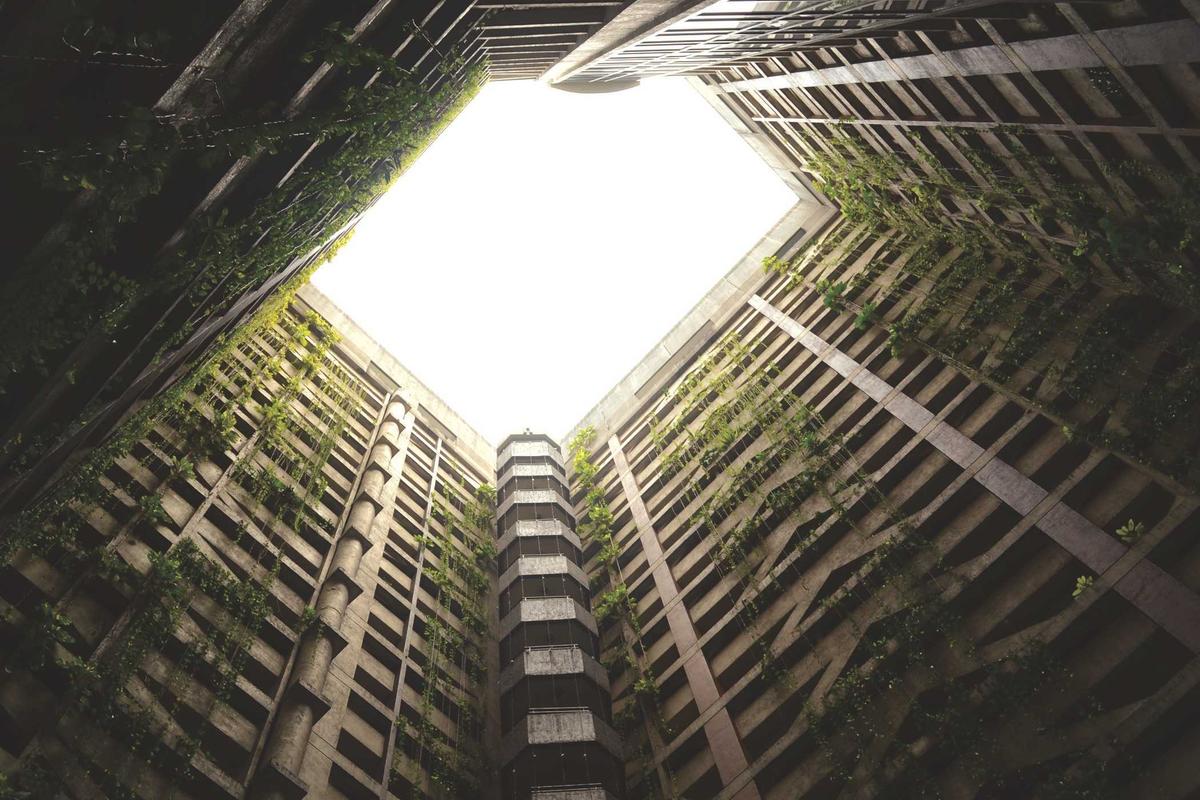
The blackout began after the Antonio Guiteras power plant, the country's largest, unexpectedly shut down on Saturday. This triggered a cascade failure that left 11 million residents without electricity. By Monday, only essential services in hospitals and government buildings had partial power via emergency generators. The high-rise apartment blocks, concentrated in Havana's Vedado district and other central neighbourhoods, are particularly vulnerable. Residents have taken to social media to report elderly people trapped in apartments on upper floors, unable to descend because lifts are inoperative. Water pumps, also electrically dependent, have stopped working, cutting off supply to tanks above the 10th floor.
'It is like being in a concrete oven,' said Maria Torres, a 68-year-old resident of a 22-storey building in Miramar. 'My neighbour, who is 80, hasn't had water since Friday. We are sharing what we have through the balcony.' The heat index in Havana has been above 35°C every day, with no prospect of immediate relief. The Cuban government has rationed fuel for backup generators, prioritising hospitals and food distribution.
The UK experts' proposals include rapid deployment of portable solar units for critical infrastructure, installation of smart meters to manage demand, and a long-term plan to rebuild the transmission network with modern materials. 'Cuba has the advantage of high solar irradiance and a relatively small, isolated grid,' said Dr. Finch. 'With international cooperation, it could become a model for resilient, renewable microgrids in the tropics.' However, the US embargo remains a significant barrier, restricting the import of renewable energy components that contain American technology. Exceptions for humanitarian aid have been proposed but not yet approved.
Meanwhile, the blackout has also disrupted telecommunications, making coordination difficult. The Cuban government has appealed for international assistance through diplomatic channels. The UK Foreign Office has confirmed that it is working with the Cuban Ministry of Energy and Mines to facilitate delivery of technical expertise and equipment.
As night falls over Havana, the city is a patchwork of scattered lanterns and candlelight. The high-rise residents are the most isolated, their vertical communities cut off from the ground. For them, the grid is not just a convenience; it is a lifeline. The window for intervention is narrowing. The planet's warming trends will only amplify such events, as extreme heat stresses ageing infrastructure across the global south. Cuba's crisis is a data point in a larger trend: the intersection of energy poverty, climate change, and brittle systems. The solutions exist. The question is whether they can arrive in time.
Dr. Helena Vance, Science & Climate Correspondent