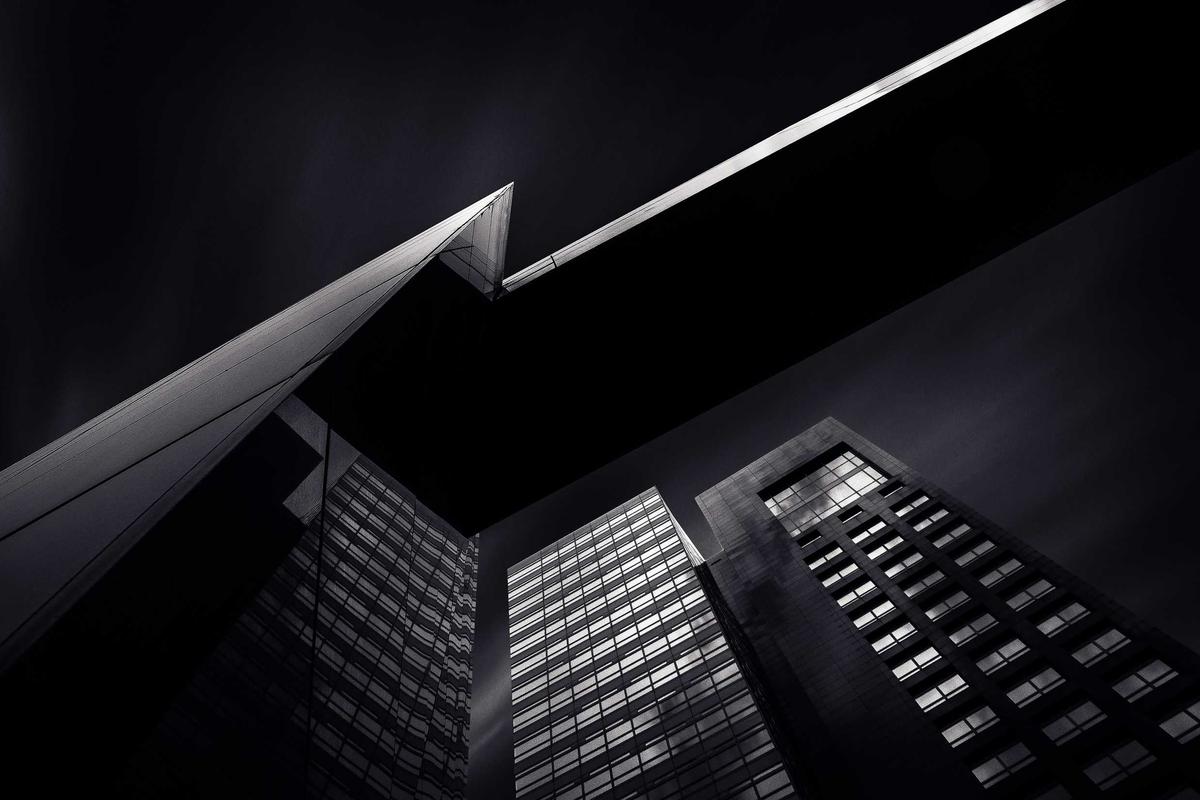
Havana’s skyscrapers went dark this week, their silhouettes vanishing against a starless sky. A cascading failure of Cuba’s ageing electrical grid left millions without power, a stark reminder of what happens when infrastructure meets neglect. But from the gloom emerges an improbable proposal: UK energy firms are offering their grid stabilisation technology, a suite of machine learning and quantum-assisted systems designed to prevent exactly such collapses.
The blackout began with a fault at the Antonio Guiteras thermoelectric plant, the island’s largest. Within hours, a domino effect toppled substations from Pinar del Río to Santiago de Cuba. For a nation already grappling with fuel shortages and embargo-induced isolation, this was a body blow. Hospitals switched to generators. Water pumps fell silent. The internet, already a flickering privilege, guttered out.
Enter the quiet revolutionaries from across the Atlantic. A consortium of British energy startups and the National Grid’s innovation arm have proposed a solution that sounds like science fiction but runs on cold, hard code: digital twin technology. These real-time replicas of the Cuban grid, coupled with reinforcement learning algorithms, can predict faults before they happen. More critically, they can balance supply and demand across multiple isolated microgrids, preventing the cascading failures that plague centralized systems.
“Think of it as a nervous system for the grid,” explains Dr. Elena Rossi, chief technology officer of GridMind, one of the firms involved. “We deploy cheap edge sensors that monitor voltage, frequency, and temperature. The AI looks for patterns a human engineer would miss. When it detects stress, it automatically reroutes power from solar arrays or battery banks. The whole process happens in milliseconds.”
The proposal has geopolitical teeth. Cuba’s government has been wary of foreign interference, but necessity is a powerful diplomat. A source close to the UK’s Foreign Office confirms that the offer is “technology-neutral and donation-based,” with no strings attached. “We are not exporting ideology, just tools,” the source adds. “The Cubans keep full sovereignty over their data and operations.”
Yet the ‘Black Mirror’ shadows are long. Who holds the algorithm’s code? What happens if the AI decides to prioritise tourist zones over residential barrios? And in a nation where surveillance is a living memory, the idea of a foreign-optimised grid feels like a double-edged sword. Vane, your typical ethical tech observer, would ask: “Does stabilisation come at the cost of digital autonomy?”
There is also the technical chasm. Cuba’s grid uses Soviet-era transformers and manual switchgear. Retrofitting digital interfaces requires more than goodwill; it demands hardware, training, and maintenance cycles that the island cannot currently support. UK energy firms propose a hybrid approach: cloud-based analytics combined with ruggedised local controllers that can survive hurricanes and electrical storms.
The pilot, if approved, would start small: a cluster of high-rises in Havana’s Vedado district. Sensors on rooftops and substations, a central AI hub at the University of Havana’s engineering faculty. The goal is to keep lights on for 48 hours straight. If successful, the model could scale nationwide.
But for the millions now seated in darkness, the wait is an agony of candles and radio static. Every minute of blackout deepens the wound. UK tech offers a plausible fix, but it demands trust, transparency, and a leap into a future where code governs current. In Cuba’s long history of crises, this might be the flicker before dawn or the flash that blinds.
For now, the island waits. The engineers confer via encrypted lines. And somewhere in a data centre in Swindon, a digital twin of Havana’s grid hums silently, running simulations that its real-world counterpart can only dream of.