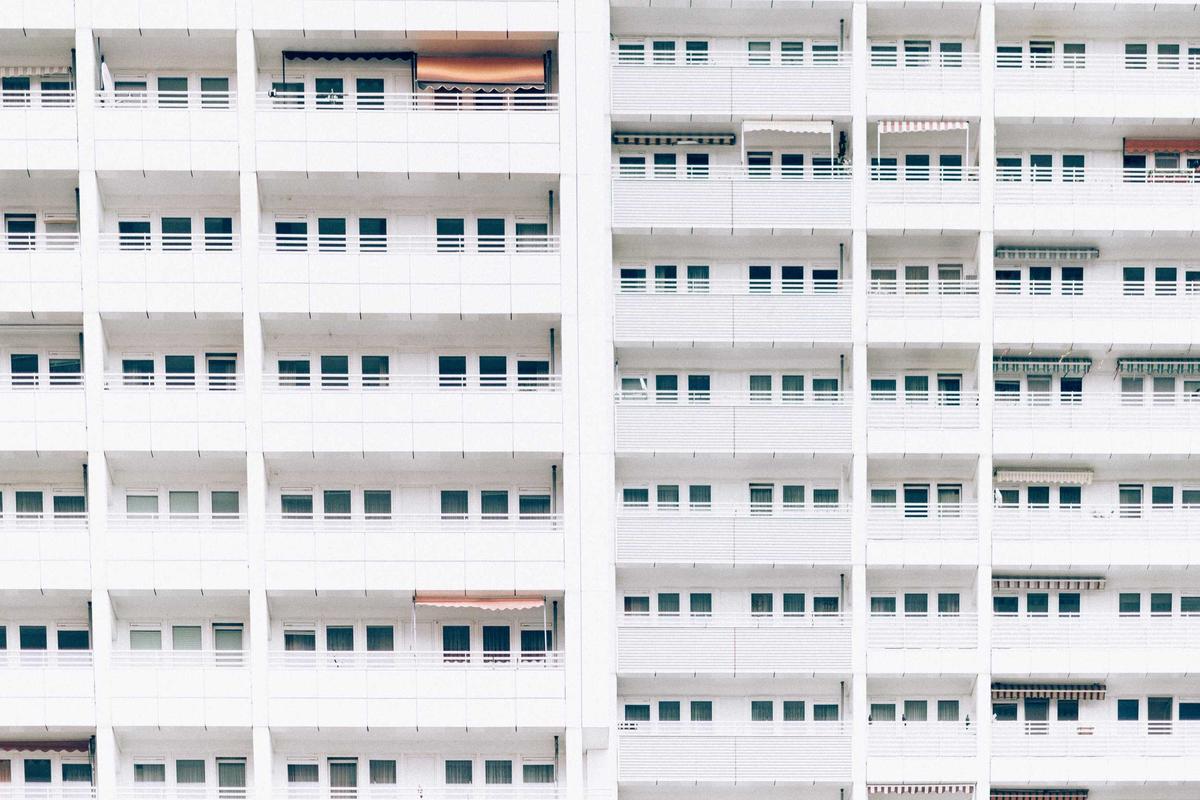
Havana’s skyline is dark, and not just at night. Rolling blackouts have left residents of the island’s towering apartment blocks trapped in a 21st-century dystopia: no lifts, no water pumps, no refrigeration. For those on the 20th floor, the daily scramble for supplies has become a vertical nightmare. The Cuban government, starved of hard currency and locked in a 60-year-old embargo, has turned to an unlikely lifeline: a team of British engineers with a proposal to patch the grid.
Let’s be clear. This is not a story about altruism or colonial nostalgia. It is about market inefficiency meeting state failure. The Cuban electricity system is a relic of Soviet-era planning, propped up by Venezuelan oil subsidies that dried up years ago. The result is a grid with generation capacity roughly equal to that of a medium-sized British county serving a population of 11 million. Blackouts are not a glitch; they are a feature of a system that prices electricity at zero but cannot deliver it.
The British proposal, led by a consortium of energy consultants and former National Grid engineers, is classic Thatcher-era pragmatism: containerised generators, smart metering and load-shedding algorithms. They are offering to supply and install 50 MW of quick-start diesel capacity, financed through a ring-fenced escrow account tied to future nickel revenues. This is not a handout; it is a structured finance deal with a 15% internal rate of return.
But the real story is what this reveals about capital movement. Cuban bonds, which traded at 30 cents on the dollar six months ago, have slumped to 12 cents on rumours that the Brazilian refinery deal has collapsed. The blackouts are accelerating a capital flight that is already measured in mattress-stuffed dollars. Meanwhile, the Cuban government is spending scarce reserves on Chinese solar panels that require American inverters, which are banned under the embargo. The inefficiency is staggering.
For the residents of Havana’s high-rises, none of this matters. They care about whether the water pump works tomorrow. The British engineers promise a 90-day turnaround for critical infrastructure, but they are competing with Cuban bureaucracy, which moves at the speed of a tramp steamer. The real risk is not technical failure; it is that the political class in Havana will see foreign intervention as a threat to their control, and the deal will collapse into a prolonged negotiation over sovereignty.
Let us not romanticise this. British engineering firms are not driven by humanitarian impulses; they smell a liquidity crisis and a chance to secure future contracts for nickel mining and water treatment. The Cuban government, in turn, is using the blackouts as a lever to extract concessions from Washington. The residents are collateral damage in a geopolitical game where the lights go off first for the poor.
What is the bottom line? The Cuban economy is not a socialist paradise. It is a failed state with a balance of payments crisis that makes Greece look solvent. The blackouts are a symptom, not a cause. Until the island adopts any semblance of fiscal responsibility and opens its markets to real competition, the lights will stay off. British engineers can offer bandages, but they cannot cure the underlying disease: a state that has spent half a century building an economy that cannot sustain a lightbulb.
Watch for gilt yields if this deal fails. A default by Cuba would send shockwaves through emerging-market debt, already shaky on US interest rate expectations. The optimists say the blackouts are an opportunity for reform. The cynics, and I count myself among them, know that Havana’s grid reflects its soul: broken, unequal and running on empty.