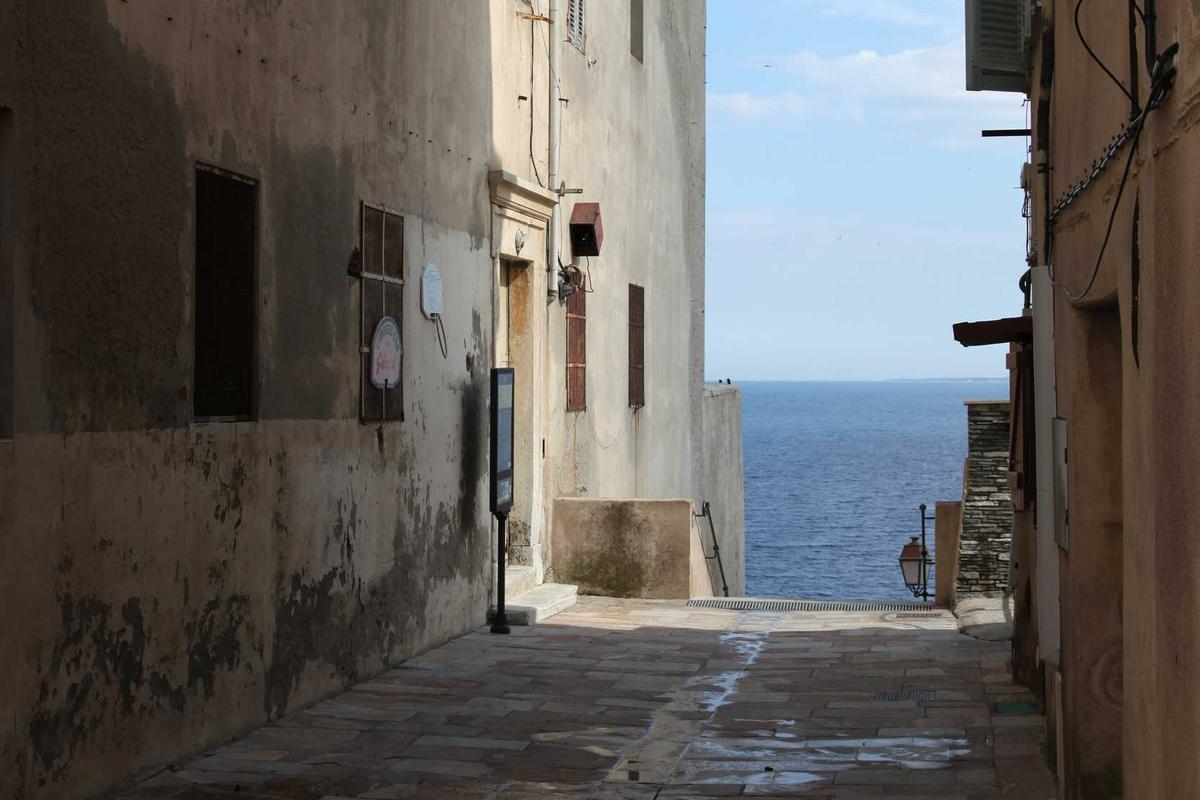
The cascading electrical grid failure that has plunged Cuba into rolling blackouts is not merely an inconvenience for those in high-rise buildings. It is a daily, life-threatening reality. For residents of Havana’s once-grand apartment blocks, elevators become death traps. Water pumps fall silent. Refrigeration fails. In a tropical climate, these are not minor disruptions but systemic hazards that compound over hours and days.
Data from the Cuban Electric Union (UNE) indicates that generation capacity has fallen to below 60% of peak demand, a result of aging thermoelectric plants, fuel shortages, and a crumbling transmission infrastructure. The island's reliance on imported oil from Venezuela, which has declined by 40% since 2019, has left the grid hyper-sensitive to even minor supply fluctuations. When a plant trips offline, the entire system buckles, triggering a cascade of automatic load-shedding that can last 6 to 12 hours per cycle.
For those living above the fourth floor without a backup generator, the risk is acute. A 2021 study by the University of Havana documented a 35% increase in emergency calls related to heat exhaustion and cardiovascular stress during blackouts. The elderly and those with chronic conditions are particularly vulnerable. In buildings without functional elevators, paramedics face impossible choices: carry a patient down 15 flights of stairs or wait for power to return.
The British government's trade mission, currently under review, aims to explore opportunities in renewable energy and grid modernization. But the optics are troubling. As one Foreign Office official noted, 'It is difficult to discuss solar farms when people cannot access life-sustaining medical devices.' The Royal Embassy in Havana has already distributed portable solar chargers to high-priority households, but this is a slender intervention against a crisis of such magnitude.
Cuba’s predicament is a stark illustration of the 'energy trap'. Developing nations, constrained by historical debt and trade embargoes, cannot afford the upfront capital for renewables, yet their fossil fuel infrastructure decays faster than they can maintain it. The result is a cycle of blackouts that deepen poverty and reduce economic output, further limiting the capacity to invest in solutions.
British companies like Kepler Energy and GridLink are poised to offer microgrid and storage solutions, but the legal framework remains murky. The 60-year-old U.S. embargo complicates financing, and Cuban state enterprises are often slow to adopt new technologies. The trade mission, led by the Department for International Trade, is now tasked with drafting a memorandum of understanding that could fast-track pilot projects. But diplomats warn that political will must outpace bureaucratic inertia.
For residents, the calculus is simpler. In the Cerro district, a 12-storey building lost power for 18 hours last week. A resident with a 3-year-old asthmatic child described the panic when the nebulizer stopped working. 'We live in a state of suspense,' she said. 'Every time the lights go out, we do a mental inventory: water, medicine, batteries. And we hope the next outage is not the one that changes everything.'
The British review is expected to conclude within the month. The outcome may determine not only the fate of the trade mission but the metrics by which we measure a nation's energy resilience: not in megawatts installed, but in lives sustained.