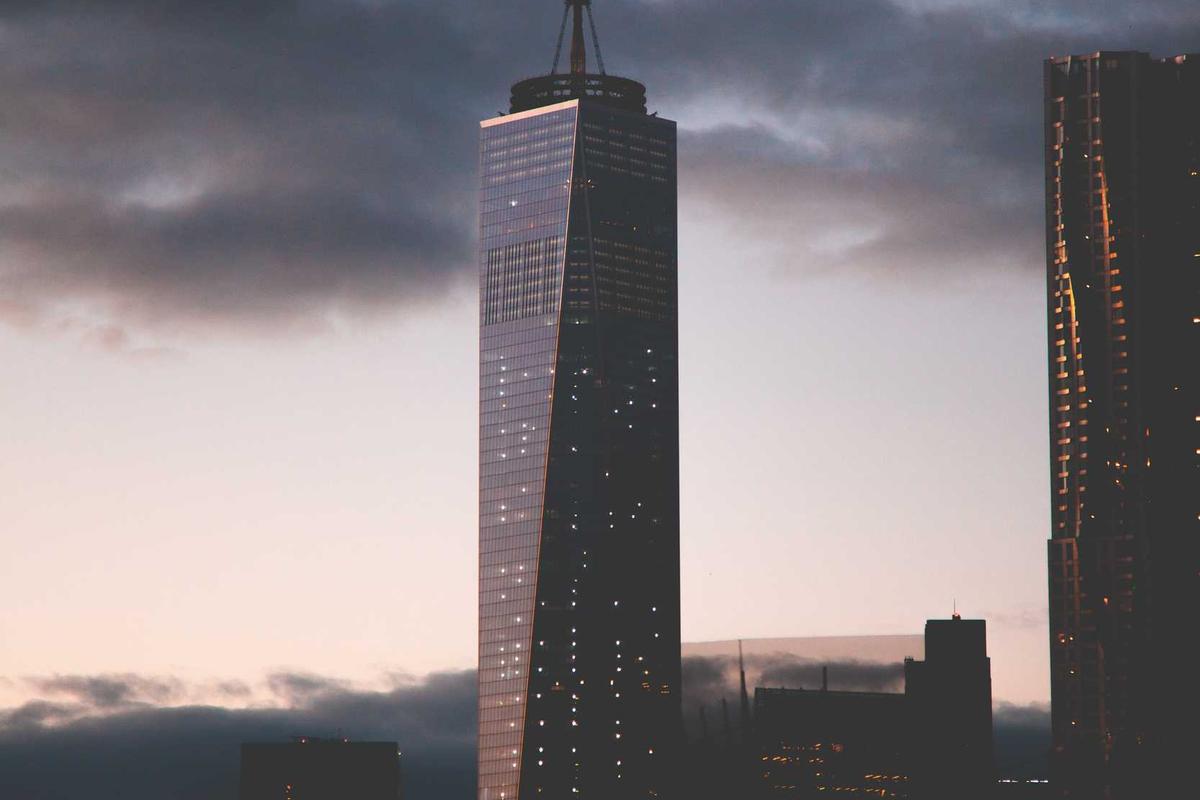
The lights went out across Havana last Tuesday, and for the inhabitants of the FOCSA building, one of Latin America’s tallest residential towers, the darkness has no end in sight. The 39-storey concrete giant now stands as a monument to modern failure: no elevators, no running water, no internet. Residents navigate 120 steps by candlelight, carrying buckets of water from ground-floor pumps. This is not a dystopian film. This is Cuba in 2025.
For weeks, the island has been spiralling into a deep energy crisis. Aging Soviet-era power plants, US sanctions, and a decrepit grid have caused rolling blackouts that now stretch into days. The government calls it a temporary imbalance. For the people trapped in high-rises, it is a permanent limbo. The elderly cannot leave their apartments. Children study by mobile phone flashlights, if the network allows. Every lift is a coffin. Every stairwell, a gauntlet.
Enter the UK Aid Agency. In a rare moment of tangible diplomacy, a convoy of trucks arrived at the foot of the FOCSA building bearing something almost alien: diesel generators. Not the industrial behemoths that power hospitals, but smaller, modular units designed for vertical living. Each unit can supply emergency lighting, charge phones, and run a single lift for four hours. It is not a solution. It is a stopgap. But in a country where stopgaps are now the only infrastructure, it is a lifeline.
I spoke with Maria, a resident on the 28th floor. She told me, “The generator gave us light for the first time in a week. My mother has a heart condition. She cannot climb. The lift, for one hour a day, is her escape.” Maria’s face is etched with exhaustion. She does not care about geopolitics. She only cares about the next hour of power.
This crisis is a stark reminder of something we in the tech world often forget: energy is the ultimate UX. User experience is not about smooth app transitions or frictionless checkout. It is about whether your grandmother can descend 28 floors in an emergency. The blackouts in Cuba are not a hardware failure. They are a system failure. A system designed without redundancy, without resilience, and without the user in mind.
And yet, there is a paradox. Cuba has one of the highest literacy rates in the world. Its people are resourceful, educated, and digitally savvy when given the chance. During the blackouts, neighbours formed stairwell brigades to carry the sick down. They shared phone chargers via car batteries. They built mesh networks from discarded routers. This is innovation born of necessity, but it should not be necessary. The tech industry must ask itself: are we building for abundance or for failure? Are we designing for the connected few or the disconnected many?
The UK aid generators will keep the FOCSA building alive for another month. But what happens when the diesel runs out? What happens when the next hurricane hits? The answer lies not in more machinery but in a fundamental redesign of our energy infrastructure. We need microgrids, solar rooftops, and peer-to-peer energy trading. We need systems that are decentralised, democratic, and resilient. The technology exists. The will does not.
As I stand in the lobby of the FOCSA building, watching a generator hum, I cannot help but think of the Black Mirror episode where people are trapped in a simulated reality, unaware of the collapse outside. Except this is real. The collapse is here, and it is analogue. The digital world is silent without power. The real world is silent without empathy.
For now, the lights are on in a few apartments. The lifts work for an hour. But the clock is ticking. And Cuba’s high-rises remain in limbo, waiting for a system that puts people before politics.