Cuba is grappling with a cascading energy crisis that has left thousands of high-rise residents stranded in the dark, with the UK embassy now offering consular support to Britons trapped in the chaos. The blackouts, which began last week, have escalated into a full-blown infrastructure meltdown, exposing the fragility of the island’s grid and the perilous reality of life in a vertical city without power.
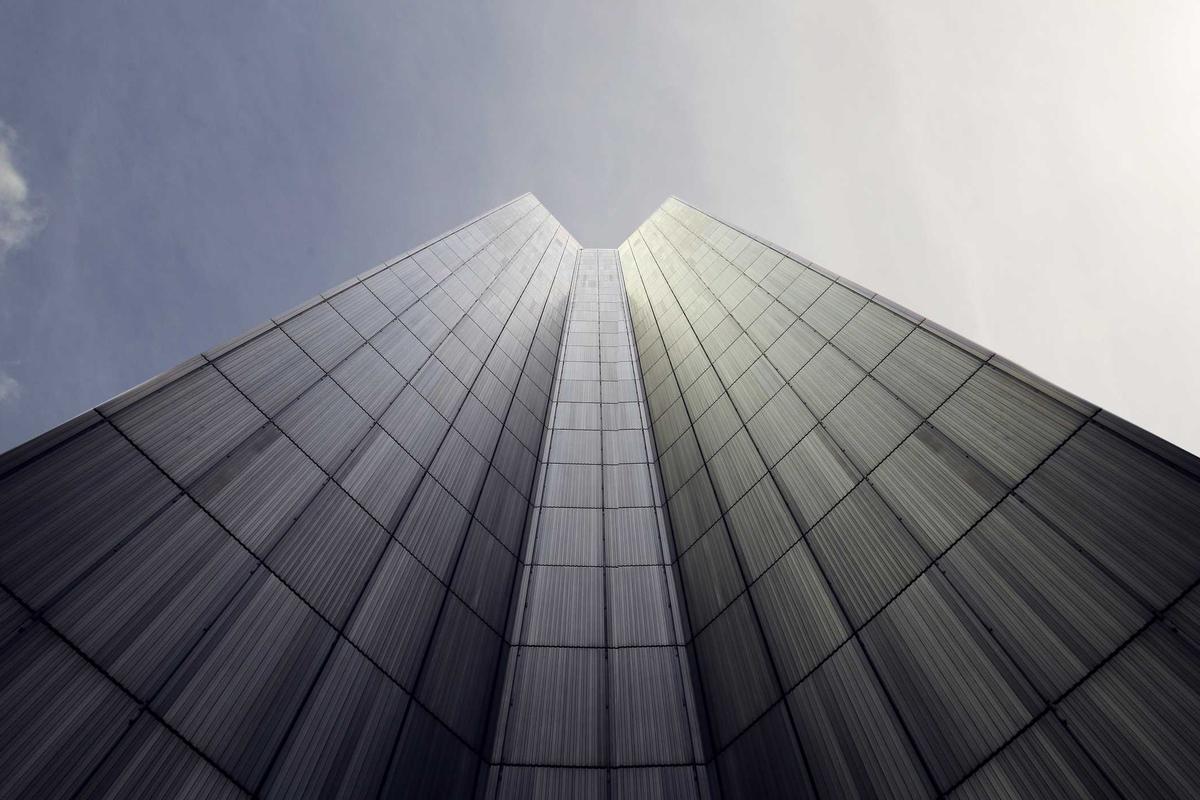
Imagine a 20-storey building in Havana. No lifts. No water pumps. No lights in the stairwells. For elderly residents, those with disabilities, or families with young children, this is not an inconvenience — it is a life-threatening trap. The blackouts have hit at the worst possible time, with temperatures soaring above 30 degrees Celsius. Without air conditioning or fans, indoor heat becomes a health hazard. Reports of heatstroke and dehydration are mounting, and hospitals are struggling to cope with the surge in emergencies.
The root cause is a familiar tale of aged infrastructure and fuel shortages. Cuba’s power plants, many of which were built in the Soviet era, are running on fumes — quite literally. The island relies heavily on imported oil, much of it from Venezuela, but shipments have dwindled amid geopolitical shifts and maintenance failures. The grid is now so unstable that authorities have resorted to rolling blackouts lasting up to 12 hours a day. But the problem is worse for high-rises, where backup generators are rare and those that exist often run out of fuel after a few hours.
For the UK embassy, this is a consular nightmare. The Foreign Office has issued a travel advisory warning against all but essential travel to Cuba, but for the estimated 20,000 British expats and tourists already there, the immediate concern is safety. The embassy has activated its consular support network, offering emergency assistance, advice on evacuation routes, and, where possible, temporary accommodation. But with limited resources and a country in turmoil, the scale of the challenge is immense.
One British resident, a retired teacher living in a penthouse in Vedado, described the situation as ‘terrifying’. “We are prisoners in our own homes,” she told the BBC. “The lift has been dead for three days. I have a heart condition and can’t manage 15 flights of stairs. The embassy gave me a number to call, but what can they really do? Drop a helicopter on the roof?”
Her frustration underscores a broader question: how do you evacuate a city where the exits are vertical? For every high-rise resident who can walk down, there are those who cannot. Fire services are ill-equipped for high-altitude rescues, and the blackouts mean even emergency lighting is patchy. The UK embassy’s consular support is a vital lifeline, but it is a bandage on a systemic wound.
This crisis is a cautionary tale about the risks of hyper-urbanisation without resilient infrastructure. Cuba’s cities, like many across the developing world, have embraced high-rise living as a solution to land scarcity, but they have neglected the power grids, water systems, and backup protocols that make vertical living safe. The blackouts are not just an energy problem — they are a design flaw in the architecture of modern urban life.
For now, the UK embassy is doing what it can. Consular staff are working around the clock to check on vulnerable British nationals, negotiate with local authorities for priority access to fuel, and coordinate with airlines for priority repatriation flights. But this is a temporary fix. The real work — the long, painful process of rebuilding Cuba’s grid — lies ahead.
As I write this, I am reminded of the fragility of our own digital existence. We trust the grid to keep our lights on, our lifts moving, our data flowing. But Cuba’s blackout is a stark reminder that every system is one failure away from collapse. The question is not if, but when and where. And for the residents trapped in those high-rises, the answer is now.