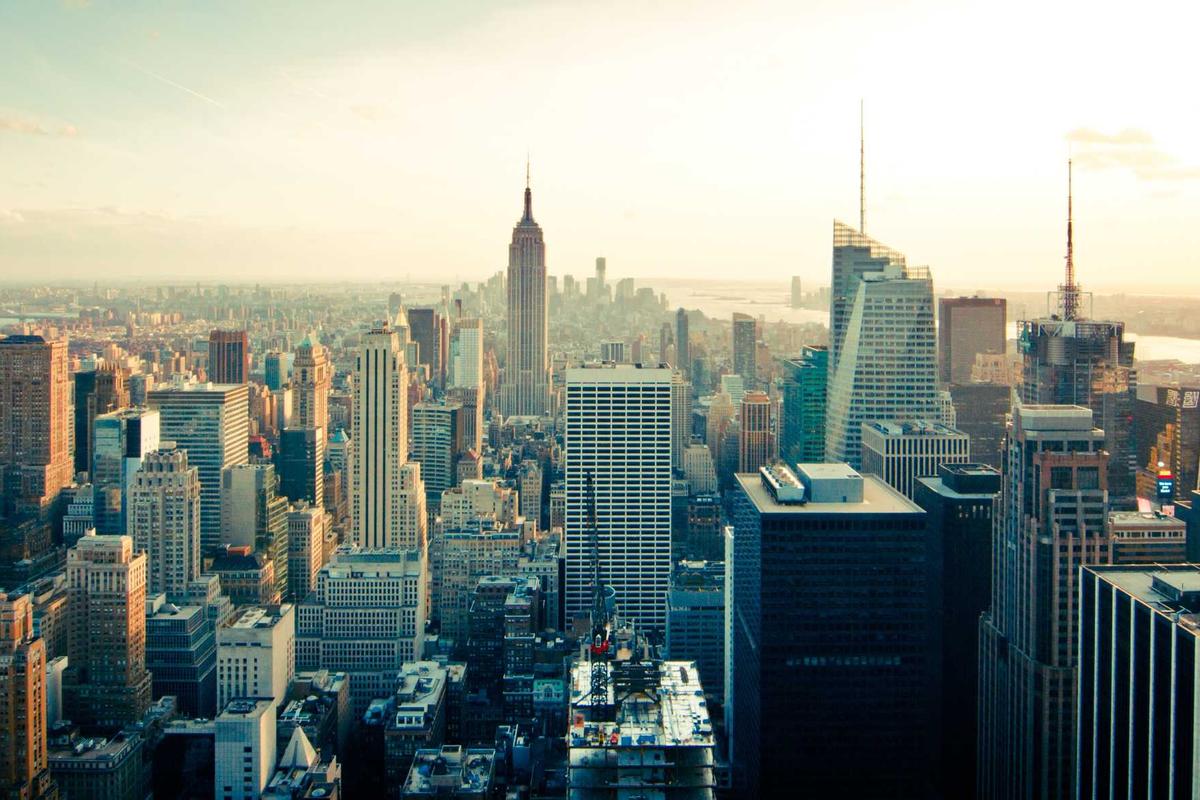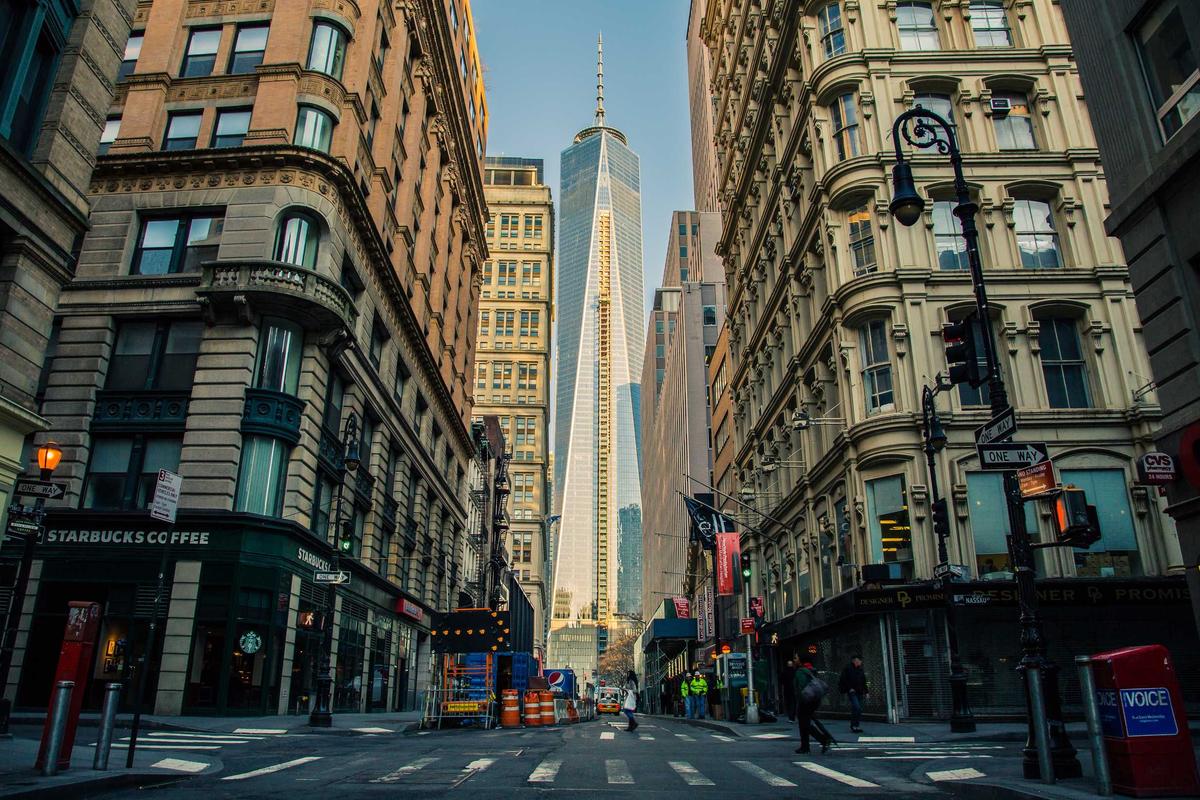
A catastrophic failure of Cuba’s energy grid has plunged Havana into near-total darkness, with skyscrapers, hospitals, and critical infrastructure devoid of power for over 48 hours. The blackout, triggered by the collapse of the island’s antiquated oil-fired power plants, underscores a stark vulnerability in nations that have failed to modernise their energy infrastructure. Meanwhile, the United Kingdom, leveraging a diversified mix of renewables, gas, and nuclear, has weathered similar peak demands without a single major outage.
The Cuban grid, reliant on heavy fuel oil and subject to chronic underinvestment, disintegrated under load on Tuesday evening. Transmission lines overloaded, transformers exploded, and emergency generators at key facilities ran dry. With ambient temperatures exceeding 35°C, the human toll is mounting. Over 10 million people are without refrigeration, clean water pumping, or medical equipment power. The government has resorted to rolling blackouts that last 12 hours or more.
Compare this to the UK’s recent performance. On the tenth of September, a high-pressure system reduced wind generation to below 2 gigawatts and solar to near zero at peak time. Yet the National Energy System Operator managed the situation seamlessly, calling upon CCGT gas plants, interconnectors to France and Norway, and a small amount of pumped hydro. No public supply interruptions occurred.
The difference is a matter of physics and policy. Cuba’s energy density per capita is roughly 0.4 tonnes of oil equivalent. The UK’s is over 2.5. That is not a moral failing but a thermodynamic reality. Dense, reliable energy is the bedrock of a modern economy. When you rely on a single fuel source and fail to maintain it, you invite disaster.
The UK has its own challenges. Grid bottlenecks in Scotland constrain wind power, and biomass emissions accounting is contentious. But the system is managed with a redundancy that Cuba lacks. Every power station has a planned margin, every transmission line has a parallel path. When Cuba’s central power plant at Felton tripped, there was no backup. The cascade was inevitable.
This is not a celebration of the UK’s perfection. It is a warning. As the world electrifies, grid resilience is not optional. It is the single point of failure for everything: water, food, communication, health. Cuba’s blackout is not an isolated event. It is a preview of what happens when a country invests too little in its energy backbone for too long.
There are technical solutions. Microgrids with battery storage can isolate communities. Dynamic line rating can squeeze more capacity out of existing wires. Demand-side response can flatten peaks. But none of these work without a stable base of dispatchable generation. In Cuba, that base is crumbling. In the UK, it is maintained through a mix of market signals and regulatory oversight.
The data are clear. The International Energy Agency ranks the UK fourth globally for grid reliability, with a 99.9% uptime. Cuba ranks near the bottom of the Caribbean region. When the lights go out in Havana, it is not because of bad luck. It is because of cumulative systemic neglect.
We should view this event with calm urgency. The UK’s relative success is no cause for complacency. But it does illustrate a fundamental principle: that a society’s survival depends on its ability to convert energy into order. Cuba is learning this lesson in the dark. The rest of the world should take note.