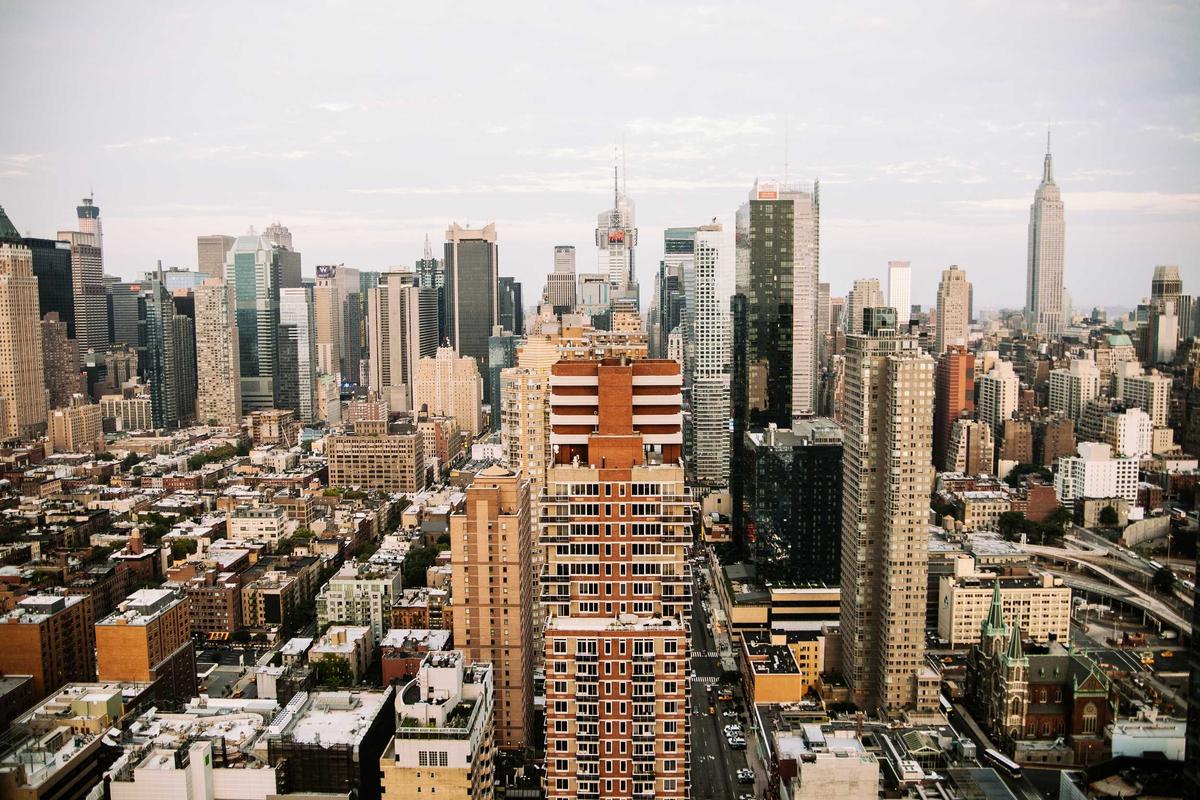
The ongoing power crisis in Cuba has escalated into a strategic vulnerability, trapping high-rise residents in a perpetual state of emergency. This is not a mere infrastructural failure; it is a systemic collapse weaponised by a regime that prioritises control over survival. The blackouts, which now last upwards of 12 hours daily, have transformed Havana’s skyline into a vertical prison. For those in tower blocks, elevators cease to function, water pumps fail, and critical medical devices become inert. This is a threat vector that destabilises the very fabric of civilian resilience.
The logistical reality is stark. Cuba’s antiquated power grid, reliant on Soviet-era generators and imported fuel, cannot sustain baseline demand. The regime’s response has been to implement rolling blackouts, a tactic that reveals a deeper failure: the inability to secure energy independence. As a strategic pivot, the United States has historically maintained sanctions that restrict fuel imports, but the Cubans’ own mismanagement—corruption, deferred maintenance, and technological stagnation—has accelerated the crisis. What we are witnessing is a self-inflicted wound, but one that creates opportunities for hostile actors. Russia and China, eyeing influence in the Caribbean, could leverage energy aid to deepen their foothold. This is a chess move waiting to happen.
For the residents, the blackouts are a daily battle. High-rise dwellers face the physical toll of climbing dozens of flights of stairs, the psychological strain of isolation, and the health risks of spoiled food and untreated conditions. The regime’s propaganda machine blames external forces, but this is a failure of governance. Intelligence indicates that Cuba’s military retains priority access to fuel, while civilians suffer. This is a classic authoritarian calculus: sacrifice the populace to preserve the state apparatus.
From a military readiness perspective, Cuba’s energy collapse degrades its own defensive capabilities. Radar installations, communications networks, and coastal surveillance all depend on a stable power supply. If the grid fails, so does the regime’s ability to monitor U.S. airspace and maritime approaches. This is a strategic blind spot that could be exploited. The Pentagon likely has contingency plans for a humanitarian crisis that spirals into a security vacuum. The key question is whether Cuba’s collapse becomes a prelude to a larger proxy contest.
This crisis also highlights a broader intelligence failure. For decades, Western agencies underestimated the fragility of Cuba’s infrastructure. The blackouts are not an anomaly; they are the inevitable outcome of a system built on ideological dogma rather than engineering reality. The lesson for NATO and allied forces is clear: energy dependency is a vulnerability as dangerous as any missile battery.
The human cost is rising. Reports of heatstroke, fires from faulty generators, and the agony of families trapped in darkness are mounting. This is not a story of resilience; it is a story of endurance under a siege imposed by their own government. The international community must recognise that Cuba’s blackouts are a symptom of a regime that has lost the mandate to provide for its people. The window for intervention, whether humanitarian or strategic, is narrowing.
As the power cuts deepen, the regime’s grip weakens. The blackouts are a crisis accelerator, and the ripple effects will be felt across the region. This is a threat vector that demands attention not just from humanitarians, but from defence planners. The siege of Cuba has begun, and the besiegers are its own leaders.