The prolonged blackouts gripping Cuba have escalated into a humanitarian crisis, particularly for residents of high-rise buildings in Havana. With no end in sight, the situation underscores the fragility of ageing energy infrastructure and the cascading impacts of fuel shortages. As a science correspondent, I must emphasise the physical reality of this event: the absence of power in a tropical climate amplifies risks of heatstroke, dehydration, and food spoilage. The uncertainty is not merely psychological; it is a thermodynamic fact.
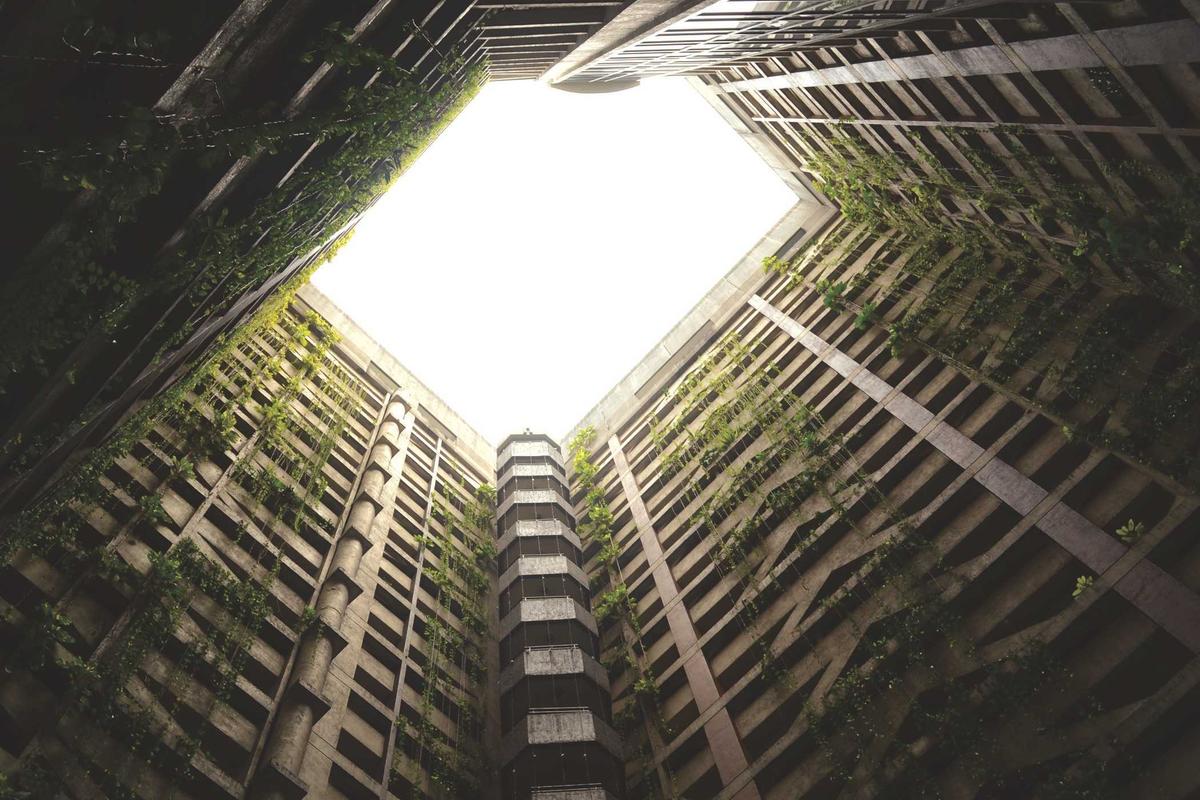
Cuba’s electrical grid, already strained by decades of underinvestment and US sanctions, collapsed entirely on Friday, plunging the nation of 11 million into darkness. Hospitals rely on backup generators, but fuel for these is running low. High-rise buildings, common in central Havana, become vertical prisons without lifts, pumps, and ventilation. The elderly and disabled are trapped on upper floors, dependent on neighbours for water and food. One resident on the 15th floor reported spending 18 hours a day climbing stairs, a survival routine that mirrors the 'vertical isolation' observed during Hurricane Maria in Puerto Rico.
The British government, in a move that has sparked both gratitude and ridicule, offered energy-saving advice via its embassy in Havana. The guidance includes 'unplug appliances when not in use' and 'use natural light.' This is akin to recommending a raincoat during a tsunami. The physics of the situation demands diesel and solar panels, not lifestyle tips. The UK’s offer of technical assistance for grid repair is more substantive, but implementation is slowed by the geopolitical blockade.
From a climatological perspective, Cuba’s blackouts are a microcosm of a wider crisis. Tropical nations, despite low per-capita emissions, face the harshest consequences of climate change: stronger hurricanes, longer droughts, and rising seas. Cuba’s reliance on imported oil for 50% of its electricity makes it vulnerable to price shocks. The transition to renewables, though planned, is stalled by capital scarcity. Solar farms require inverters that are on the US embargo list.
What keeps me awake at night is the feedback loop. Blackouts halt water purification, leading to cholera outbreaks. Hospitals lose refrigeration for vaccines. Economy grinds to a halt. This is not a 'staged photo op' but a collapse of essential systems. Until we treat energy access as a human right, not a political bargaining chip, these crises will recur with increasing frequency. The UK advice, however well-meaning, misses the point. The question is not how to save electricity in a blackout, but how to restore it.
For now, Havana’s residents wait. They are not passive victims; community networks distribute food and check on the vulnerable. But resilience has limits. The data are clear: without rapid investment in renewable microgrids and battery storage, the Caribbean will face more summers of darkness. The blackouts in Cuba are a warning light for the world. It is flickering red.