The lights are going out across Havana, and this time it is not a temporary inconvenience. For the residents of the city’s high-rise blocks, the daily blackouts have become a prison. The Castro regime, long sustained by Venezuelan oil subsidies and Soviet-era planning, is now facing its most acute crisis since the Special Period.
The economic fundamentals have turned decisively against the government. Inflation is running at an estimated 70% according to independent economists, the peso has collapsed on the black market, and capital flight is accelerating as those with means scramble to convert their savings into hard currency. The government's response has been to double down on controls.
But price caps only lead to empty shelves. The blackouts are a symptom of a deeper malaise. Cuba’s energy infrastructure, starved of investment for decades, cannot keep up with even reduced demand.
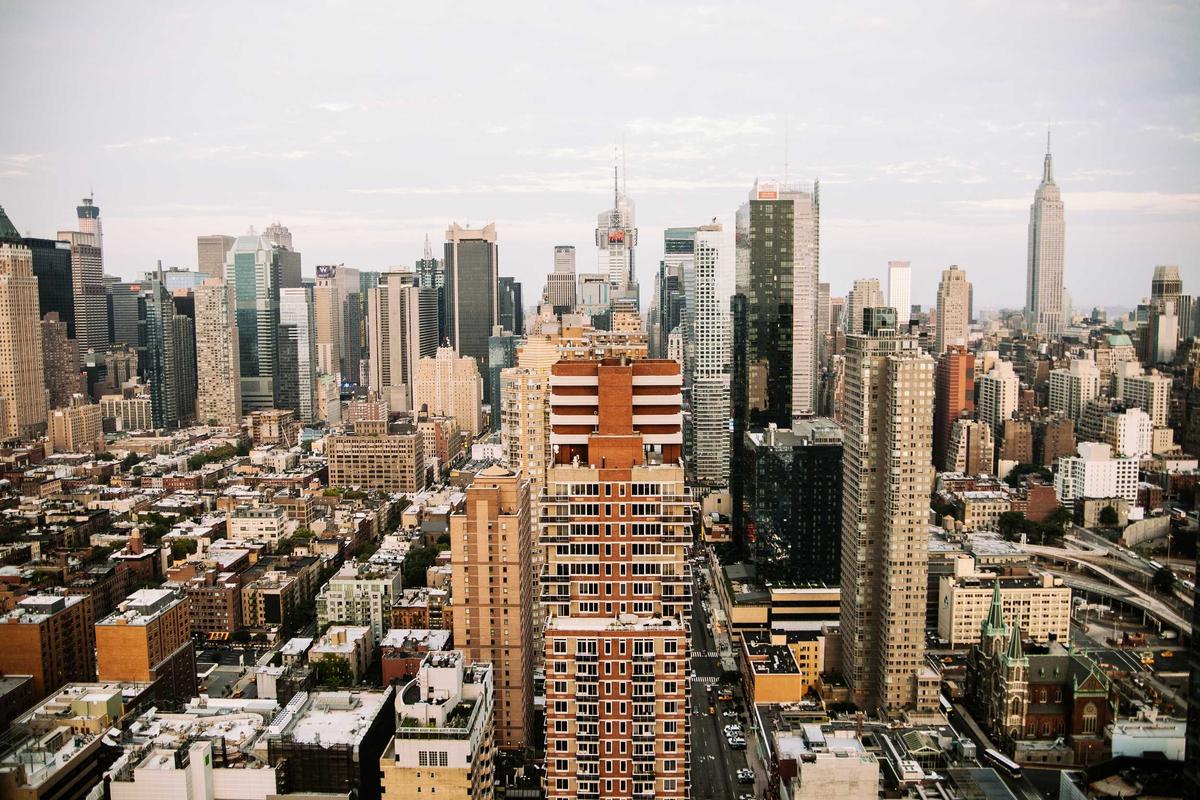
The reliance on expensive imported oil from Venezuela, itself in crisis, has left the island exposed. The result is a rolling blackout regime that traps residents in their apartments. For those in high-rise blocks, the lack of electricity means no lifts, no refrigeration, and no water pumps.
The constant uncertainty has driven a surge in emigration. The US Treasury estimates that remittances are now a lifeline for millions, but even that flow is under threat as the Biden administration tightens sanctions. The market is pricing in a disorderly transition.
The Cuban peso trades at 120 to the dollar on the street, a discount of over 95% to the official rate. That is a vote of no confidence. The regime is running out of options.
It cannot borrow from international markets, it cannot print money without stoking hyperinflation, and it cannot rely on friendly allies. The Chinese have shown little appetite for underwriting a failed state. The Russians are focused on Ukraine.
The blackouts are a tangible sign of a regime in decline. For the residents trapped in those high-rises, every day without power is a reminder that the system has failed. The question is how much longer it can hold together.