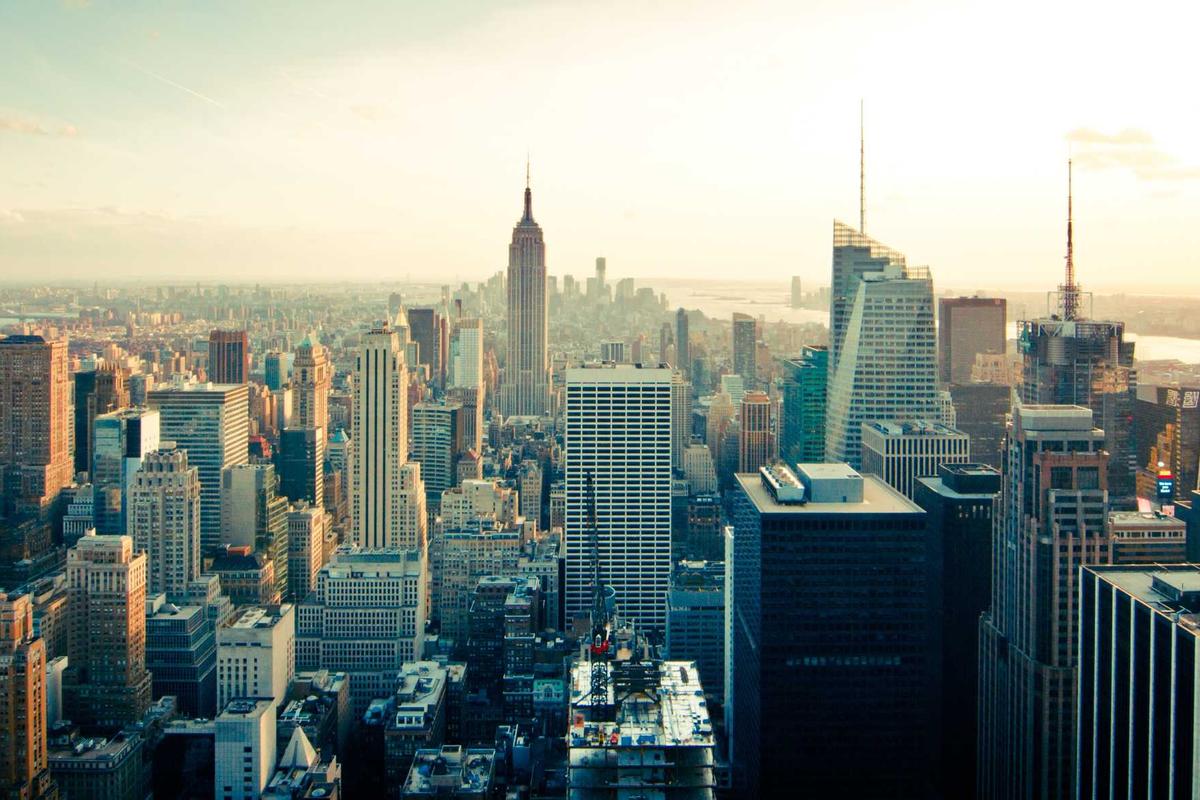
The Caribbean’s oldest skyscrapers are plunging into darkness with alarming frequency. Cuba’s crumbling Soviet-era power grid, strained by fuel shortages and ageing infrastructure, has triggered rolling blackouts that now extend into the high-rise districts of Havana. The island’s energy crisis, long simmering, has reached a critical inflection point. With British engineering firms now being courted for emergency intervention, the question is not whether the grid can be fixed, but whether decades of deferred maintenance can be reversed in time to prevent a humanitarian catastrophe.
The numbers paint a stark picture. Cuba’s electricity generation capacity has fallen to roughly 55% of its 2019 peak, according to official data. The nation’s thermal plants, some operating since the 1970s, have an average availability factor below 40%. This is not a resource curse or a geopolitical gambit. This is physics. When demand exceeds supply, voltage collapses. When voltage collapses, transformers fail. When transformers fail, recovery takes days. This is the cascade effect now paralysing Havana’s 25 high-rise residential towers, where elevators stall, water pumps cease, and medical devices lose power.
The irony is palpable. Cuba’s energy poverty contrasts sharply with its high human development indices. The island has near-universal literacy and a life expectancy comparable to many European nations. Yet its urban population now faces a 19th-century reality: life without reliable electricity. The recent agreement with British energy consultants, reported by Reuters, signals a potential lifeline. The UK’s expertise in decentralised solar microgrids and grid stabilisation algorithms could help circumvent the fuel dependency that cripples Cuba’s current system.
But technology alone cannot solve a systemic breakdown. Cuba’s energy infrastructure is not merely old; it is fundamentally mismatched to its modern load profile. The grid was designed for industrial agriculture and state-run factories, not air conditioners, computers, and medical refrigeration. The blackouts are not random. They are predictable consequences of a system operating beyond its design parameters. The British engineers will face a sobering reality: retrofitting a mid-20th century grid for 21st-century demand is akin to patching a sieve with duct tape while the ship is sinking.
There is, however, a scientific precedent for hope. The concept of ‘load shedding’ is not inherently destructive. Managed correctly, it can prevent total collapse. The British team’s likely first step will be to install smart meters and demand-response systems that allow utilities to prioritise critical infrastructure: hospitals, water treatment plants, and emergency services. Second, they will likely push for rapid deployment of solar-plus-storage microgrids in high-rise clusters. Each tower can become a self-contained power island, isolated from the main grid when it fails.
Yet the deepest challenge is not technical. It is economic. Cuba cannot afford the capital costs of a full grid overhaul. The British expertise, if provided at concessional rates, may alleviate the immediate crisis. But without parallel investment in energy efficiency, the same demand will overwhelm any new generation. The solution must be threefold: efficiency retrofits for buildings, diversification of generation sources, and a regulatory framework that encourages private investment without undermining state control.
The global energy transition is often framed as a choice between fossil fuels and renewables. Cuba’s crisis exposes a more fundamental truth. Energy is not a commodity. It is the bloodstream of civilisation. When the power fails in Havana’s high-rises, it is not an inconvenience. It is a failure of physics, planning, and political will. The British engineers may be the last best hope to stabilise a system on the verge of irreversible collapse. But the true intervention must be structural, not just technical. The clock is ticking. The lights are off.